


 Tesla Cybercab Launch Puts Robotaxi Ambitions in Focus
  Microsoft to Reveal Azure Revenue in Major Reporting Shake-Up
  Thomson Reuters C-Track Cyberattack Hits Courts Across U.S. and Canada
  US Tech Giants’ AI Bond Boom Raises Euro Zone Borrowing Risks
  Shein Shares Drop 5% After Weak Hong Kong IPO Debut
  OpenAI Rejects Apple Trade Secret Theft Claims
  Volkswagen Approves 50,000 More Job Cuts in Major Restructuring
  Lynas Rare Earths Shares Rise After Takeover Talks Revealed
  CATL Shares Fall as Hungary Plant Faces Safety Halt
  ByteDance Secures $29.6 Billion Loan to Boost AI Investment
  Adobe Names Anil Chakravarthy CEO as AI Push Accelerates
  South Korea, US Discuss Chip Investments Amid Tariff Plans
  Qantas Near-Miss Raises Sydney Air Traffic Controller Fatigue Concerns
  Nvidia Eyes $2.5 Billion Investment in Thinking Machines Lab
  Berkshire Hathaway Eyes Bigger Stakes in Japan’s Top Trading Houses
  Honda Targets $9.4 Billion in Cost Cuts as China EV Competition Intensifies
  MediaTek Shares Jump 10% on Nvidia’s $3.5 Billion Investment


 Add as a preferred source on Google
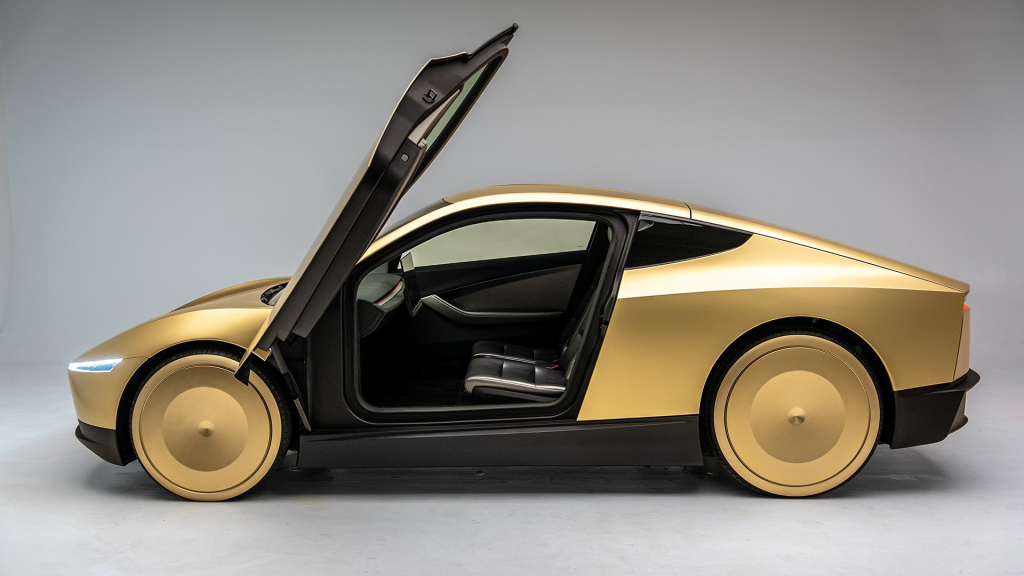
Tesla has begun offering rides in its steering-wheel-free Cybercab in limited areas of Austin, Texas, as U.S. safety regulators evaluate the electric vehicle maker’s latest expansion into autonomous transportation.
Tesla promoted Thursday’s Cybercab event as a major step toward CEO Elon Musk’s goal of building a large-scale robotaxi network. The two-seat autonomous vehicle has no steering wheel or pedals and is designed specifically for unsupervised full self-driving.
The National Highway Traffic Safety Administration (NHTSA) said it was in contact with Tesla and reviewing the situation. Federal vehicle safety standards generally require traditional human controls, creating regulatory challenges for widespread Cybercab deployment.
Tesla updated its robotaxi website to confirm Cybercab rides are available in selected Austin locations. The company has not announced when passengers will begin paying fares. Executives said Tesla eventually plans to introduce dynamic pricing while offering what they described as a premium experience at affordable prices.
Tesla AI chief Ashok Elluswamy said Cybercab rides were open to the general public. Investors and Tesla enthusiasts attending the Austin event posted videos showing the vehicles and their autonomous rides.
Tesla already operates a limited robotaxi service using autonomous Model Y vehicles, some equipped with human safety monitors. The company intends to eventually make Cybercab the primary vehicle in its broader driverless ride-hailing network.
Production of the Cybercab began in April 2026, although Musk previously warned that output would initially be very slow. He has said the vehicle could eventually become Tesla’s highest-volume model.
Tesla’s robotaxi ambitions remain a major part of its long-term growth story as its core electric vehicle business faces stronger global competition, particularly from Chinese automakers.
Regulatory barriers could slow expansion. California, for example, has not granted Tesla permits to operate a fully driverless robotaxi service without a safety driver.
Texas records showed Tesla had 420 registered autonomous vehicles as of Wednesday evening, including 45 Cybercabs. Rival Waymo had 988 registered vehicles in the state, highlighting the gap Tesla still faces as it seeks to become a leading player in autonomous ride-hailing.







