


 Google Changes EU Spam Policy Amid Antitrust Scrutiny
  Japan Firms Ramp Up Yen Hedging as Currency Weakness Persists
  Nvidia Pauses AI Cloud Financing Deals Amid Antitrust Concerns
  U.S. Probes Apex Logistics Over Nvidia AI Chip Shipments to China
  Itochu Offers $1.56 Billion to Privatize Dentsu Soken
  Mercer International Stock Surges 45% on C$20 Million Canada Funding
  US Stock Futures Flat as Nvidia Rally Fades, Fed Speech in Focus
  Canadian Dollar Slides as Fed Rate Hike Bets Boost US Dollar
  Trump Administration Plans New Drug Pricing Deals With Biotech Firms
  Amazon Secures 200 MW Wind Power Deals in Sweden
  Asian Currencies Mixed as Dollar Holds Firm Ahead of Jackson Hole
  Meta Agrees to $18 Billion Settlement, Tightens Teen Social Media Rules
  German Industry Pushes Merz for Tougher China Trade Policy
  SoftBank Plans Record $6.3 Billion Bond Sale to Fund OpenAI Investments
  PayPal Shares Sink as $50 Billion Takeover Bid Collapses
  Oil Prices Slip as Venezuela Supply Prospects Weigh on Market


 Add as a preferred source on Google
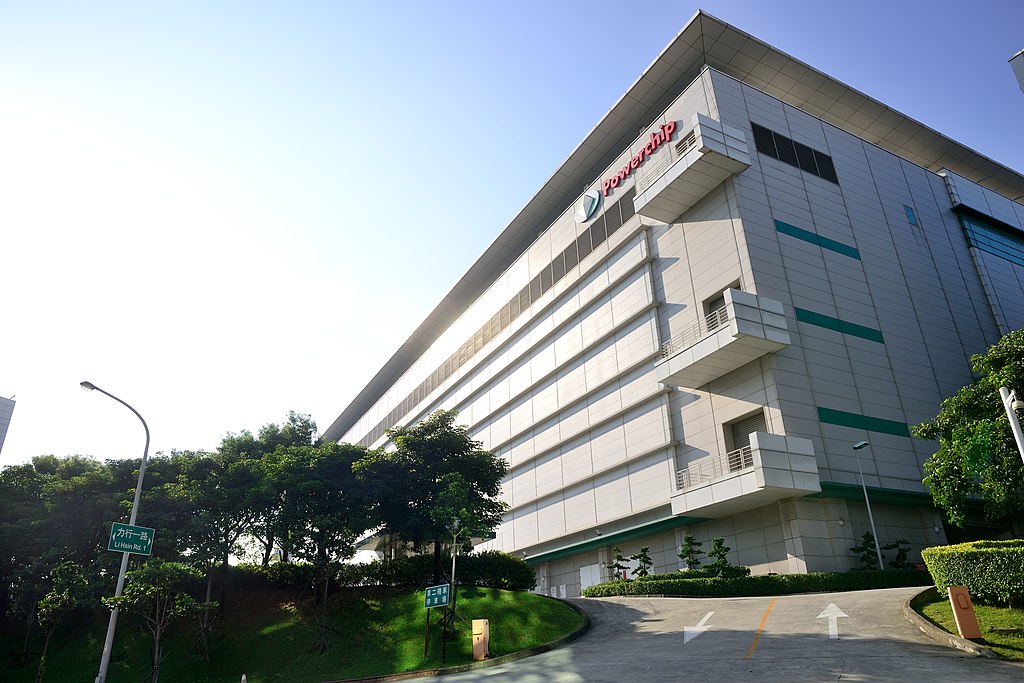
Taiwan’s Powerchip Technology once saw its partnership with Hefei in 2015 as a gateway to China’s market. However, its former joint venture, Nexchip, has now become a formidable rival in the legacy chip sector. With Beijing pushing for chip localization, Powerchip was forced to abandon its lucrative business of supplying integrated circuits for Chinese display panels.
China’s chip foundries, including Nexchip, SMIC, and Hua Hong, are aggressively expanding in the $56.3 billion mature-node chip industry. These companies, backed by strong government funding, are undercutting Taiwanese competitors like UMC and Vanguard International with steep discounts. Taiwan’s chipmakers are now shifting focus to advanced and specialty processes to maintain competitiveness.
Frank Huang, chairman of Powerchip, emphasized the urgency of transformation to withstand price wars with Chinese firms. UMC acknowledged industry challenges and is partnering with Intel to develop advanced chips. Meanwhile, Washington's trade policies could slightly ease Taiwan’s struggles, as global companies look to shift supply chains away from China. However, former U.S. President Donald Trump’s proposal for 100% tariffs on foreign-made chips could further shake the market.
China’s aggressive production expansion is reshaping global chip manufacturing. In 2024, China held 34% of mature-node capacity, compared to Taiwan’s 43%, but projections indicate China will surpass Taiwan by 2027. Chinese companies, including China Mobile and China Telecom, are also enforcing stricter local component use, further pressuring Taiwan’s chip industry.
To adapt, Taiwanese firms are prioritizing high-tech processes like 3D stacking and reducing reliance on display driver and sensor chips. While Powerchip retains a 19% stake in Nexchip, it no longer plays an active management role. With rising geopolitical tensions, Taiwanese chipmakers are increasingly receiving orders from customers seeking non-China manufacturing, a trend expected to accelerate.







