


 Qualcomm Stock Surges Despite Weak Guidance After Q2 2026 Earnings Beat
  China’s Ultra-Cheap EV Boom: Why Electric Cars Cost Far Less Than in the U.S.
  China Manufacturing PMI Beats Forecasts in April Amid Weak Domestic Demand
  T-Mobile Beats Q1 Earnings Expectations on Strong Postpaid Growth
  Coles Group Q3 Sales Rise Driven by Supermarkets and E-Commerce Growth
  US Stock Futures Mixed as Fed Holds Rates, Oil Prices Surge, and Big Tech Earnings Drive Market Moves
  Starbucks Raises 2026 Outlook as Turnaround Strategy Boosts Sales and Earnings
  Asian Stock Markets Rise Amid Wall Street Rally and U.S.-Iran Tensions
  Tokyo Inflation Slows Despite Energy Pressures and BOJ Policy Outlook
  AstraZeneca Q1 2026 Earnings Surge on Strong Oncology and Rare Disease Drug Sales
  Asian Stocks Slip as Oil Prices Surge and Fed Signals Inflation Risks
  Trump Urges Iran to Sign Nuclear Deal Amid Ongoing Conflict and Port Blockade
  Oil Prices Surge Amid U.S.-Iran Tensions and Supply Disruption Fears
  Ford Q1 Earnings Beat Expectations, Stock Surges on Strong Guidance
  Amazon Stock Dips Despite Record Earnings as AI Infrastructure Spending Surges
  Oil Prices Rise Amid Iran Conflict and Strait of Hormuz Disruption
  Robinhood Q1 Earnings Miss Expectations, Stock Drops After Hours


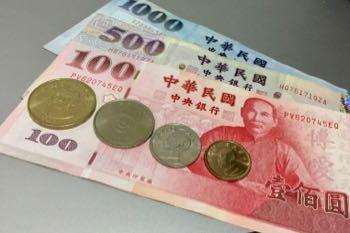
Taiwan insists it never sought to use foreign exchange rates to gain an unfair trade advantage and suggested that the US suspend the three criteria for judging manipulation during the pandemic.
The US Treasury Department said Taiwan met thresholds for possible currency manipulation under a 2015 US trade law but refrained from formally labeling it, along with Switzerland and Vietnam, as manipulators, due to insufficient evidence under a separate law.
According to Taiwan's central bank, because of the special circumstances during the COVID-19 pandemic and the US-China trade dispute, the US should not use three inspection standards to assess the economic, trade, and exchange rate policies of its trading counterparts.
Those thresholds are a global current account surplus exceeding 2 percent of GDP, foreign currency intervention exceeding 2 percent of gross domestic product, and over $20 billion bilateral trade surplus with the US.
Taiwan's central bank told the US its exchange rate policy was never intended for gaining unfair trade advantages but for maintaining an orderly foreign exchange market and financial stability. It added that most foreign exchange transactions have "little relevance" to the import and export situation and that it is the frequent movement of international funds that mainly triggers exchange rate fluctuations.
Soaring global demand for laptops, tablets and other equipment to support the work-from-home boom during the COVID-19 pandemic drove Taiwan's trade surplus with the US and boosted the value of the Taiwan dollar.
The China-US trade war also increased US demand for Taiwanese technology.







