


 Trump Votes by Mail Despite Calling It "Cheating" as Democrat Wins Mar-a-Lago District
  Denmark Election 2025: Social Democrats Suffer Historic Losses Amid Migration and Cost-of-Living Tensions
  Japan's Private Sector Growth Slows in March Amid Rising Costs and Middle East Uncertainty
  Trump Seeks Quick End to U.S.-Iran Conflict Amid Ongoing Middle East Tensions
  Iran-U.S. Negotiations: Tehran Reviews American Peace Proposal Amid Ongoing Gulf Conflict
  U.S. Dollar Weakens as Trump Signals Iran Deal Possibility
  Russia-Iran Military Alliance Deepens With Drone Shipments Amid Middle East Tensions
  Trump Administration Settles Lawsuit Barring Federal Agencies from Pressuring Social Media Censorship
  Trump Tariffs Show Minimal Economic Impact but Boost Federal Revenue, Study Finds
  Asian Currencies Weaken as Dollar Rebounds Amid Middle East Uncertainty and Japan Inflation Data
  Oil Prices Rebound as Iran Denies U.S. Talks, Middle East Tensions Persist
  WTO Reform Talks Begin in Cameroon Amid Global Trade Tensions
  Asian Currencies Stay Muted as Dollar Holds Firm Amid Iran Uncertainty
  U.S.-Iran Peace Talks Gain Momentum Amid Ongoing Conflict
  Gold Prices Surge on U.S.-Iran Ceasefire Reports
  Iran-Israel Missile Strikes Continue Amid Mixed Signals on U.S.-Iran Diplomacy
  Japan Eyes Oil Futures Intervention to Stabilize Yen Amid Middle East Crisis


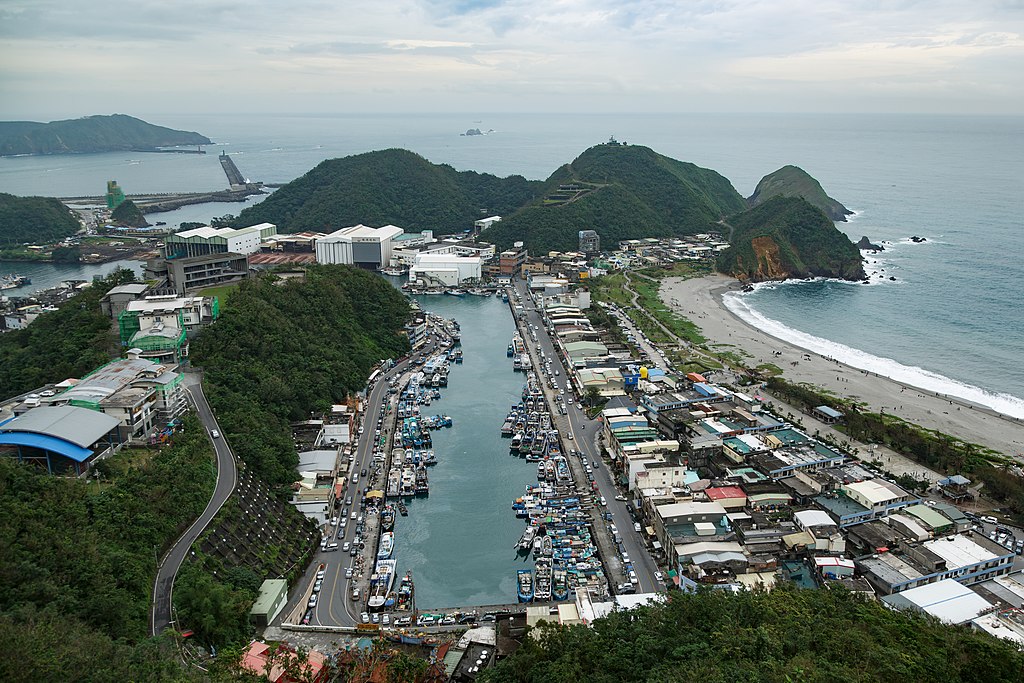
Taiwan is pushing to reduce tariffs on its exports to the United States from the current 20% to 15%, according to senior Taiwanese officials. The island, known globally as a semiconductor powerhouse, has been actively negotiating improved trade conditions as it works to strengthen economic ties with Washington. Officials emphasized that while Taiwan is committed to supporting the U.S. tech sector, training American workers is not one of the official conditions being discussed in the ongoing negotiations.
Taiwan’s chief trade negotiator, Jenni Yang, confirmed during a parliamentary session that lowering tariff rates remains a primary goal. This clarification followed reports suggesting the United States under President Donald Trump was considering a trade agreement requiring Taiwan to expand investments and provide training for U.S. workers in advanced manufacturing sectors. While these details were described as fluid, they sparked interest due to Taiwan’s significant role in global semiconductor supply chains.
TSMC, the world’s leading contract chipmaker, is already investing heavily in the United States, with $165 billion allocated to building advanced semiconductor facilities in Arizona. Taiwan’s Economy Minister, Kung Ming-hsin, said that if TSMC needed government assistance for worker training, it could be discussed separately, but emphasized that such commitments were not part of the tariff negotiation framework.
Neither Yang nor Kung offered a precise timeline for finalizing the trade agreement, though Yang stated the government aims to secure a deal before the end of the year. Notably, Taiwan’s semiconductor exports are already exempt from the 20% U.S. tariff, giving the sector some relief amid broader trade tensions.
In August, President Trump announced potential tariffs of about 100% on semiconductor imports but excluded companies with significant U.S. manufacturing operations—such as TSMC—from these measures. However, U.S. officials have privately indicated the tariffs may not be imposed in the near term, adding uncertainty but also providing Taiwan with additional room to negotiate favorable terms as talks continue.













