


 India–U.S. Interim Trade Pact Cuts Auto Tariffs but Leaves Tesla Out
  Trump Lifts 25% Tariff on Indian Goods in Strategic U.S.–India Trade and Energy Deal
  U.S. to Begin Paying UN Dues as Financial Crisis Spurs Push for Reforms
  Missouri Judge Dismisses Lawsuit Challenging Starbucks’ Diversity and Inclusion Policies
  Norway Opens Corruption Probe Into Former PM and Nobel Committee Chair Thorbjoern Jagland Over Epstein Links
  Iran–U.S. Nuclear Talks in Oman Face Major Hurdles Amid Rising Regional Tensions
  TrumpRx.gov Highlights GLP-1 Drug Discounts but Offers Limited Savings for Most Americans
  Jack Lang Resigns as Head of Arab World Institute Amid Epstein Controversy
  Trump Signs “America First Arms Transfer Strategy” to Prioritize U.S. Weapons Sales
  U.S. Announces Additional $6 Million in Humanitarian Aid to Cuba Amid Oil Sanctions and Fuel Shortages
  Trump Signs Executive Order Threatening 25% Tariffs on Countries Trading With Iran
  US Pushes Ukraine-Russia Peace Talks Before Summer Amid Escalating Attacks
  Nighttime Shelling Causes Serious Damage in Russia’s Belgorod Region Near Ukraine Border
  TrumpRx Website Launches to Offer Discounted Prescription Drugs for Cash-Paying Americans
  Pentagon Ends Military Education Programs With Harvard University
  South Korea Assures U.S. on Trade Deal Commitments Amid Tariff Concerns
  Federal Judge Restores Funding for Gateway Rail Tunnel Project


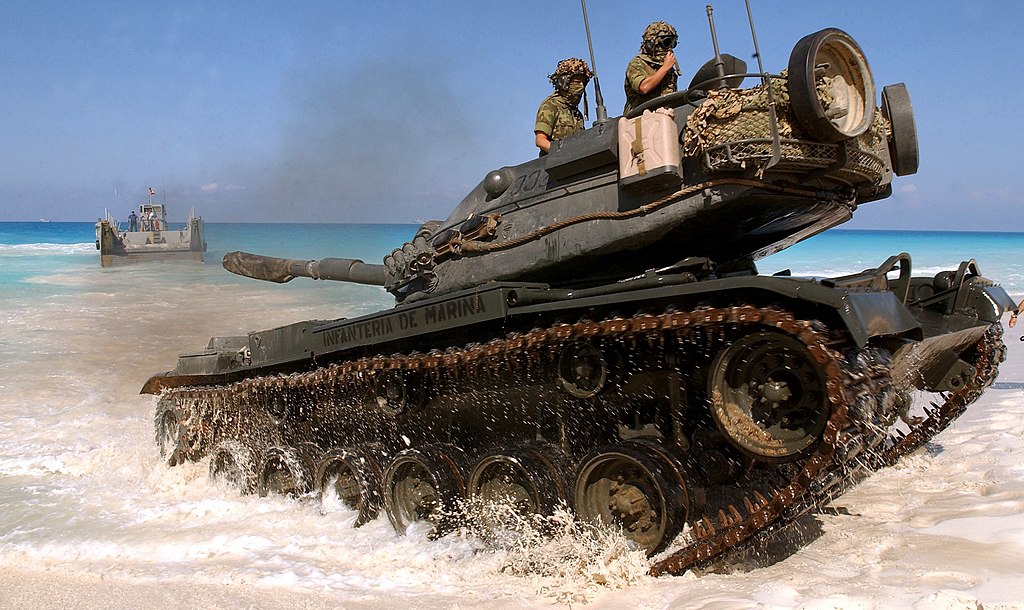
Taiwan is in talks with the United States to purchase billions of dollars in arms, aiming to strengthen its defense amid rising military pressure from China, according to sources familiar with the matter. The potential deal, estimated between $7 billion and $10 billion, may include coastal defense cruise missiles and HIMARS rocket systems. Taiwan seeks to demonstrate its commitment to defense to the new Trump administration, which has expressed interest in accelerating arms deliveries to the island.
Taiwan’s defense ministry declined to comment on specific purchases but emphasized its focus on enhancing military capabilities. China, which claims Taiwan as its territory, continues to apply military pressure, while Taiwan maintains that only its people can decide their future.
President Trump, despite criticizing Taiwan’s semiconductor industry during his campaign and threatening tariffs on chip imports, has maintained diplomatic support for the island. On February 7, Trump and Japanese Prime Minister Shigeru Ishiba jointly opposed any forceful changes to the Taiwan Strait’s status quo. The U.S. State Department also removed language from its website that opposed Taiwan independence, a move welcomed by Taiwan but condemned by China.
Taiwan plans to propose a special defense budget prioritizing precision ammunition, air-defense upgrades, command systems, reserve force equipment, and anti-drone technology. Trump's previous term saw regular arms sales to Taiwan, including F-16 fighter jets, a trend continued by the Biden administration. Despite tariff concerns, Taiwanese officials remain optimistic about Trump's support, believing he will not compromise Taiwan's interests in dealings with China. U.S. commitment is further underscored by Raymond Greene’s continued role as director of the American Institute in Taiwan, signaling stability in diplomatic relations.
Taiwan-US arms talks, military defense, China tensions, and Trump administration support remain key factors in this evolving geopolitical landscape.













