


 South Korea, Japan and US Plan Joint Military Drills
  Google Changes EU Spam Policy Amid Antitrust Scrutiny
  Pentagon Eyes 100-Year Lease on Venezuela Oil Fields
  U.S. Disrupts China-Linked Hacking Campaign Targeting Government Agencies
  Luxshare Shares Rise as First-Half Profit Jumps 18%
  Xiaomi Unveils Xring O3 Chip for Flagship Foldable Phone
  ICE Awards $16.7M Contract for Electric Shock Gloves
  Wall Street Slips as Warsh’s Hawkish Fed Speech Rattles Markets
  Alibaba Raises $10.2 Billion to Expand AI Infrastructure
  PayPal Shares Sink as $50 Billion Takeover Bid Collapses
  US Stock Futures Flat as Nvidia Rally Fades, Fed Speech in Focus
  US Military Uses Laser to Shoot Down Cartel Drones at Mexico Border
  SoftBank Plans Record $6.3 Billion Bond Sale to Fund OpenAI Investments
  Nvidia Eyes Perplexity Investment at $30 Billion Valuation
  Hong Kong Home Prices Fall 0.5% in July, Ending Long Winning Streak
  Dollar Steady Ahead of Jackson Hole as Yen Holds Firm
  Gold Prices Tumble 3% After Hawkish Fed Speech Boosts Dollar


 Add as a preferred source on Google
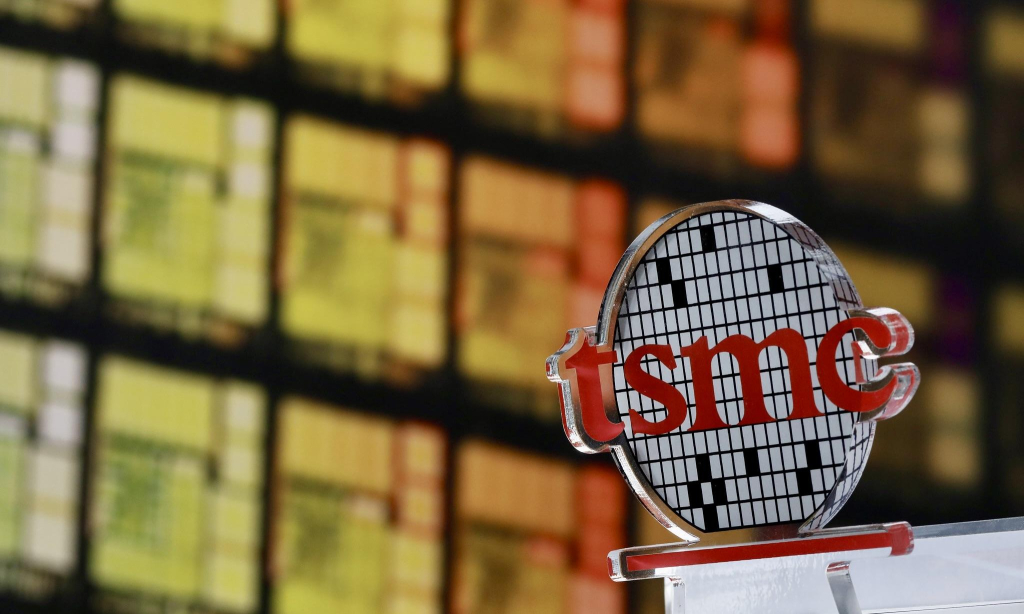
Taiwan has firmly rejected a U.S. proposal suggesting that half of global semiconductor production should shift to the United States. The clarification came from Taiwan’s Vice Premier Cheng Li-chiun, who returned from trade talks in Washington and stated that no such “50-50 chip deal” had been discussed or agreed upon. Cheng emphasized that Taiwan’s negotiating team “never made any commitment” on dividing chip production, stressing that the issue was not part of the official talks.
The rejection follows comments by U.S. Commerce Secretary Howard Lutnick, who told NewsNation that Washington wanted to pursue a 50-50 split in semiconductor manufacturing with Taiwan. However, Taiwan has reiterated its stance that chip production will remain centered on the island, home to Taiwan Semiconductor Manufacturing Company (TSMC), the world’s leading contract chipmaker.
TSMC continues to dominate global semiconductor supply, especially amid soaring demand for artificial intelligence applications. The company is investing $165 billion in new facilities in Arizona, yet most of its manufacturing capacity will remain in Taiwan. Industry analysts note that Taiwan’s strategic position in the global semiconductor supply chain is unlikely to change significantly despite U.S. incentives.
Taiwan currently faces a 20% tariff on exports to the United States, and tariff negotiations are ongoing. Vice Premier Cheng described the latest discussions as “detailed” and confirmed “certain progress” had been made. Premier Cho Jung-tai also highlighted that substantive consultations with Washington are underway, with hopes of achieving more favorable trade conditions.
In addition to semiconductor talks, Taiwan is expanding agricultural trade with the United States. President Lai Ching-te announced that Taiwan will purchase $10 billion worth of American agricultural products, including soybeans, wheat, corn, and beef, over the next four years.
While U.S.-Taiwan trade relations continue to deepen, Taiwan’s government remains firm that semiconductor sovereignty will not be compromised.







