


 Nvidia Pauses AI Cloud Financing Deals Amid Antitrust Concerns
  Jefferies Names AMEC Top China Semiconductor Equipment Pick
  Nvidia Revenue Soars 106% as AI Demand Hits ‘Inflection Point’
  GM Plans C$1.1 Billion Canada Investment Amid U.S. Tariff Pressure
  Itochu Offers $1.56 Billion to Privatize Dentsu Soken
  New Zealand Labour Backs Social Media Ban for Under-16s
  BofA Names ASML Top Semiconductor Equipment Pick on Growth, Valuation
  Nvidia Reportedly Eyes $13 Billion Hugging Face Acquisition
  Meta Agrees to $18 Billion Settlement, Tightens Teen Social Media Rules
  New Zealand Moves to Ban Social Media for Children Under 16
  Samsung Shares Tumble 8% as $79 Billion Return Plan Disappoints
  Amazon Secures 200 MW Wind Power Deals in Sweden
  PayPal Shares Sink as $50 Billion Takeover Bid Collapses
  Trian Drops Wendy’s Take-Private Bid Plans, Shares Plunge 14%
  Honda, Nissan Eye Shared Vehicle Software Platform by 2029
  OpenAI Data Center Chief Chris Malone Exits Ahead of Planned 2027 Listing


 Add as a preferred source on Google
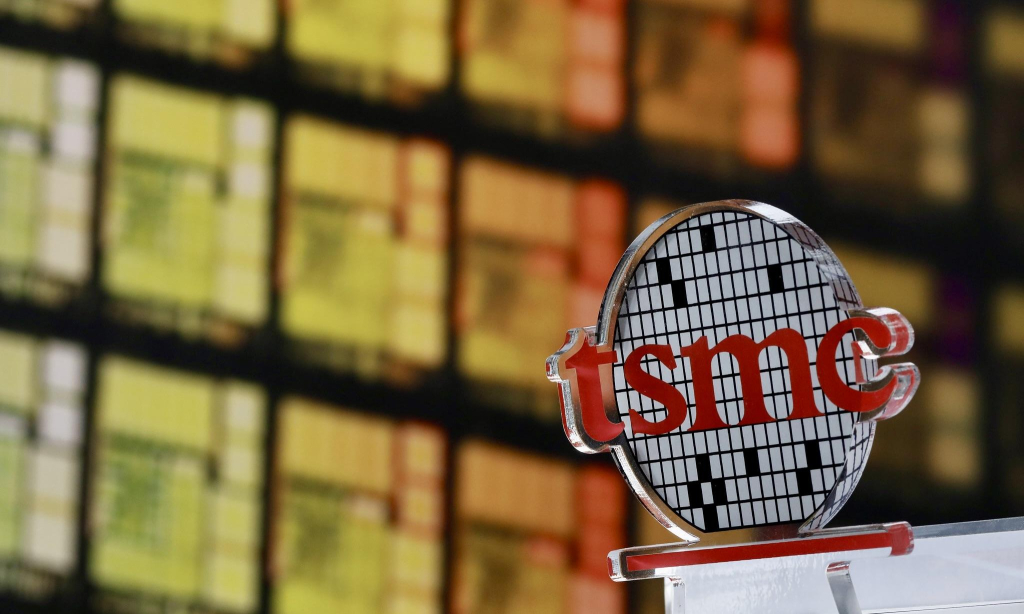
Taiwan Semiconductor Manufacturing Company (TSMC) CEO C.C. Wei says demand for artificial intelligence (AI) chips remains robust, outpacing supply, despite the uncertainty created by U.S. tariffs. Speaking at TSMC’s annual shareholders meeting in Hsinchu, Wei noted that while tariffs have some effect, they do not directly impact the company since it is an exporter, not an importer.
However, he acknowledged that higher prices from tariffs could weaken demand slightly. "If demand drops, TSMC’s business could be affected. But I can assure you that AI demand has always been very strong and it’s consistently outpacing supply," Wei said.
The world’s leading contract chipmaker, whose clients include Apple and Nvidia, remains optimistic about 2025 due to soaring demand for AI-related semiconductors. In April, TSMC gave an upbeat outlook, citing strong AI momentum as a key growth driver.
Wei emphasized the company’s ongoing efforts to meet global chip demand. "Our job is to provide customers with enough chips, and we’re working hard on that. 'Working hard' means it’s still not enough," he said, highlighting the persistent supply-demand imbalance in the AI chip market.
He also addressed speculation about TSMC potentially building new fabs in the Middle East, clarifying, "We have no plans to set up factories in the UAE or elsewhere in the region."
As geopolitical tensions and trade policy shifts continue to challenge the global semiconductor supply chain, TSMC’s dominant position in AI chip production remains a critical pillar for tech giants worldwide. The company’s ability to deliver cutting-edge chips is increasingly vital as AI adoption accelerates across industries.
This sustained demand ensures TSMC remains at the heart of the AI revolution, even amid external pressures like U.S. trade tariffs.







