


 Trump Buys SpaceX Shares After Record IPO
  New Zealand Labour Backs Social Media Ban for Under-16s
  Meta Agrees to $18 Billion Settlement, Tightens Teen Social Media Rules
  PayPal Shares Sink as $50 Billion Takeover Bid Collapses
  Luxshare Shares Rise as First-Half Profit Jumps 18%
  Unitree Shares Plunge 45% After Blockbuster IPO, Raising China Tech Bubble Fears
  Xiaomi Unveils Xring O3 Chip for Flagship Foldable Phone
  SoftBank Plans Record $6.3 Billion Bond Sale to Fund OpenAI Investments
  OpenAI Data Center Chief Chris Malone Exits Ahead of Planned 2027 Listing
  Salesforce Shares Surge as AI Demand Powers Q2 Earnings Beat
  Nvidia Revenue Soars 106% as AI Demand Hits ‘Inflection Point’
  Google Expands Gemini Enterprise With AI Tools for Legal Sector
  SK Hynix Shares Fall as Workers Reject Wage Deal
  Nvidia Reportedly Eyes $13 Billion Hugging Face Acquisition
  U.S. Disrupts China-Linked Hacking Campaign Targeting Government Agencies
  Pinterest Stock Falls as CFO Julia Brau Donnelly Resigns


 Add as a preferred source on Google
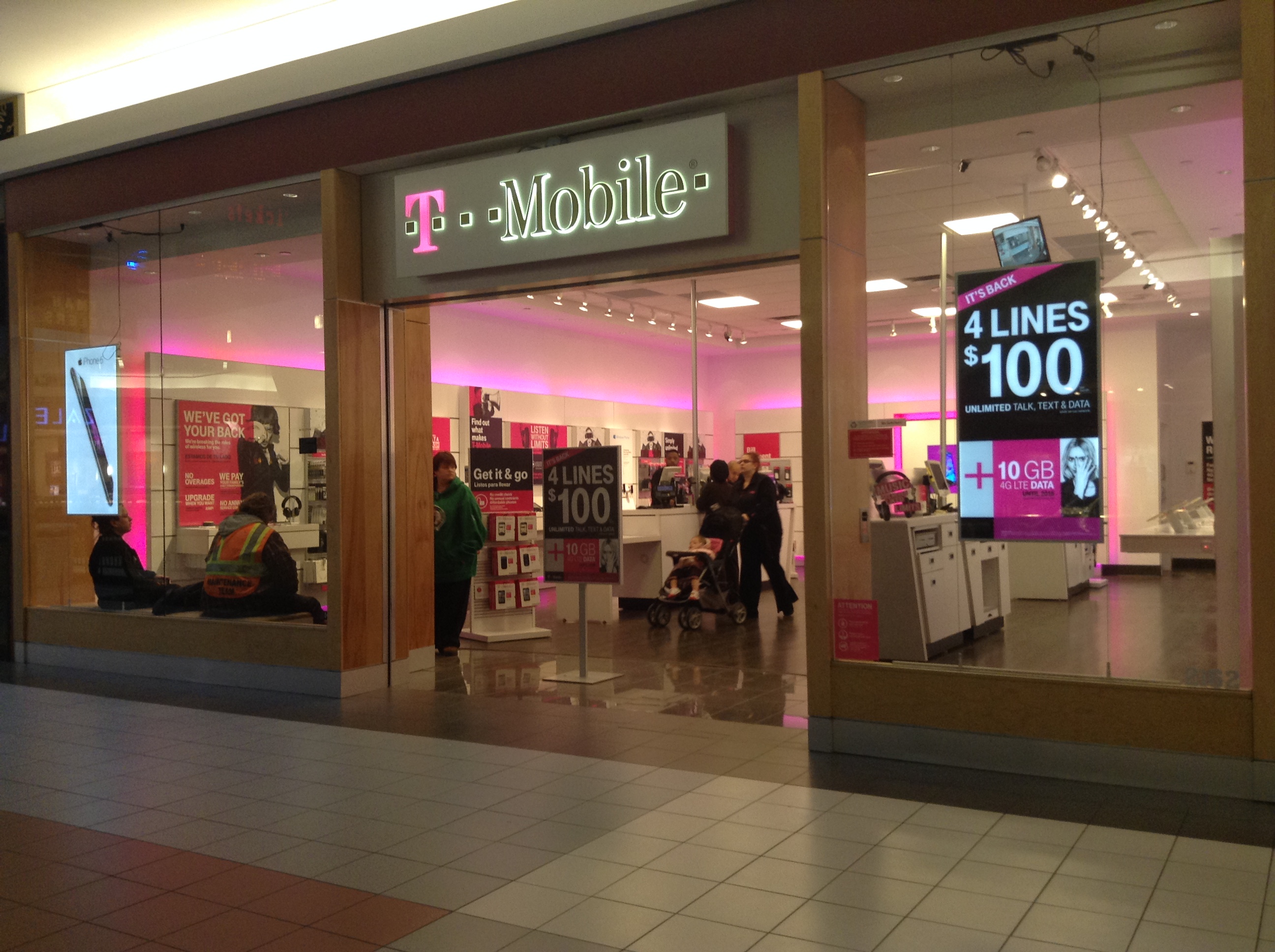
The way the modern wireless internet industry works is using airwaves as a kind of series of highways where data travels from the carriers to the consumers. Naturally, the carrier with the most number of highways with the biggest clearance will have the best internet speeds. In a recent auction, T-Mobile outbid AT&T, Comcast, and Dish Network by spending $8 billion to secure airwaves.
The airwaves in question are basically the spectrum that exists invisible to the eyes of humans, which various mediums of entertainment and communication have been using for decades. In this particular instance, it’s the spectrums used by TV companies, The Washington Post reports. They were part of an auction conducted by the Federal Communications Commission.
In a Tweet, T-Mobile CEO John Legere announced that his company cleaned house by getting the majority of the spectrum that was up for bidding. This is yet another way that the Uncarrier is shaking things up a bit.
Yep! The results of the recent low-band @FCC spectrum auction are in!!! and... Well, @TMobile CLEANED UP! This is HUGE news for customers!
— John Legere (@JohnLegere) April 13, 2017
“Yep! The results of the recent low-band @FCC spectrum auction are in!!! and... Well, @TMobile CLEANED UP! This is HUGE news for customers!” the Tweet reads.
Some of the new airwaves might be available for use later in the year, but nothing is certain. For now, it’s at least worth noting that T-Mobile just gained a significant cut of the wireless superhighway, which means that it is about to gain a lot of ground against its bigger competitors.
Quite a few things need to happen before these new airwaves can be used, The Verge reports. For one thing, the TV companies using them need to relinquish their rights to the spectrums, which won’t completely happen until 2020. There’s also the fact that current smartphones don’t use the spectrums that T-Mobile just bought, so this is definitely a long-term investment.
On the other hand, T-Mobile has a lot to gain by laying the groundwork to put it on par with AT-&T and Verizon. With 5G wireless connection coming in and smartphone use expected to explode in the coming years, Legere needed those airwaves to remain competitive.







