


 Fed Rate Hike Threatens Housing as U.S. Growth Leans on AI, Citi Says
  BOJ Set to Raise Rates to 1.25% as Inflation Risks Build
  U.S. Stock Futures Fall as Iran, Oil and AI Risks Rattle Markets
  Gold Rebounds as Oil Falls and Treasury Rout Eases
  Gold Plunges 4% as Treasury Yields Surge and Fed Rate Hike Bets Rise
  Yen in Focus as BOJ, Fed Rate Hikes Reshape Currency Markets
  ECB May Stop Rate Hikes After December, Capital Economics Says
  Asian Stocks Rise as Bond Yields Ease Ahead of U.S. Inflation Data
  Asian Stocks Fall as Bond Yields and Oil Prices Surge


 Add as a preferred source on Google
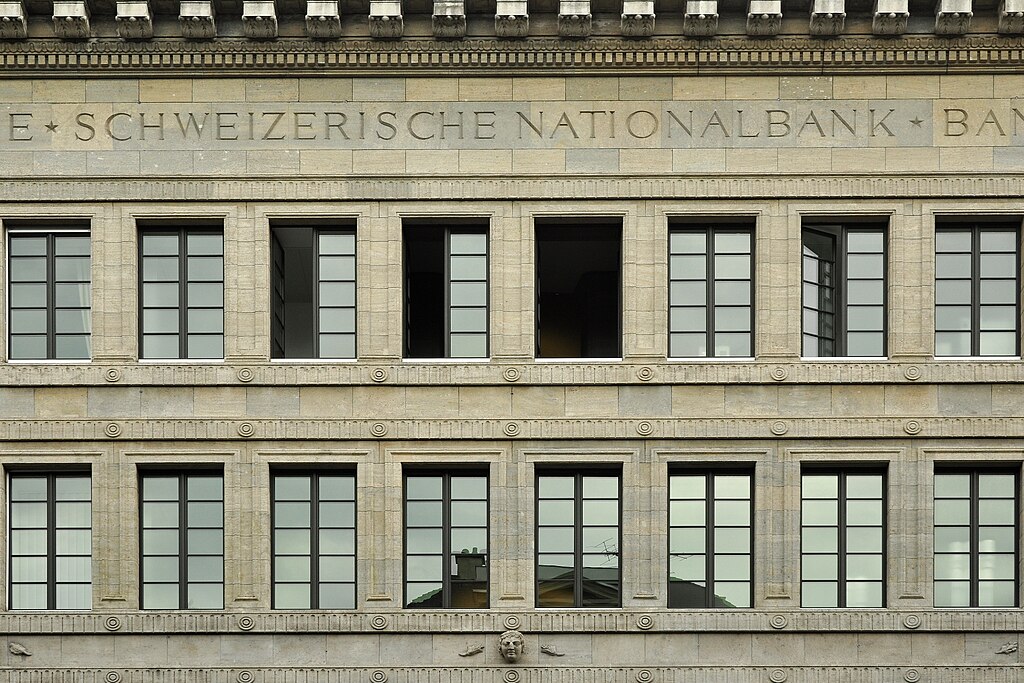
The Swiss National Bank (SNB) firmly denied allegations of currency manipulation on Friday, following its inclusion on a U.S. Treasury watchlist for potential unfair trade and currency practices. The central bank responded shortly after the U.S. Treasury released its semi-annual report, which flagged Switzerland alongside several other countries for close monitoring.
“The SNB does not engage in any manipulation of the Swiss franc,” the central bank stated, reaffirming its commitment to market-based monetary policy. It emphasized that it does not attempt to artificially influence exchange rates to gain trade advantages or distort the balance of payments.
The U.S. Treasury's monitoring list typically includes countries with large trade surpluses and significant foreign exchange interventions. While inclusion on the list does not trigger immediate penalties, it often leads to increased scrutiny and pressure from U.S. policymakers.
Switzerland has previously been named on similar watchlists due to its strong current account surplus and the SNB’s history of currency market interventions. However, the SNB maintains that any interventions are aimed solely at ensuring appropriate monetary conditions and price stability, especially given the Swiss franc's reputation as a safe-haven currency.
Currency manipulation concerns have become a sensitive issue in global trade relations, particularly between the U.S. and its major economic partners. The SNB's latest statement appears aimed at preserving Switzerland’s reputation as a stable and transparent financial hub.
The SNB operates independently and has consistently defended its actions as necessary for maintaining economic stability in a volatile global environment. As global tensions over trade and currencies persist, Switzerland’s monetary authority remains firm in its stance against any form of market distortion.
This latest development highlights ongoing challenges in navigating international economic diplomacy amid fluctuating currency markets.







