


 U.S. Markets Slip Amid Iran Conflict Uncertainty as Oil Prices Retreat
  UK Housing Market Slows Amid Geopolitical Tensions and Mortgage Rate Fears
  U.S.-Israel War on Iran Sends Crude Oil Prices Surging Amid Strait of Hormuz Tensions
  Asian Markets Retreat as Oil Prices Surge Toward $100 Amid Middle East Tensions
  Dollar Strengthens Amid Oil Price Surge and Inflation Fears
  Dollar Stabilizes Amid Iran War Uncertainty as Oil Prices Remain Elevated
  Venezuela Names Paula Henao as New Oil Minister Amid U.S.-Led Industry Overhaul
  Asian Currencies Face Pressure as U.S.-Iran Conflict Weighs on Markets
  Iran-Israel War Sparks Global Oil Crisis as Tankers Burn in Gulf Waters
  RBA Rate Decision: Deputy Governor Signals Genuine Debate Ahead of March Meeting
  Asian Stock Markets Rise as Oil Prices Pull Back; U.S. CPI in Focus
  ANZ and Westpac Forecast Two RBA Rate Hikes in March and May 2026
  Iran-U.S. Oil Tensions Escalate as Revolutionary Guards Threaten Strait of Hormuz Blockade
  Bank of Japan Expected to Hold Rates at 0.75% Before June Hike Amid Middle East War Uncertainty
  Chinese AI Stocks Surge as Tencent, MiniMax, and Zhipu Launch Agentic AI Programs
  U.S. Futures Slide as Oil Prices Surge on Middle East Shipping Attacks
  Gold Prices Climb Above $5,200 as Iran War Uncertainty and Inflation Data Loom


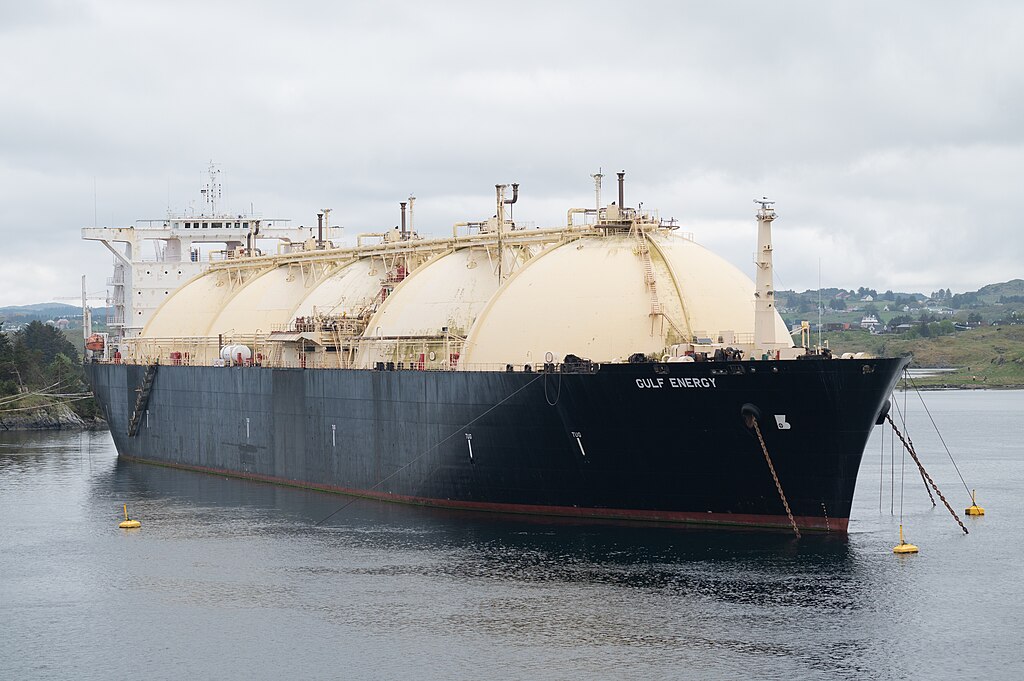
The global energy market is facing its most serious disruption since the Ukraine invasion, as escalating tensions involving Iran have effectively halted traffic through the Strait of Hormuz. This narrow waterway is the world’s most critical route for liquefied natural gas (LNG), handling nearly 20% of global LNG supply. With Iranian state media calling the passage “practically closed,” energy traders are bracing for severe volatility in global gas prices.
Ship-tracking data shows at least 11 major LNG tankers have paused operations in the region. Leading Japanese shipping companies, including Nippon Yusen K.K. and Mitsui OSK Lines, have instructed vessels to remain in safe waters until further notice. The disruption is particularly alarming because there is no viable alternative route for the massive volumes of Qatari LNG exported through the strait. Unlike crude oil, LNG shipments cannot easily be rerouted via pipelines, increasing supply chain vulnerability.
Asian economies are especially exposed to the LNG supply shock. China, India, and Japan—among the largest importers of Qatari natural gas—are scrambling to secure alternative cargoes in an already tight global market. Analysts warn that LNG spot prices could surge rapidly, reversing months of relative price stability and placing renewed pressure on energy-dependent industries and households.
The ripple effects extend beyond spot markets. Many long-term LNG contracts are indexed to Brent crude oil prices, meaning any spike in oil will push contracted gas costs higher as well. Meanwhile, LNG production facilities in Qatar and the UAE may face operational slowdowns if tankers cannot depart, potentially tightening supply even further.
As Israel halts gas field operations and Iranian pipeline flows to Turkey face uncertainty, countries such as Egypt are turning to expensive seaborne LNG. The result is a global bidding war for limited cargoes, amplifying energy price risks worldwide.













