


 Moonshot Launches Kimi K3, China's Largest Open-Source AI Model
  PayPal Rejects $53 Billion Stripe-Advent Takeover Offer as Too Low: Report
  Trump Criticizes ABC, NBC and CNN for Limiting Coverage of Election Speech
  Nvidia Partners With Fanuc and Yaskawa to Accelerate AI Robotics in Japan
  Alibaba Stock Jumps as China Approves Apple Intelligence Powered by Qwen AI
  Apple Intelligence Cleared for China as Alibaba and Baidu AI Power iPhone Features
  NY Times Challenges Trump Administration Subpoenas Over Air Force One Report
  SpaceX Aborts Starship Test Flight as Engine Issue Delays Launch
  Jamie Dimon Warns Anthropic's Mythos AI Poses National Security Risks
  UBS Boosts China Tech Bets, Adds Kuaishou and Meituan to Focus List
  Stripe, Advent Offer Over $53 Billion to Acquire PayPal in Major Fintech Deal
  Airbus Signs Cloud Deal With Scaleway to Power Secure AI and Defense Applications
  Mikron H1 2026 Sales Fall 5.9% as Automation Weakness Weighs on Profit
  BHP Q4 Iron Ore Output Rebounds as Copper Prices Boost Revenue
  xAI Sues Man for Allegedly Using Grok to Generate AI Child Abuse Deepfakes
  United Airlines Beats Q2 Earnings, Raises 2026 Profit Outlook Despite Higher Fuel Costs
  NTSB Leads Investigation Into Ryanair Boeing 737 Engine Failure Over Greece


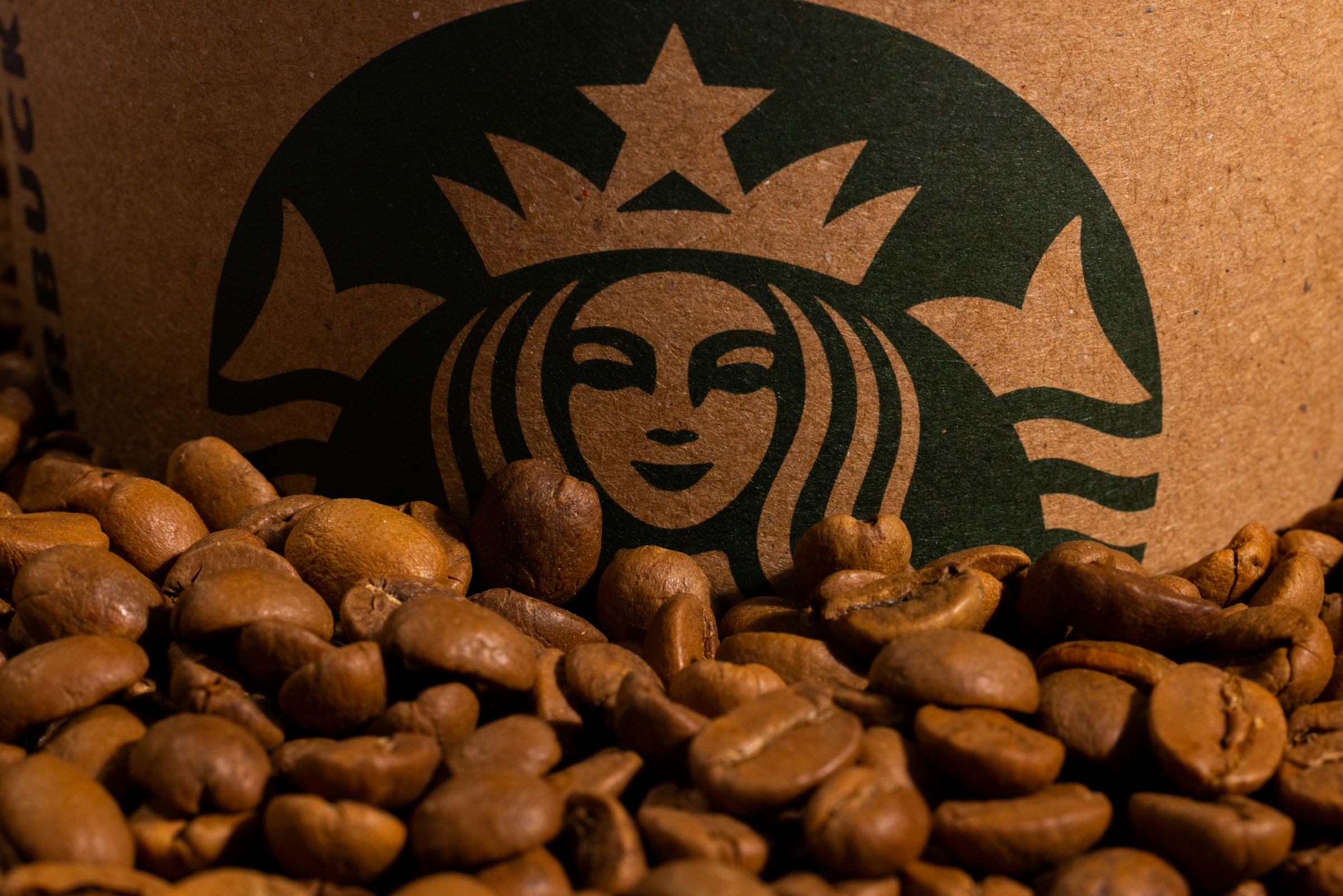
Starbucks, the renowned coffee chain, faced an unexpected downturn in its same-store sales, marking the first decline in roughly three years. The company attributed this drop to diminished demand for its coffee products in its two largest markets, the U.S. and China.
This decline, according to ABC News, led to an 11% fall in the company's shares during extended trading sessions.
Financial Figures Miss Expectations
Yahoo reported that Starbucks witnessed a 4% fall in global comparable sales in the second quarter, a stark contrast to the 1.44% rise analysts had anticipated, according to data from LSEG.
Additionally, the coffee giant's quarterly earnings fell significantly short of estimates, which further contributed to the company's challenges.
CEO Comments on Performance
Starbucks CEO Laxman Narasimhan addressed the situation by stating, "In a highly challenged environment, this quarter's results do not reflect the power of our brand."
The underlying factors affecting Starbucks' performance include a boycott campaign in the Middle East and select countries in response to Israel's military actions in the Gaza Strip, which also had repercussions in the United States.
Impact of External Factors
The company is navigating a complex landscape, with declining demand in the U.S. and China due to various external pressures, including a tough labor market and increased union activities. Starbucks' efforts to stimulate demand through promotions have yet to counterbalance the broader challenges it faces.
A Detailed Look at Regional Sales
In the U.S., comparable sales dipped 3%, mainly due to a decrease in transactions despite a 4% uptick in average customer spend.
Meanwhile, in China, sales plummeted by 11%, further emphasizing the stark reversal from the previous quarter's 10% sales growth. This downturn hints at increased pressure from lower-priced competitors, challenging Starbucks' stronghold in the premium coffee segment.
Outlook and Analyst Perspectives
The company's strive to rejuvenate its sales momentum is evident. Yet, the results have fallen short of expectations, as Matthew Goodman, a senior analyst at research firm M Science noted.
Beyond the numerical discrepancies, the broader issue lies in Starbucks' ongoing struggle to maintain its market dominance amidst a turbulent economic and competitive landscape.
Photo: engin akyurt/Unsplash







