


 UK Finance Minister Healey Calls for Fiscal Discipline Amid Global Risks
  Nvidia Invests in Four French AI Companies to Expand European Presence
  Can your cat recognise you by scent? New study shows it’s likely
  European Auto Stocks Rise as EU-China Trade Deal Targets Hybrid Imports
  Samsung, SK Hynix Shares Plunge as China Chip Competition Grows
  Disaster or digital spectacle? The dangers of using floods to create social media content
  European Stocks Rise as Oil Prices Fall Ahead of US CPI
  Fed’s Williams Sees One More Rate Hike in 2026, None in 2027
  Binance to Shut Down Crypto Mining Pool Services on November 10
  Wall Street Ends Mixed as Investors Await CPI and Bank Earnings
  Kalshi Seeks Sixth Circuit Review of Sports Betting Ruling
  Asian Stocks Plunge as AI Chip Selloff Hits South Korea and Japan
  Wells Fargo Expands Stablecoin Plans With 20 Major Banks
  S&P 500 Rally Masks Losses for Over 40% of Stocks in 2026
  Global Stocks Mixed as Oil Falls Ahead of US Earnings
  How to support someone who is grieving: five research-backed strategies
  Britain has almost 1 million young people not in work or education – here’s what evidence shows can change that


 Add as a preferred source on Google
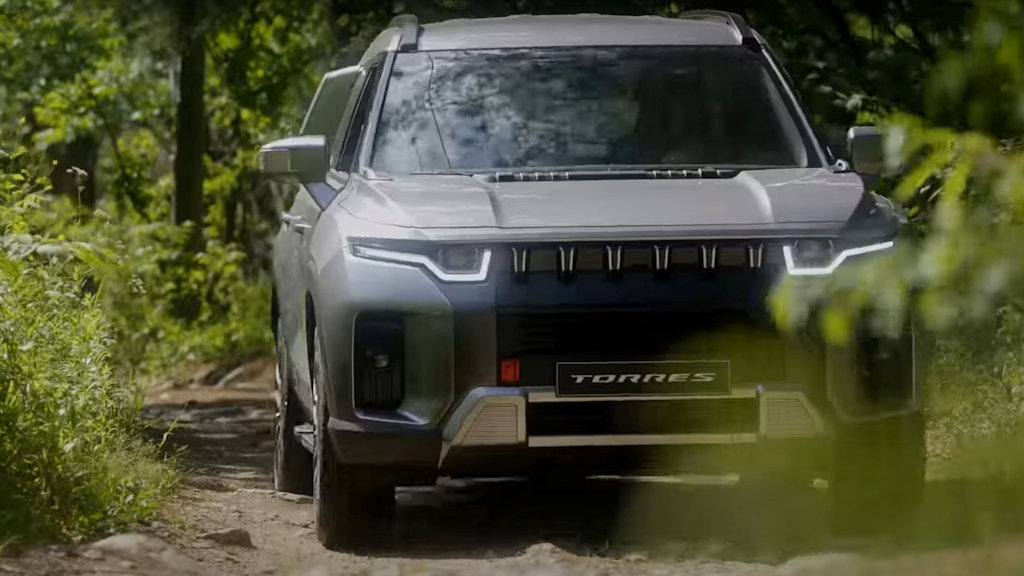
SsangYong Motor Co. will be running two shifts per week on its Pyeongtaek, assembly line due to the rising popularity of the Torres SUV, which has led to a production increase.
Since July of last year, the company has operated a single shift each week at its manufacturing line to reduce costs.
To take turns working shifts at the assembly line, all technicians, engineers, and office employees have been divided into two teams. Idle teams had to take unpaid time off.
The new Torres SUV, which has more than 30,000 pre-orders, has been well received by consumers.
Assembly line 1, which makes the Torres, Tivoli, and Korando, will experience an increase in production of 28 jobs per hour with the resumption of the two-shift system, while assembly line 3, which makes the New Rexton Sports and Khan, will see an increase in production of 14 jobs per hour.
The number of automobiles that can be produced annually will go from 90,000 to 170,000. The capacity of assembly line 1, which makes the Torres, will increase by more than 50,000 vehicles annually.







