


 Trump to Visit China in May for High-Stakes Xi Summit Amid Iran War
  Jay Bhattacharya to Continue Leading CDC as White House Searches for Permanent Director
  Kristi Noem Ends Western Hemisphere Tour in Diminished Role After DHS Firing
  US-Iran Ceasefire Talks Underway: What You Need to Know
  Trump Says Iran Offered Major Energy Concession Amid Ongoing Negotiations
  Denmark Election 2025: Social Democrats Suffer Historic Losses Amid Migration and Cost-of-Living Tensions
  Trump Backs Down on Iran Strikes After Gulf Allies Sound the Alarm
  ICE Arrest of Guatemalan Woman at San Francisco Airport Sparks Outrage
  Iran-U.S. Negotiations: Tehran Reviews American Peace Proposal Amid Ongoing Gulf Conflict
  Iran Demands Lebanon Be Part of Any Ceasefire Deal With Israel and the U.S.
  Bachelet Pushes Forward With UN Secretary-General Bid Despite Chile's Withdrawal
  Trump Votes by Mail Despite Calling It "Cheating" as Democrat Wins Mar-a-Lago District
  WTO Reform Talks Begin in Cameroon Amid Global Trade Tensions
  Russia-Iran Military Alliance Deepens With Drone Shipments Amid Middle East Tensions
  Trump Administration Settles Lawsuit Barring Federal Agencies from Pressuring Social Media Censorship
  Israel Eyes Litani River as New Border Amid Escalating Lebanon Offensive
  Cuba Receives Humanitarian Aid Convoy Amid U.S. Sanctions


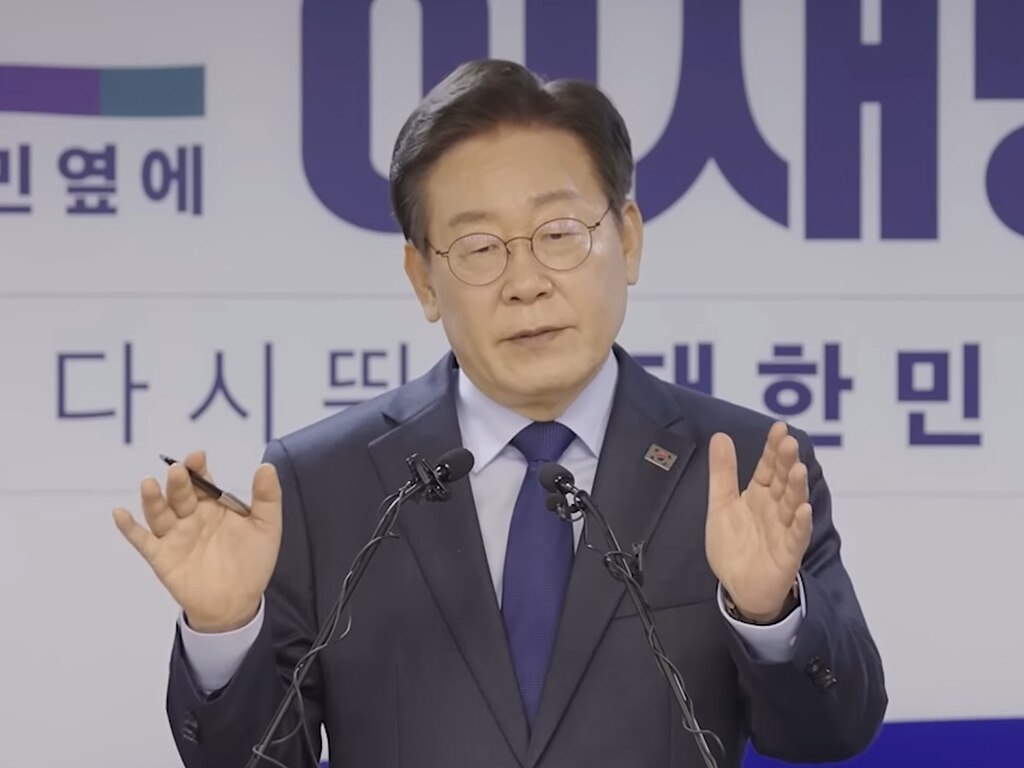
South Korean President Lee Jae-myung reaffirmed his commitment to pro-business policies and trade reform on Friday, pledging to ease regulations and accelerate tariff negotiations with the United States. Speaking at a high-level meeting with major conglomerate leaders, Lee emphasized the government's support for exporters facing growing uncertainty over U.S. trade measures.
Seated between Samsung Electronics Chairman Jay Y. Lee and Hyundai Motor Group Executive Chair Euisun Chung, President Lee stressed the importance of swiftly advancing working-level discussions with Washington to mitigate trade-related risks. SK Group Chairman Chey Tae-won, who also heads the Korea Chamber of Commerce and Industry, raised concerns over the challenges Korean firms face in making investment decisions amid ongoing tariff ambiguity.
Lee, who took office on June 3 following a campaign centered on economic pragmatism and deregulation, has already held a phone call with U.S. President Donald Trump to pursue a fast-track trade deal. South Korea's export-driven economy, reliant on industries like semiconductors, automobiles, and shipbuilding, is highly sensitive to tariff changes and geopolitical tensions.
“We will prioritize national interests with a pragmatic and flexible trade policy,” presidential spokesperson Kang Yu-jung said, relaying Lee’s remarks. “We aim to minimize the burden on companies in global competition and expand Korea’s economic reach.”
Samsung’s Lee expressed hope that strengthened public-private collaboration would help South Korea navigate what he called a "multi-dimensional crisis."
President Lee invited feedback from business leaders, saying, “Let us know what we need to do in light of overseas trade conditions, and we will do everything possible to align with you.”
The administration's focus on regulatory relief and international engagement signals a strategic pivot to stabilize the economy and reassure the corporate sector.













