


 RBA Hikes Interest Rate to 4.60% as Inflation Risks Rise
  US Stocks Slip as Treasury Yields Ease, AI Trade Rebounds
  BOJ Set for 25-Basis-Point Rate Hike as Yen Weakness Fuels Inflation
  Oil Prices Jump Nearly 3% as Iran Holds Firm on Hormuz Conditions
  RBI Uses $10 Billion Currency Swaps to Drain Excess Rupee Liquidity
  Fed Unveils Stablecoin Rules Under GENIUS Act
  RBA Says ASX Still Falls Short on Governance and Risk Controls
  Japan Factory Output Unexpectedly Falls 1.7% in August
  ECB May Stop Rate Hikes After December, Capital Economics Says
  Asian Stocks Fall as Bond Yields and Oil Prices Surge
  South Korea Exports Set for 16th Monthly Gain on AI Chip Demand
  XRP Price Targets $1.70 as Bullish Momentum Builds


 Add as a preferred source on Google
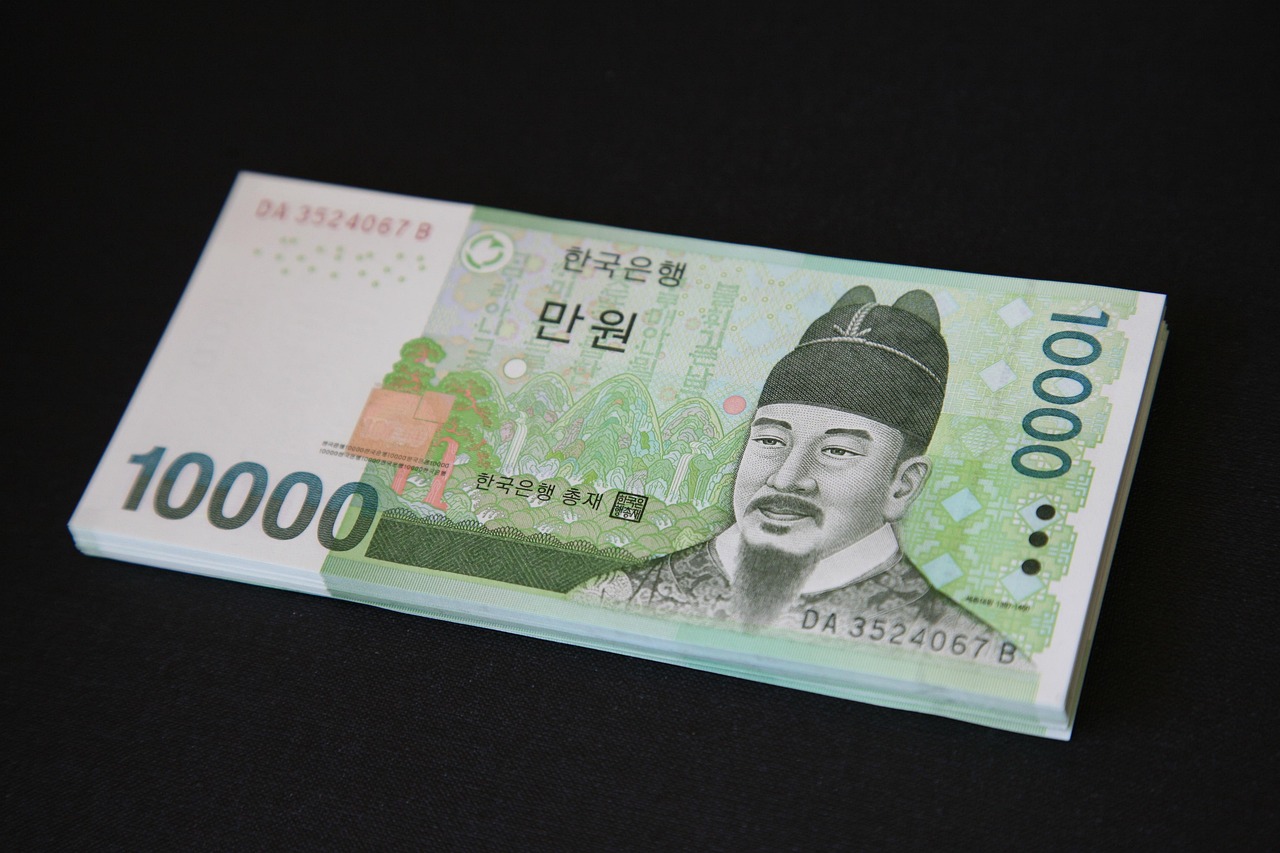
South Korea’s central bank has warned that inflation next year could exceed earlier projections if the Korean won remains weak against the U.S. dollar, raising concerns about price stability and currency market pressures. In its latest biannual inflation report released on Wednesday, the Bank of Korea (BOK) said a prolonged high KRW/USD exchange rate could lead to stronger inflationary spillover effects across the economy.
According to the BOK, if the won stays near its current level of around 1,470 per dollar throughout next year, headline consumer inflation could rise into the low-to-mid 2% range. This would slightly surpass the central bank’s existing forecasts and keep inflation above its official 2% target. The bank emphasized that a sustained weak currency tends to increase import costs, which are then passed on to consumers through higher prices.
South Korea’s headline inflation rose 2.4% in November compared with the same period last year, marking the third consecutive month it has remained above the BOK’s target. While inflation has eased significantly from peak levels seen in previous years, policymakers remain cautious as external factors, including exchange rate volatility and global financial conditions, continue to pose risks.
BOK Governor Rhee Chang-yong said the central bank would take steps to ensure foreign exchange stability, particularly in light of expected dollar outflows linked to a promised $350 billion investment fund under South Korea’s trade agreement with the United States. He stressed that such capital movements should not undermine the stability of the foreign exchange market.
Governor Rhee also reiterated calls for South Korea’s National Pension Service (NPS) to pay closer attention to macroeconomic conditions. As the world’s third-largest pension fund, the NPS has become a major market player, especially as it has increased overseas equity investments in recent years. These investments often involve buying dollars in the onshore foreign exchange market, which has contributed to downward pressure on the won. Rhee again urged the NPS to actively use currency hedging when purchasing foreign assets.
On Wednesday, the Korean won weakened a further 0.5% to 1,480.4 per dollar, hovering near its lowest level in 16 years, underscoring ongoing concerns about currency weakness and inflation risks.







