


 ANZ and Westpac Forecast Two RBA Rate Hikes in March and May 2026
  Gold Prices Climb Above $5,200 as Iran War Uncertainty and Inflation Data Loom
  Gold Prices Slip as U.S.-Israel-Iran War Fuels Dollar and Oil Demand
  U.S.-Israel War on Iran Sends Crude Oil Prices Surging Amid Strait of Hormuz Tensions
  IEA Plans Record Emergency Oil Release Amid Iran Strait of Hormuz Crisis
  Asian Currencies Face Pressure as U.S.-Iran Conflict Weighs on Markets
  Diesel Price Surge Threatens Global Economy Amid Middle East Conflict
  RBA Set for Back-to-Back Rate Hikes, Westpac Forecasts
  IEA Releases Record 400 Million Barrels of Oil Amid U.S.-Iran War
  Asia FX Steady as Iran War Signals and U.S. Inflation Data Weigh on Sentiment
  Venezuela Names Paula Henao as New Oil Minister Amid U.S.-Led Industry Overhaul
  Dollar Stabilizes Amid Iran War Uncertainty as Oil Prices Remain Elevated
  Asian Markets Retreat as Oil Prices Surge Toward $100 Amid Middle East Tensions
  Oil Prices Surge Toward $100/Barrel After Tanker Attacks in Iraqi Waters
  China's Trade Surplus Surges Past Forecasts in Early 2026
  Trump Administration Launches Trade Investigations Against 16 Countries Over Industrial Overcapacity
  German Exports Drop 2.3% in January, Exceeding Forecast Decline


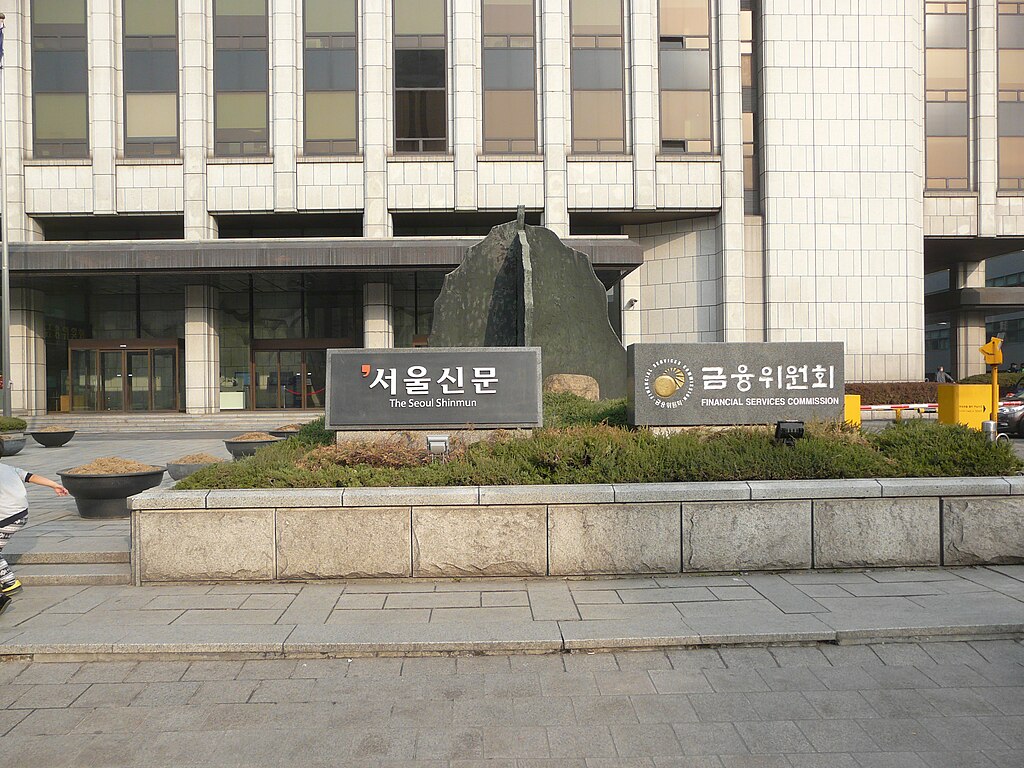
South Korea has decided to extend its bond market stabilization programs through 2026, signaling a proactive effort to safeguard financial stability amid growing uncertainty in both domestic and global markets. The announcement was made on Monday by the Financial Services Commission (FSC), which cited risks stemming from shifts in monetary policy, increased government bond issuance, and heightened market volatility.
According to the FSC, bond and short-term money market stabilization funds totaling 37.6 trillion won (approximately $25.5 billion) will remain in place through next year. In addition, real estate project financing support programs worth 60.9 trillion won will also be extended, underscoring the government’s commitment to maintaining liquidity and preventing disruptions in key financial sectors. These measures were initially introduced to calm markets during periods of stress and are now being prolonged as precautionary tools.
The regulator noted that domestic financial markets are facing rising caution, driven by increasing bond yields and growing volatility in foreign exchange markets. As a result, the FSC emphasized that it stands ready to deploy additional market-stabilizing measures pre-emptively if conditions worsen. This approach reflects concerns about potential spillover effects from global monetary tightening and policy adjustments in major economies.
Meanwhile, the Bank of Korea has maintained a cautious stance on monetary policy. Last month, the central bank kept interest rates unchanged for the fourth consecutive meeting. While economic conditions might otherwise allow for further easing, a weakening Korean won has constrained the central bank’s flexibility. Officials have signaled that the rate-cutting cycle may be approaching its end, adding another layer of uncertainty for investors and policymakers.
By extending bond market stabilization programs and signaling readiness to intervene if needed, South Korea aims to bolster investor confidence, manage liquidity risks, and ensure orderly market conditions. These measures highlight the government’s focus on financial resilience at a time when global economic headwinds and domestic market pressures remain elevated.













