


 Trump Signs Executive Order Threatening 25% Tariffs on Countries Trading With Iran
  China Warns US Arms Sales to Taiwan Could Disrupt Trump’s Planned Visit
  Trump Backs Nexstar–Tegna Merger Amid Shifting U.S. Media Landscape
  U.S.-India Trade Framework Signals Major Shift in Tariffs, Energy, and Supply Chains
  U.S. Stock Futures Slide as Tech Rout Deepens on Amazon Capex Shock
  Dow Hits 50,000 as U.S. Stocks Stage Strong Rebound Amid AI Volatility
  Gold Prices Slide Below $5,000 as Strong Dollar and Central Bank Outlook Weigh on Metals
  TrumpRx.gov Highlights GLP-1 Drug Discounts but Offers Limited Savings for Most Americans
  Missouri Judge Dismisses Lawsuit Challenging Starbucks’ Diversity and Inclusion Policies
  India–U.S. Interim Trade Pact Cuts Auto Tariffs but Leaves Tesla Out
  Japan Election 2026: Sanae Takaichi Poised for Landslide Win Despite Record Snowfall
  Norway Opens Corruption Probe Into Former PM and Nobel Committee Chair Thorbjoern Jagland Over Epstein Links
  Japan Economy Poised for Q4 2025 Growth as Investment and Consumption Hold Firm
  Trump Signs “America First Arms Transfer Strategy” to Prioritize U.S. Weapons Sales
  Pentagon Ends Military Education Programs With Harvard University
  Trump Allegedly Sought Airport, Penn Station Renaming in Exchange for Hudson River Tunnel Funding
  Trump’s Inflation Claims Clash With Voters’ Cost-of-Living Reality


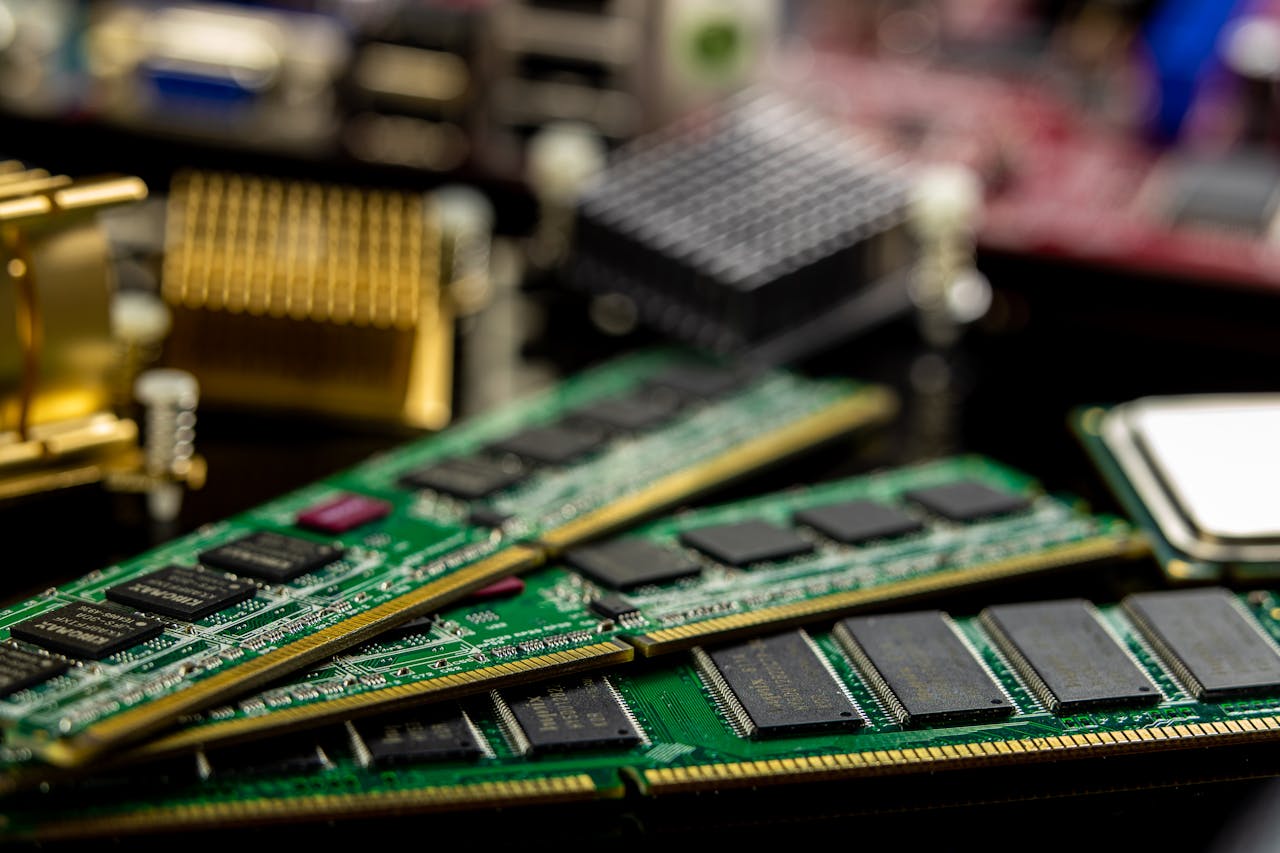
South Korea has expanded its support package for the semiconductor industry to 33 trillion won ($23.25 billion), marking a 27% increase from the 26 trillion won initiative announced in 2023. The move comes as global chip competition intensifies and policy uncertainties grow under the current U.S. administration.
A joint statement from multiple ministries, including the Ministry of Trade, highlighted that financial assistance for the chip sector will now reach 20 trillion won, up from the previous 17 trillion won. The goal is to help domestic chipmakers manage rising costs and enhance competitiveness in a global market increasingly dominated by Chinese rivals.
As the world’s fourth-largest economy, South Korea remains a dominant player in memory chips, led by giants Samsung Electronics and SK Hynix. However, the country is facing challenges in areas like chip design and contract manufacturing. In 2024, semiconductor exports reached $141.9 billion—21% of South Korea’s total exports—with $46.6 billion shipped to China and $10.7 billion to the U.S.
U.S. President Donald Trump recently announced plans to unveil new tariff rates on imported semiconductors, with some flexibility for certain companies. In response, South Korea’s Finance Minister Choi Sang-mok emphasized plans to engage in dialogue with U.S. officials over the Section 232 investigations into semiconductors and biopharmaceutical imports to mitigate negative effects on Korean firms.
Last week, Seoul also introduced emergency support for its auto industry, including tax cuts, subsidies, and financial assistance, aiming to cushion the impact of potential U.S. tariffs. The government reiterated its commitment to negotiating with Washington and diversifying export markets to safeguard its key industries.
This strategic funding boost underscores South Korea's resolve to remain a global leader in semiconductors amid shifting geopolitical and economic landscapes.













