


 Trump Buys SpaceX Shares After Record IPO
  U.S. Probes Apex Logistics Over Nvidia AI Chip Shipments to China
  Countries Tighten Social Media Bans for Children
  PayPal Shares Sink as $50 Billion Takeover Bid Collapses
  Pinterest Stock Falls as CFO Julia Brau Donnelly Resigns
  Faraday Future Delivers First Robots in Middle East, Plans September Launches
  BofA Names ASML Top Semiconductor Equipment Pick on Growth, Valuation
  Nvidia Reportedly Eyes $13 Billion Hugging Face Acquisition
  Meta, U.S. States Discuss Settlement in Teen Addiction Trial
  OpenAI Data Center Chief Chris Malone Exits Ahead of Planned 2027 Listing
  Nvidia Options Price in $280 Billion Earnings Swing
  Nvidia Eyes Perplexity Investment at $30 Billion Valuation
  Salesforce Shares Surge as AI Demand Powers Q2 Earnings Beat
  New Zealand Labour Backs Social Media Ban for Under-16s
  Google Expands Gemini Enterprise With AI Tools for Legal Sector


 Add as a preferred source on Google
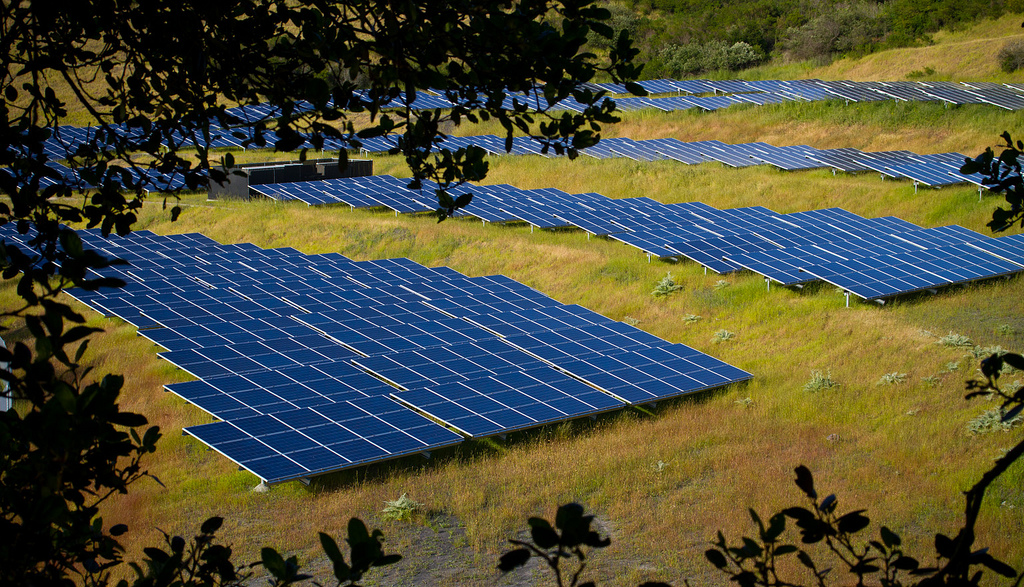
The general trend in the global energy industry is going the way of renewables. This has resulted in sources like Solar Power becoming increasingly affordable while fossil fuel becomes more expensive. Solar has become so cheap, in fact, that maintaining existing coal and nuclear power plants are actually costing more by comparison.
According to data compiled by Bloomberg New Energy Finance, the costs for Solar Energy throughout the last year have been falling by 26 percent. Asian markets like those in China and India are seeing the biggest reductions in costs and the highest uptick in adoption.
A lot of this has to do with the propensity to favor solar companies that offer the lowest bids. Basically, companies submit the lowest figure that they are willing to go in order to accept a government contract to start building solar arrays. The company with the lowest bid gets the contract.
This has cultivated a market where only the companies that are willing to go as cheap as possible while still maintaining high efficiency are likely to survive, as JinkoSolar Holding Co. vice president, Qian Jing explains.
“Only those that have the most efficient technology, most precise and best practice of manufacturing, most solid financing and strongest control over the supply chain can survive,” Jing said.
The fierce competition among suppliers has resulted in a steep drop in costs of building farms to supply solar energy. In contrast, more traditional forms of energy production such as coal or nuclear power plants have become more expensive to operate, Futurism reports.
Advancements in solar technology have also helped in making panels more efficient and storage more effective. This trend is in line with the expectations by industry analysts, many of whom have long predicted the downfall of fossil fuel and the oil market.







