


 Bank of America Sees EUR/USD at 1.15 by Year-End
  Middle East Oil Exports Recover as Tanker Costs Surge
  South Korea Exports Surge 83.5% on AI Chip Boom
  Fed’s Logan Signals 50 Basis Points More in Rate Hikes
  US Treasury Bond Buybacks Fall Short Despite Expanded $6 Billion Cap
  Asian Currencies Mixed as Yen Slides on BOJ Rate Signals
  AI Agents Could Disrupt Financial Services, Bernstein Says
  Asian Stocks Rise as Bond Yields Ease Ahead of U.S. Inflation Data
  Oil Prices Hold Steady as Middle East Supply Risks Persist
  Australia Trade Surplus Shrinks Sharply as Imports Surge
  Tokyo Inflation Jumps to 2.7%, Boosting BOJ Rate Hike Expectations
  G20 Divided Over US Push to Curb Industrial Overcapacity
  Nasdaq Futures Jump as Micron Earnings Boost AI Trade
  Gold Prices Slip as High Treasury Yields Weigh on Bullion
  Oil Prices Steady as Middle East Crude Flows Recover
  Dollar Eases Near Two-Month High as Yen Rebounds
  India Manufacturing Growth Hits Seven-Month High in September


 Add as a preferred source on Google
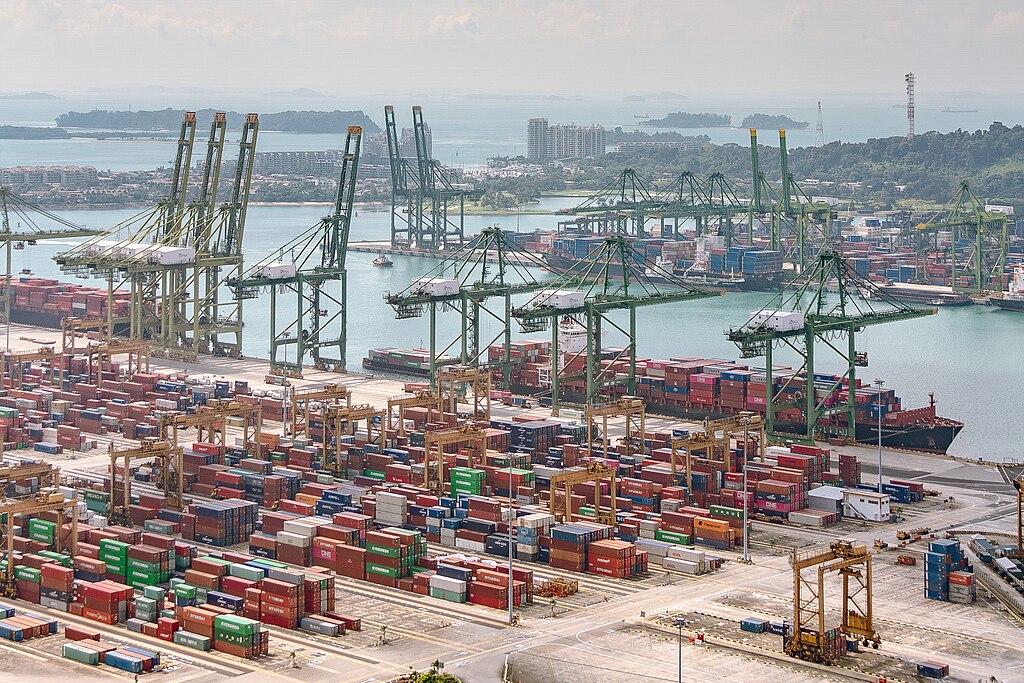
Singapore said around one-third of its exports to the United States will be affected by a new 12.5% U.S. tariff introduced on July 24, with Trade Minister Gan Kim Yong estimating the impacted shipments at S$9.5 billion (US$7.4 billion).
Speaking in parliament on Wednesday, Gan said the tariffs, imposed under Section 301 of the U.S. Trade Act of 1974, will mainly affect Singapore exports such as optical instruments and chemical products. However, several key industries remain exempt, including energy and energy-related products, certain electronics, aerospace goods, semiconductors, and pharmaceuticals.
According to Gan, the U.S. justified the tariff by stating that Singapore does not have legislation banning the import of goods produced through forced labour. Washington also cited the absence of an Agreement of Reciprocal Trade that would require Singapore to introduce such a law.
Gan emphasized that Singapore was not singled out, noting that none of the 60 economies subject to similar tariffs—including the European Union and China—received a full exemption, even those with existing forced labour import bans.
Singapore has consistently maintained that there is no evidence linking the country to the trade of goods produced with forced labour. Gan added that any potential agreement with the U.S. would require careful evaluation, as it could include obligations extending beyond import restrictions, such as export controls or measures involving third countries.
As one of the world’s leading trade hubs, Singapore handles approximately S$2.5 trillion in annual goods and services trade, including S$1.4 trillion in merchandise trade. Gan warned that introducing broad import prohibitions could have significant implications for the country’s open trading system and supply chains.
Despite the new tariff, trade ties between the two countries remain strong. Data from the Office of the U.S. Trade Representative (USTR) shows the United States recorded a trade surplus of US$3.6 billion with Singapore in 2025, underscoring the importance of the bilateral economic relationship even as new trade measures take effect.







