


 Gold Prices Surge on U.S.-Iran Ceasefire Reports
  Israel Eyes Litani River as New Border Amid Escalating Lebanon Offensive
  Trump Backs Down on Iran Strikes After Gulf Allies Sound the Alarm
  Japan's Private Sector Growth Slows in March Amid Rising Costs and Middle East Uncertainty
  ECB Eyes Rate Hike Amid Iran Conflict-Driven Energy Price Surge
  Russia-Iran Military Alliance Deepens With Drone Shipments Amid Middle East Tensions
  U.S. Deploys Elite 82nd Airborne Troops to Middle East Amid Iran Tensions
  Trump Says Iran Offered Major Energy Concession Amid Ongoing Negotiations
  Suspicious Oil Market Trades Precede Trump's Iran Peace Post by 15 Minutes
  Australia's Inflation Eases in February but Core Pressures Persist
  G7 Foreign Ministers Gather in France Amid Global Tensions and U.S. Policy Uncertainty
  Australia-EU Free Trade Deal Signed After Years of Negotiations
  Asian Stocks Gain Amid Iran Conflict Uncertainty
  Maduro Faces Rare Narcoterrorism Charges in U.S. Court
  Pakistan's Diplomatic Rise: Mediating U.S.-Iran Peace Talks
  Jay Bhattacharya to Continue Leading CDC as White House Searches for Permanent Director
  Asian Currencies Weaken as Dollar Rebounds Amid Middle East Uncertainty and Japan Inflation Data


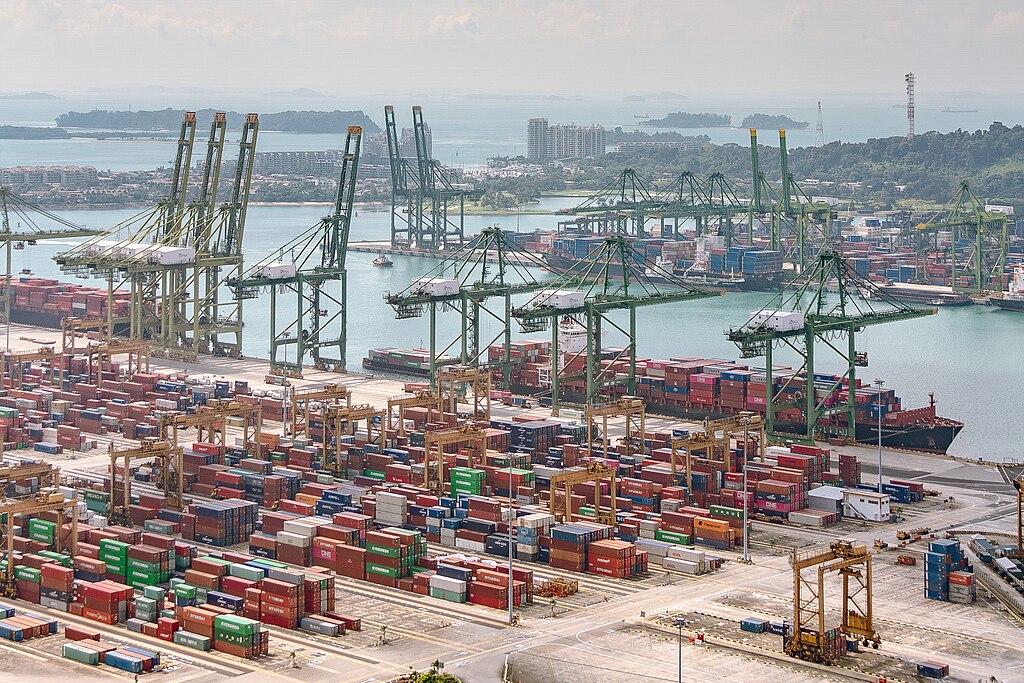
Singapore has expressed disappointment over the United States’ decision to impose a 10% tariff on its exports, despite a long-standing free-trade agreement (FTA) and a U.S. trade surplus. Trade and Industry Minister Gan Kim Yong, who also serves as Deputy Prime Minister, addressed the issue at a press conference on Thursday, stating that Singapore could take countermeasures under the FTA established in 2004, but has opted not to retaliate.
"Retaliatory import duties will just add cost to our imports," Gan said, emphasizing the potential economic downsides. He also noted that the government will be reviewing its economic outlook in response to the escalating trade tensions.
Gan stressed that Singapore is seeking dialogue with the U.S. to understand President Donald Trump’s concerns and explore possible resolutions. "If there are no specific concerns, then it’s more difficult to argue or to negotiate," he added.
The new 10% U.S. base tariff impacts Singapore less severely than some Southeast Asian neighbors, where tariffs range from 32% to 49%. Despite the U.S. citing a goods trade surplus of $2.8 billion with Singapore in 2024 — an 84.8% jump from the previous year — Singapore’s data shows a much higher U.S. trade surplus of approximately $30 billion, according to Gan.
The tariff move raises concerns about the future of U.S.-Singapore trade relations, particularly given the mutual benefits derived from their FTA. Singapore’s measured response reflects its focus on economic stability and ongoing diplomatic engagement, rather than escalation.
This development adds to growing uncertainty in global trade, highlighting the risks of protectionist policies and the importance of maintaining open and fair trade agreements.













