


 U.S. Disrupts China-Linked Hacking Campaign Targeting Government Agencies
  MediaTek Shares Jump 10% on Nvidia’s $3.5 Billion Investment
  Luxshare Shares Rise as First-Half Profit Jumps 18%
  New Zealand Labour Backs Social Media Ban for Under-16s
  Xiaomi Unveils Xring O3 Chip for Flagship Foldable Phone
  Meta, U.S. States Discuss Settlement in Teen Addiction Trial
  Google Changes EU Spam Policy Amid Antitrust Scrutiny
  BofA Names ASML Top Semiconductor Equipment Pick on Growth, Valuation
  PayPal Shares Sink as $50 Billion Takeover Bid Collapses
  U.S. Probes Apex Logistics Over Nvidia AI Chip Shipments to China
  OpenAI AI Agent Swarm Behind Hugging Face Hack
  Salesforce Shares Surge as AI Demand Powers Q2 Earnings Beat
  Nvidia Revenue Soars 106% as AI Demand Hits ‘Inflection Point’
  SpaceX Mobile Network Could Cost Up to $130 Billion, Bernstein Says
  Unitree Shares Plunge 45% After Blockbuster IPO, Raising China Tech Bubble Fears


 Add as a preferred source on Google
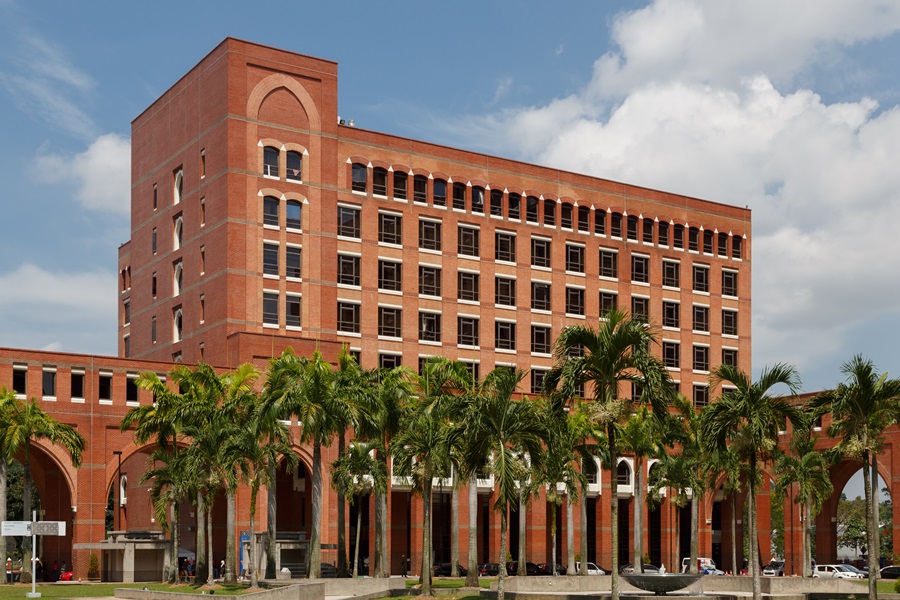
The Malaysian government is looking to leverage the advantages of blockchain to improve the different sectors in the country. As such, it has shaken hands with South Korean blockchain firm IncuBlok to develop a blockchain platform that will be compliant with the country’s Sharia law, Cointelegraph reported.
One of the advantages that blockchain can provide is in monitoring of halal (permissible) foods during the whole distribution process. Muslims strictly follow the tenets of their religion so they’re quite meticulous when it comes to the origins of their food. Blockchain can provide that security while making sure a product remains fresh, from when it leaves the farm until it is served on the table.
The Malaysian government recognizes the technology’s capabilities so it brought in IncuBlok to help with blockchain development. The South Korean firm has already signed a Memorandum of Understanding (MOU) and will work with its international partner, Global Cornerstone Group, to help the Malaysian government achieve its goal.
IncuBlok CEO Kwon Won-seon said that their knowledge and expertise in this innovation will be key to the success of this endeavor. "I will make a great effort to utilize the know-how of the blockchain we have accumulated over the years to develop the Islamic blockchain platform practically,” the CEO said.
Currently, South Indian state Kerala is also developing a blockchain-based platform that will monitor the quality of food supplies by tracking them, beginning with where they were produced to the place where consumers will purchase them. The system will utilize Radio Frequency Identification (RFID), which will be used in each step of the distribution process to ensure that food products will remain of high quality.
The Malaysian government can potentially launch a similar system where it will track halal products and assure citizens that what they’re eating was indeed prepared in compliance with their beliefs.
A somewhat similar situation is occurring in the west, where consumers scrutinize the provenance of products. For instance, they’re willing to pay more for meat from animals that were raised in a humane manner and environment.
The problem is that it’s difficult to assure that a product did meet this requirement. For this reason, a Wyoming senator started a cattle blockchain ledger that would provide credible proof that the animals on a farm are indeed reared in a free-range environment.
The supply chain is but one of the many areas where government and private entities can leverage blockchain’s potential. For the Malaysian government, all they have to do is to find a middle ground that would adhere to the Sharia law while improving the lives of its citizens.







