


 Cuba Receives Humanitarian Aid Convoy Amid U.S. Sanctions
  Trump's Overhaul of American History: Museums, Monuments, and Cultural Institutions
  Trump Backs Down on Iran Strikes After Gulf Allies Sound the Alarm
  Israel Eyes Litani River as New Border Amid Escalating Lebanon Offensive
  Jay Bhattacharya to Continue Leading CDC as White House Searches for Permanent Director
  G7 Foreign Ministers Gather in France Amid Global Tensions and U.S. Policy Uncertainty
  US Accelerates Taiwan Arms Deliveries Amid Rising China Threat
  Maduro Faces Rare Narcoterrorism Charges in U.S. Court
  U.S. Deploys Elite 82nd Airborne Troops to Middle East Amid Iran Tensions
  Russia Strikes Kharkiv and Izmail as Cross-Border Drone War Escalates
  Trump to Visit China in May for High-Stakes Xi Summit Amid Iran War
  Iran Demands Lebanon Be Part of Any Ceasefire Deal With Israel and the U.S.
  Trump Administration Settles Lawsuit Barring Federal Agencies from Pressuring Social Media Censorship
  Kristi Noem Ends Western Hemisphere Tour in Diminished Role After DHS Firing
  US-Iran Ceasefire Talks Underway: What You Need to Know
  Pakistan's Diplomatic Rise: Mediating U.S.-Iran Peace Talks
  Bachelet Pushes Forward With UN Secretary-General Bid Despite Chile's Withdrawal


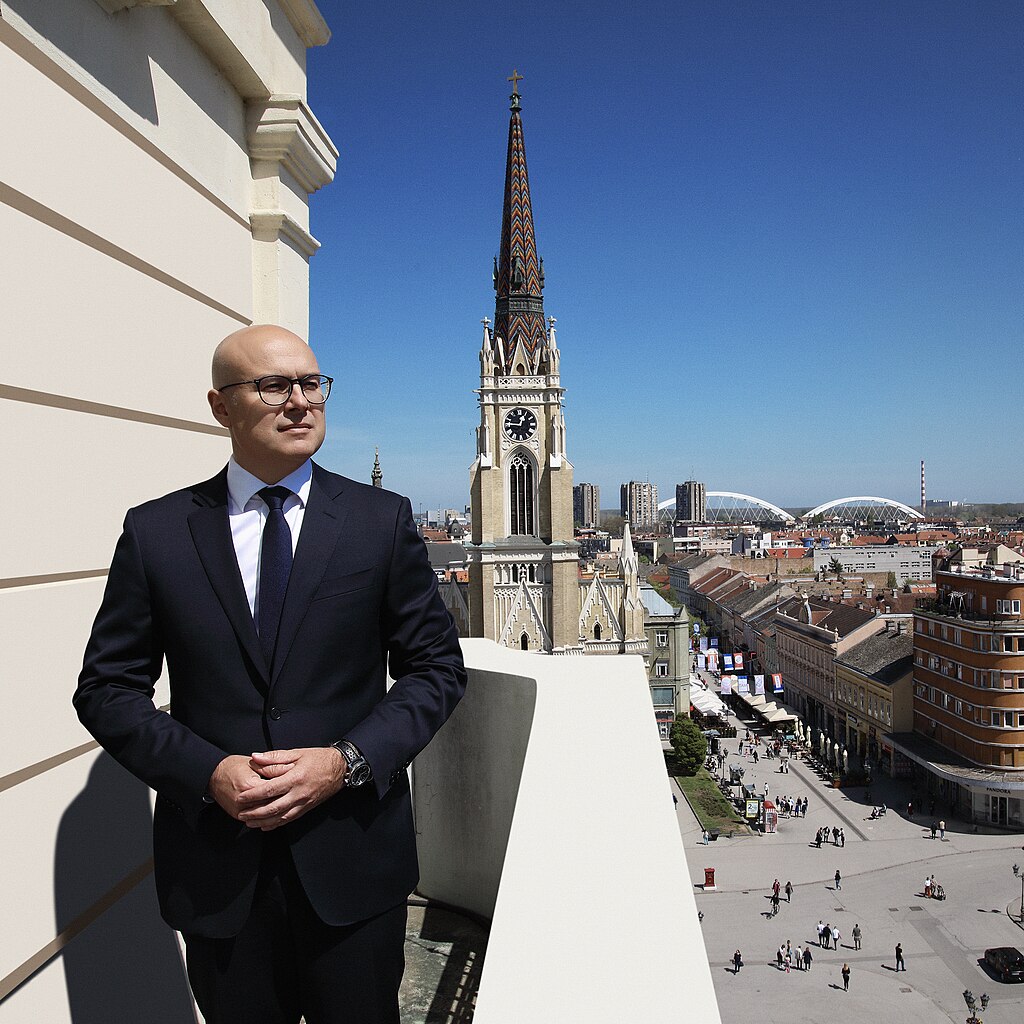
Serbian President Aleksandar Vucic is weighing a snap election in April after Prime Minister Milos Vucevic resigned amid mounting anti-government protests. His resignation follows a deadly railway station roof collapse in Novi Sad that killed 15 people in November, fueling public outrage.
The disaster sparked widespread demonstrations, growing from local protests into mass rallies in Belgrade. Protesters accuse Vucic’s government of corruption and negligence. Despite the resignations of key ministers, including the transportation and trade ministers, tensions remain high.
In a televised address, Vucic stated that his party would decide within 10 days whether to form a majority government or proceed with elections. "An interim government is out of the question," he declared, signaling a shift from his earlier stance after securing a decisive victory in the 2023 snap elections.
Students have played a leading role in the protests, with many rejecting the government’s efforts to calm the situation. "You were beating us and now you want to defuse tensions? See you in the streets again," student leader Lazar Stojakovic wrote on X.
Opposition groups, including Kreni-Promeni, are calling for an expert-led interim government, while urging opposition parties not to boycott potential elections. Accusations against Vucic’s Serbian Progressive Party (SNS) include voter manipulation, media suppression, and corruption—charges he denies.
Tensions escalated after three protesters in Novi Sad were attacked, allegedly by SNS members. A young woman sustained head injuries, leading to four arrests. Thousands of students gathered on Tuesday in response, condemning the violence and government inaction.
As Serbia navigates EU accession talks while balancing ties with Russia, Vucic's next move will be pivotal in shaping the nation’s political future.













