


 Taiwan Says Moving 40% of Semiconductor Production to the U.S. Is Impossible
  Nicaragua Ends Visa-Free Entry for Cubans, Disrupting Key Migration Route to the U.S.
  Trump Says “Very Good Talks” Underway on Russia-Ukraine War as Peace Efforts Continue
  Anutin’s Bhumjaithai Party Wins Thai Election, Signals Shift Toward Political Stability
  China Warns US Arms Sales to Taiwan Could Disrupt Trump’s Planned Visit
  Bangladesh Election 2026: A Turning Point After Years of Political Suppression
  Trump Administration Appeals Court Order to Release Hudson Tunnel Project Funding
  US Pushes Ukraine-Russia Peace Talks Before Summer Amid Escalating Attacks
  Federal Judge Restores Funding for Gateway Rail Tunnel Project
  Japan Election 2026: Sanae Takaichi Poised for Landslide Win Despite Record Snowfall
  Sydney Braces for Pro-Palestine Protests During Israeli President Isaac Herzog’s Visit
  Trump Lifts 25% Tariff on Indian Goods in Strategic U.S.–India Trade and Energy Deal
  China Overturns Death Sentence of Canadian Robert Schellenberg, Signaling Thaw in Canada-China Relations
  Ohio Man Indicted for Alleged Threat Against Vice President JD Vance, Faces Additional Federal Charges
  Israel Approves West Bank Measures Expanding Settler Land Access
  Trump’s Inflation Claims Clash With Voters’ Cost-of-Living Reality


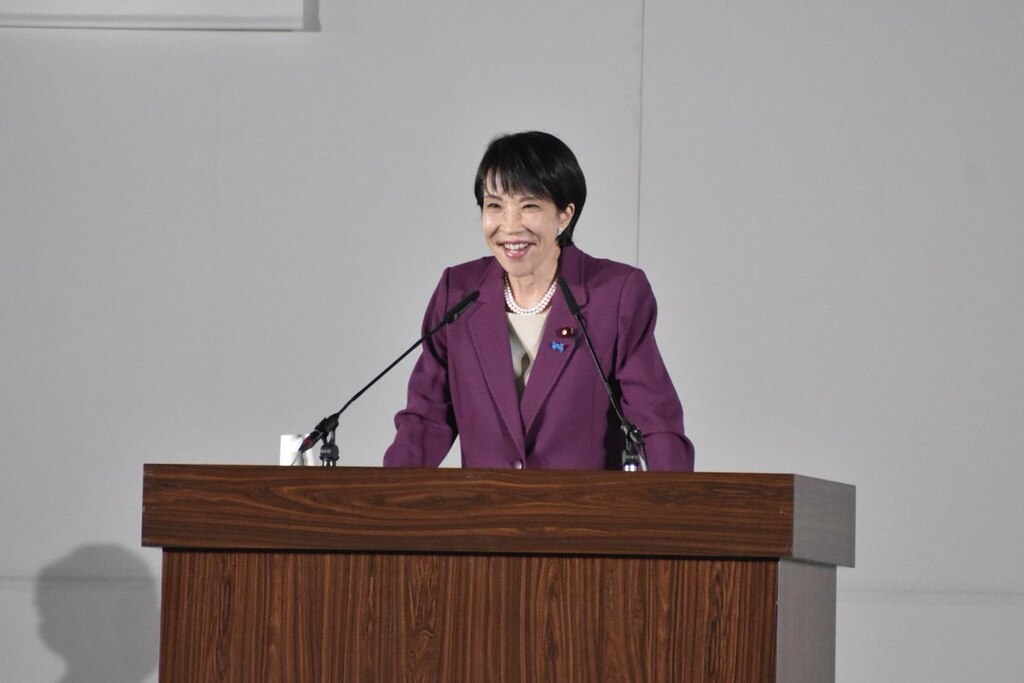
Sanae Takaichi has emerged victorious in the leadership race for Japan’s ruling Liberal Democratic Party (LDP), setting the stage for her to become the nation’s first female prime minister. The 64-year-old politician, inspired by former British leader Margaret Thatcher, now faces the challenge of winning parliamentary approval to officially take office. Although the LDP remains Japan’s largest political party, recent electoral setbacks mean Takaichi’s confirmation as prime minister is not guaranteed.
Takaichi’s win marks a significant milestone in Japan’s male-dominated political landscape. Known for her conservative and nationalistic stances, she regularly visits the controversial Yasukuni Shrine and advocates for revising Japan’s pacifist constitution to strengthen its military role. Her proposal to form a “quasi-security alliance” with Taiwan could strain ties with China, while her plan to renegotiate trade terms with the United States may impact global markets.
A self-described fiscal dove and loyal follower of the late Shinzo Abe, Takaichi supports Abenomics-style policies emphasizing stimulus spending and tax cuts. She has criticized the Bank of Japan’s recent interest rate hikes, arguing that they could slow recovery and burden households already coping with rising living costs. Her approach may unsettle investors concerned about Japan’s soaring public debt.
Despite pledging to promote more women in government, Takaichi’s socially conservative positions—such as opposition to same-sex marriage and separate surnames for married couples—have drawn criticism. Her populist remarks about curbing unruly foreign tourists in her hometown of Nara have also sparked debate.
A former economic security and interior minister, Takaichi’s journey from an independent lawmaker in 1993 to Japan’s most powerful political figure highlights her persistence and ambition. As she prepares to host former U.S. President Donald Trump in Japan, the world watches how she will balance diplomacy, economic reform, and her conservative ideology.













