


 Stellantis Q2 Vehicle Shipments Rise 10% as North America Drives Growth
  Australia Flags Child Safety Gaps at Apple, Meta, Google Over Online Sexual Extortion
  SK Hynix Prices Record U.S. ADR Offering at $149 After $200 Billion Investor Demand
  Nvidia Tightens AI Chip Sales in Asia With Stricter Customer Approval Process
  Levi Strauss Raises 2026 Outlook After Q2 Earnings Beat, Shares Drop Despite Strong Results
  Fast Retailing Raises Full-Year Forecast After Uniqlo Owner Beats Q3 Profit Estimates
  Mastercard Explores Sale of Majority Stake in UK Payments Firm Vocalink: Report
  Yaskawa Electric Shares Slide as Weak Profit Overshadows Strong AI Demand
  Goldman AM Sees Strong Buyout Opportunities in Japan, South Korea and Australia
  SK Hynix Soars 13% in Nasdaq Debut After Record $26.5 Billion IPO
  Genesis Minerals to Acquire Vault in A$5.6 Billion Deal After Regis Withdraws
  Apple Sues OpenAI, Former Employees Over Alleged Trade Secret Theft
  Morgan Stanley Says China’s Reusable Rocket Progress Poses Long-Term Challenge to SpaceX
  AstraZeneca Shares Sink After Wainua Trial Misses Key Heart Disease Goal
  UBS Starts CarTrade Tech With Buy Rating, Sees Strong Earnings Growth and ₹4,000 Target
  DOJ Grand Jury Investigates UAW President Shawn Fain Ahead of Union Election
  Samsung to Launch First Yongin Chip Plant by 2029 as South Korea Speeds Up Semiconductor Hub


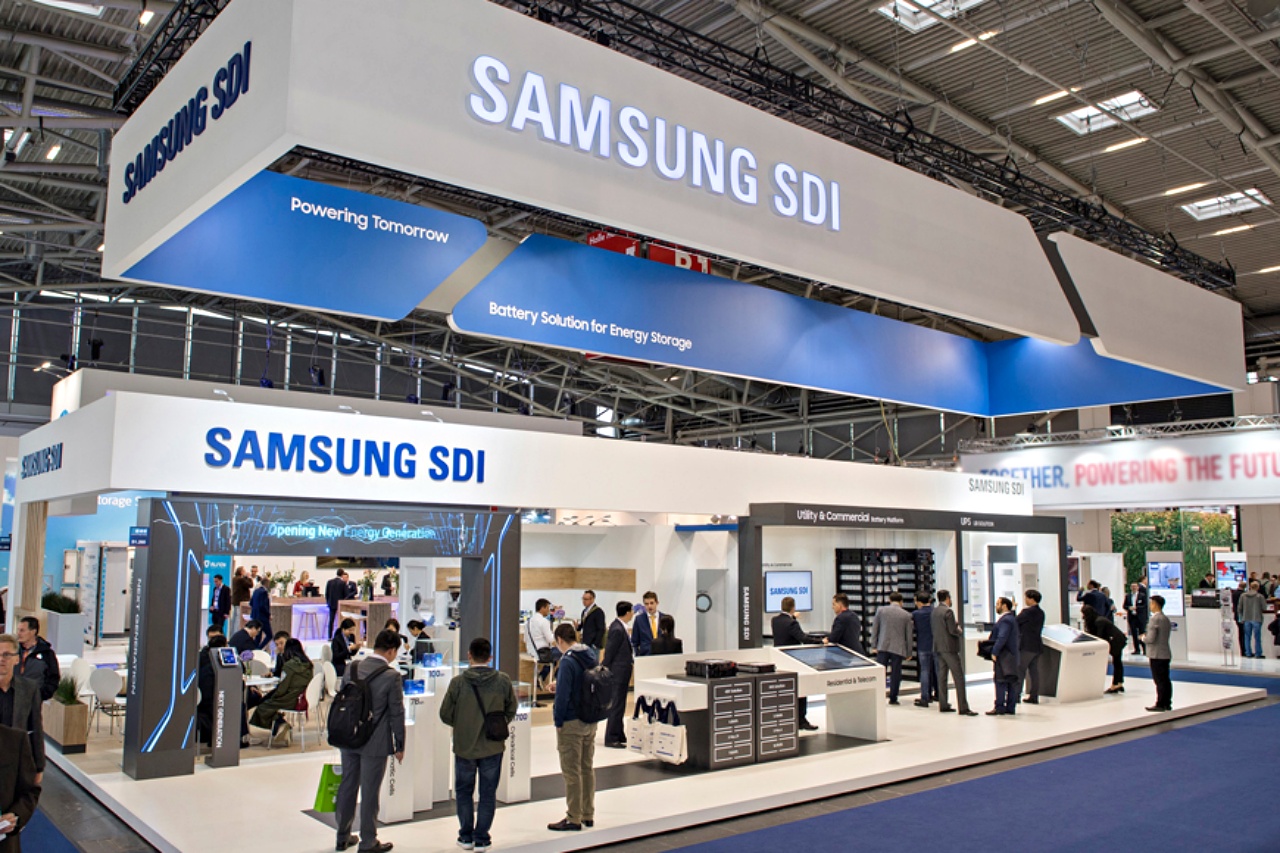
Samsung SDI announced that its U.S. subsidiary, Samsung SDI America, has signed a multiyear agreement to supply lithium iron phosphate (LFP) batteries to a major U.S.-based energy infrastructure company. The deal, valued at more than 2 trillion won (approximately $1.36 billion), marks a significant step in the company’s strategy to expand its footprint in the fast-growing energy storage system (ESS) market. Deliveries under the contract will begin in 2027 and continue for three years, reinforcing Samsung SDI’s long-term commitment to supporting clean energy solutions in the United States.
Although the customer’s identity was not disclosed, Samsung SDI described the partner as a leading developer and operator of energy infrastructure. The announcement sparked strong investor interest, with Samsung SDI shares climbing as much as 6.1% in morning trading, even as the KOSPI index slipped 0.1%. The surge reflects market confidence in the rising demand for ESS batteries, especially as global data centers, renewable energy projects, and grid stabilization efforts require more efficient and reliable storage solutions.
The LFP batteries involved in the contract will be produced using converted prismatic cell production lines at Samsung SDI’s U.S. facility. This shift aligns with the company’s broader strategy to adapt its manufacturing capabilities in response to evolving market conditions, including the transition away from certain U.S. subsidies for electric vehicle batteries. By repurposing EV battery production equipment for ESS applications, Samsung SDI aims to strengthen its competitiveness and capture new opportunities in the energy storage sector.
Samsung SDI, which already operates a joint venture EV battery plant with Stellantis in the United States, emphasized that ESS batteries share similar chemistry with automotive batteries, making the production transition efficient. As demand for renewable energy storage continues to grow, the company is positioning itself as a key supplier for next-generation power infrastructure.







