


 Nvidia Reportedly Eyes $13 Billion Hugging Face Acquisition
  Trump Administration Plans New Drug Pricing Deals With Biotech Firms
  Pinterest Stock Falls as CFO Julia Brau Donnelly Resigns
  Toyota Global Sales Fall as China Demand Slumps
  HP Stock Drops 9% Despite Q3 Earnings Beat and Raised 2026 Outlook
  Salesforce Shares Surge as AI Demand Powers Q2 Earnings Beat
  U.S. Probes Apex Logistics Over Nvidia AI Chip Shipments to China
  SoftBank Eyes $20 Billion Bond Sale to Refinance OpenAI Loan
  Jefferies Names AMEC Top China Semiconductor Equipment Pick
  Street Poller Media and The Boom of the Street Interview Ad Industry
  Nvidia Revenue Soars 106% as AI Demand Hits ‘Inflection Point’
  Google Changes EU Spam Policy Amid Antitrust Scrutiny
  Trump Buys SpaceX Shares After Record IPO
  SK Biopharmaceuticals Secures Global Rights to Biohaven Epilepsy Drug Opakalim
  Alibaba Raises $10.2 Billion to Expand AI Infrastructure
  PayPal Shares Sink as $50 Billion Takeover Bid Collapses
  New Zealand Labour Backs Social Media Ban for Under-16s


 Add as a preferred source on Google
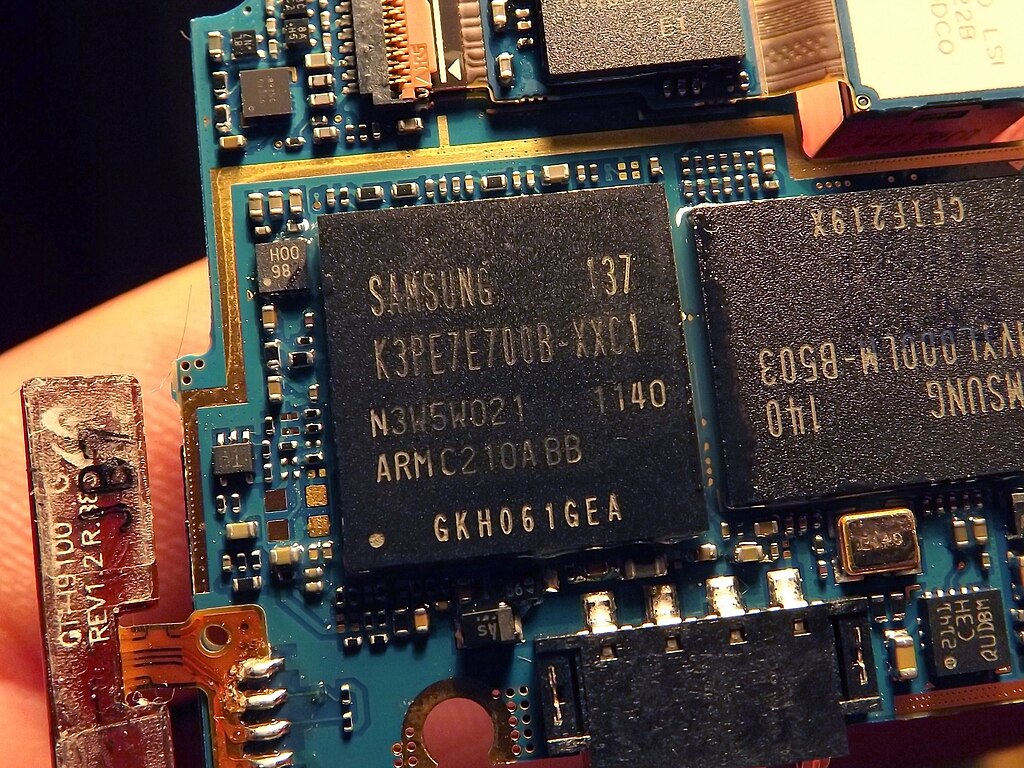
Samsung Electronics posted a 55% drop in second-quarter operating profit as delays in high-bandwidth memory (HBM) chip shipments and U.S. export restrictions on advanced semiconductor sales to China continued to weigh on its core chip business.
The world’s largest memory chip maker reported operating profit of 4.7 trillion won ($3.37 billion) for April–June, nearly matching its earlier estimate of 4.6 trillion won, which had already fallen short of market expectations. Revenue edged up 0.7% year-on-year to 74.6 trillion won, in line with its preliminary forecast.
The ongoing slump underscores growing investor concerns about Samsung’s competitiveness in next-generation HBM chips, crucial for artificial intelligence data centers and used by major clients like Nvidia (NASDAQ: NVDA). The company faces intensifying competition from smaller rivals that have gained traction in the AI-driven semiconductor market.
Adding a potential boost, Tesla (NASDAQ: TSLA) recently announced a $16.5 billion agreement to source chips from Samsung, a deal that could strengthen the South Korean giant’s foundry business, which manufactures semiconductors on contract.
Despite the revenue uptick, prolonged weakness in profitability highlights the challenges Samsung faces in regaining momentum in the rapidly evolving AI and semiconductor sectors. Industry analysts say its ability to accelerate HBM production and navigate U.S.-China export tensions will be key to reclaiming market leadership in the coming quarters.
Samsung’s performance is closely watched as a bellwether for global tech demand, particularly as AI-driven chip competition intensifies across the industry. Investors remain cautious but hopeful the Tesla partnership and potential recovery in chip demand could mark a turning point later this year.







