


 Burkina Faso and Mali’s fabulous flora: new plant life record released
  Swimming in the sweet spot: how marine animals save energy on long journeys
  Asian Currencies Hold Steady as Fed Outlook Offsets Middle East Tensions
  Trump Set to Unveil New Tariffs on Dozens of Countries as Global 10% Duty Nears Expiration
  Fungi are among the planet’s most important organisms — yet they continue to be overlooked in conservation strategies
  Australia ASIC Tightens Auditor Oversight After KPMG Leak Scandal
  GesiaPlatform Launches Carbon-Neutral Lifestyle App ‘Net Zero Heroes’
  Drug pollution in water is making salmon take more risks – new research
  Cathay Pacific Sees H1 Profit Surge on Strong Travel Demand
  Parasites are ecological dark matter – and they need protecting
  South Korea’s Coupang Fine Sparks U.S. Criticism, Raising Concerns Over Bilateral Ties
  Ryanair Warns Summer Airfares May Stay Lower as Quarterly Profit Misses Estimates
  An unexpected anomaly was found in the Pacific Ocean – and it could be a global time marker
  Hong Kong AI Stocks Rally as Moonshot AI’s Kimi K3 Launch Boosts Market Optimism
  US Dollar Climbs to Weekly High as Middle East Tensions Lift Treasury Yields and Safe-Haven Demand
  The UK is surprisingly short of water – but more reservoirs aren’t the answer


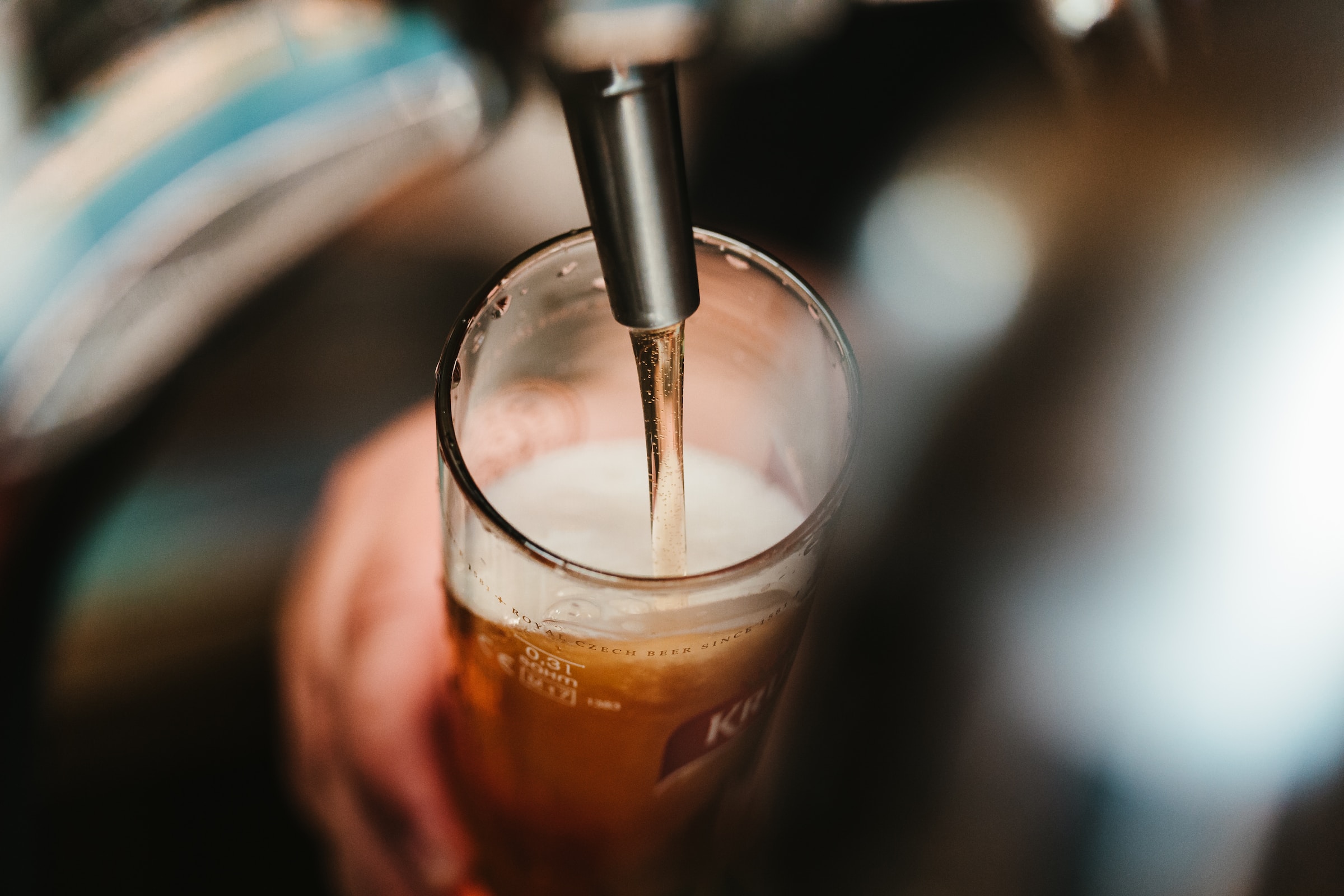
Oriental Brewery (OB) is leading the way towards sustainability by integrating solar power panels at its Gwangju production facilities, becoming the first Gwangju brewery to harness green energy for beer production.
Installing solar power panels is part of OB's commitment to its RE100 plan, which aims to transition to renewable energy sources. RE100 is a global initiative encouraging companies to convert 100 percent of their electricity consumption to renewable energy.
Completing the photovoltaic facility at the Gwangju plant marks a significant milestone for OB. It is expected to serve as a springboard for the company to achieve its goal of using 100 percent renewable energy by 2025.
OB's CEO, Ben Verhaert, expressed optimism about the transition, stating, "As a leading ESG (environmental, social, and corporate governance) company in the liquor industry, we will not only implement a renewable energy provision plan at a rapid pace but also actively respond to the climate crisis by advancing our eco-friendly management."
The solar panels installed at the Gwangju plant have a total capacity of 2.6 megawatts, producing 3.7 gigawatts of electricity annually. This equals about 11 percent of the plant's current power consumption. Using solar energy, OB estimates a yearly reduction of approximately 1,709 tons of carbon emissions in Gwangju alone.
OB plans to adopt solar panels at its two other plants in Icheon, Gyeonggi Province, and Cheongju, North Chungcheong Province, by the first quarter of 2024.
Once the installation of solar power generation facilities at OB's three plants is completed, the company expects to generate approximately 10 gigawatts per hour of solar energy annually. This amount is projected to replace 11 percent of the company's total power consumption in South Korea.
In addition to the green initiative, OB recently achieved recognition for its global quality standards. The International Taste Institute honored OB Beer's seven brands, including Cass Fresh, Hite, Cass Light, Cass 0.0, Cass White, OB Lager, and OMG. The brands collectively received 13 stars, affirming their superior taste and quality.
Photo: BENCE BOROS/Unsplash







