


 Iran Proposes Strait of Hormuz Reopening Deal Amid Stalled U.S. Talks
  U.S. Consumer Sentiment Hits Record Low as Iran Conflict Fuels Inflation Concerns
  Toyota Global Vehicle Sales Decline in March Amid RAV4 Transition and Middle East Slowdown
  Brazil Blocks Prediction Market Platforms, Tightens Derivatives Trading Rules
  Brazil Pension Fund Crackdown After Banco Master Collapse Raises Investment Concerns
  China’s Ultra-Cheap EV Boom: Why Electric Cars Cost Far Less Than in the U.S.
  BOJ Rate Decision in Focus as Yen, Inflation, and Nikkei Hang in Balance
  SMC Corp Stock Surges as Palliser Capital Pushes for Major Share Buyback
  Chip Stocks Rally on AI Optimism as Oil Price Surge Adds Market Tension
  Brazil Current Account Deficit Widens in March as FDI Misses Expectations
  Lightelligence IPO Soars Over 400% in Hong Kong Debut Amid Rising AI Investment Demand
  Google Secures Pentagon AI Deal for Classified Projects
  European Stocks Slip as U.S.-Iran Tensions and Earnings Season Weigh on Markets
  Dollar Holds Firm as Middle East Tensions and Central Bank Decisions Keep Markets on Edge
  Chinese Chip Stocks Surge on AI Boom and Domestic Tech Push
  U.S. Budget Airlines Seek $2.5 Billion Government Aid Amid Rising Jet Fuel Costs


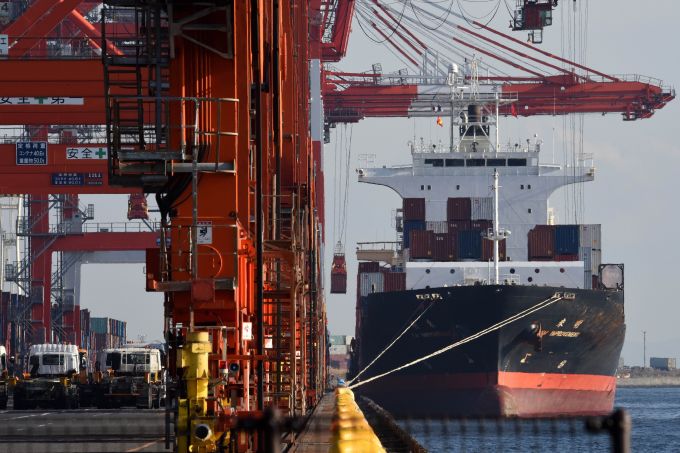
South Korea's exports rose 28.7 percent on year in the first 10 days of May to $16.1 billion from $12.5 billion a year earlier on the back of demand for chips and petroleum products.
However, the trade deficit widened over high global energy prices, customs data showed Wednesday.
According to figures from the Korea Customs Service, imports increased 34.7 percent year over year to $19.78 billion, resulting in a $3.72 billion trade imbalance over the period. According to the figures, the similar sum for last year was $2.21 billion.
South Korean benchmark Dubai crude has risen to $106.06 a barrel on average this month, up from $65.06 a year ago.
According to the data, South Korea relies on imports for the majority of its energy needs, and crude oil and gas imports increased 53.7 percent and 52.7 percent year over year in the first ten days of May, respectively.







