


 Asian Stocks Slip as Oil Prices Surge and Fed Signals Inflation Risks
  Trump Signals Prolonged Blockade Strategy Against Iran Amid Rising Tensions
  Standard Chartered Q1 Profit Hits Record on Wealth and Investment Banking Growth
  Dollar Strengthens as US-Iran Tensions and Central Bank Decisions Drive Currency Markets
  OpenAI Faces Revenue Pressure and User Growth Challenges Ahead of IPO
  BOJ Governor Kazuo Ueda Hints at Rate Hike as Inflation Pressures Build
  Amazon Stock Dips Despite Record Earnings as AI Infrastructure Spending Surges
  Kevin Warsh Advances Toward Fed Chair Role Amid Political Tensions
  Microsoft Azure Growth Forecast Beats Expectations Amid Rising AI Competition
  Nippon Express Stock Jumps as Elliott Investment Signals Strong Foreign Interest in Japan Logistics Sector
  China’s Ultra-Cheap EV Boom: Why Electric Cars Cost Far Less Than in the U.S.
  Australia Targets Meta, Google, and TikTok With New News Payment Tax Proposal
  US-Iran Conflict Escalates Amid Oil Blockade and Rising Global Tensions
  Trump Urges Iran to Sign Nuclear Deal Amid Ongoing Conflict and Port Blockade
  Samsung Reports Record Profit as AI Boom Drives Memory Chip Demand
  Dollar Holds Near Two-Week High as Fed Hawkish Shift Lifts Yields, Yen Near Intervention Zone
  Iraq Reaffirms Commitment to OPEC as UAE Exits Amid Global Energy Tensions


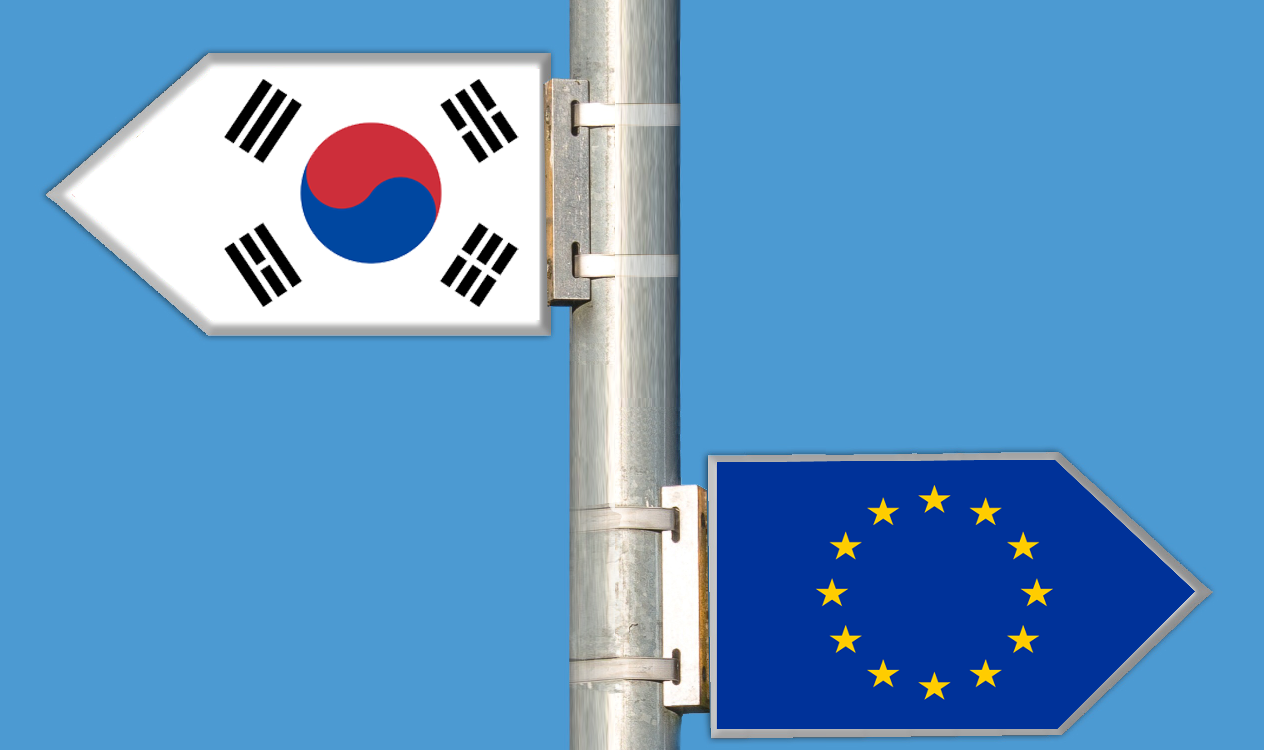
South Korea's businesses complained that the EU’s carbon border tax would lead to unfair double taxation as the country has already adopted its cap-and-trade system.
The Federation of Korean Industries (FKI), which represents over 400 businesses, had requested the EU to exempt South Korea from its tariff plan, dubbed Carbon Border Adjustment Mechanism.
The FKI, which added that it could grow into a new type of trade protectionism, has yet to receive a response from the EU.
The organization had not sent a similar request to the US, which is still in the early stages of planning.
Last month, the EU put forward plans to levy on importations by economies with laxer climate rules from 2026. US lawmakers followed suit, floating plans of including the tariff as part of a $3.5 trillion budget reconciliation bill.
Cho Gyeong-lyeob, the chief economist at the Korea Economic Research Institute, noted that South Korea's energy-intensive industries, such as steel and cement, are set to suffer if the carbon border tax is levied in a coercive manner.
The Bank of Korea (BOK) pinpointed the country's autos and shipbuilding industry to be hit most by the tariffs, with the steel industry next.
Cho added that the pace of cutting back industrial carbon emissions has to be in line with the development of green technologies, which could reduce emissions costs.
If both the EU and the US levy carbon border taxes, South Korea’s outbound shipments would shed 1.1 percent, or $7.1 billion, every year, according to the BOK.
The EU’s charge of $50 per ton of carbon dioxide emissions would cost South Korea’s exports $3.2 billion annually. If the US adopts the same $50 rule, the tariff would cost an additional $3.9 billion every year.
The tax could also eliminate South Korea's cost advantage in manufacturing and affect its trade ties with China, which is expected to be heavily hit by the tax rules as the world’s largest greenhouse gas emitter.
The BOK noted that if the US and EU take into account the cap-and-trade system, which currently levies $15 for every ton of emissions, the tax would be cut by $35 per ton. That means South Korea’s annual exports would only shed 0.7 percent.







