


 Luxshare Shares Rise as First-Half Profit Jumps 18%
  Alibaba Raises $10.2 Billion to Expand AI Infrastructure
  Nvidia Eyes Perplexity Investment at $30 Billion Valuation
  Xiaomi Unveils Xring O3 Chip for Flagship Foldable Phone
  U.S. Disrupts China-Linked Hacking Campaign Targeting Government Agencies
  Unitree Shares Plunge 45% After Blockbuster IPO, Raising China Tech Bubble Fears
  SoftBank Eyes $20 Billion Bond Sale to Refinance OpenAI Loan
  New Zealand Moves to Ban Social Media for Children Under 16
  New Zealand Labour Backs Social Media Ban for Under-16s
  PayPal Shares Sink as $50 Billion Takeover Bid Collapses
  Trump Buys SpaceX Shares After Record IPO
  Meta Agrees to $18 Billion Settlement, Tightens Teen Social Media Rules
  Salesforce Shares Surge as AI Demand Powers Q2 Earnings Beat
  Countries Tighten Social Media Bans for Children
  BofA Names ASML Top Semiconductor Equipment Pick on Growth, Valuation


 Add as a preferred source on Google
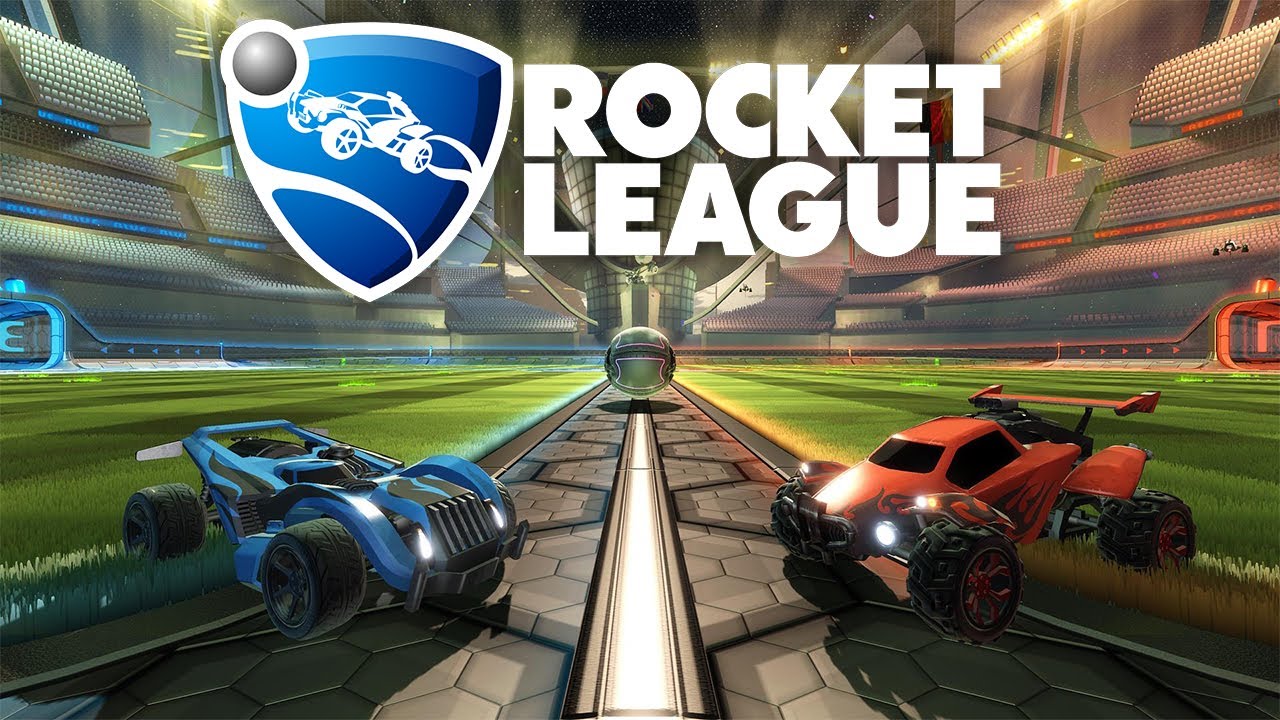
“Rocket League” is nothing short of a phenomenon right now, with over 15 million users playing the game in the PS4, Xbox One, and the PC. Speaking to Forbes, the vice president of Psyonix, Jeremy Dunham reported that their hit title has earned them $110 million in revenue. This makes the race car/football mashup one of the most successful video game titles of all time, certainly in indie game circles.
“Rocket League” is actually a sequel to another game by Psyonix, with the first one being “Supersonic Acrobatic Rocket-Powered Battle-Cars.” Of course, the prequel saw nowhere near the success of the sequel, but it does highlight what indie video game makers go through in order to strike it big.
As or “Rocket League,” the game was first introduced on “PlayStation Plus” where it was initially free-to-play. Dunham credited the service for allowing players to connect with the game and spread awareness through word of mouth.
“Thanks to PlayStation Plus at launch, those numbers are really front-loaded in the beginning,” he said to Forbes.
The game’s numbers are not falling yet either, as is normally the case with games that have been out this long. As such, it’s reasonable to expect that the game will see a few million more users before it’s done.
Among the reasons for the phenomenal success of the game is the quality of its downloadable content (DLC) and support. According to Dunham, the only DLCs that need to be paid for are cosmetic in nature and won’t have any real effect on the game itself. The DLCs that are free, of which there are many, are the ones that will have an effect during matches. This keeps the playing field even for all players, which is why the fans are so dedicated to the game and the company.
“We just want people to have options, where they can buy things that they think look cool that don’t negatively or positively affect their gameplay experience,” Dunham says.







