


 MediaTek Shares Jump 10% on Nvidia’s $3.5 Billion Investment
  SoftBank Eyes $20 Billion Bond Sale to Refinance OpenAI Loan
  MongoDB Stock Sinks 14% as Atlas Growth Misses Expectations
  BofA Names ASML Top Semiconductor Equipment Pick on Growth, Valuation
  Apple’s Phil Schiller Steps Back as Leadership Shake-Up Accelerates
  OpenAI Nears Astra AI Model Launch With Safety Focus
  Pinterest Stock Falls as CFO Julia Brau Donnelly Resigns
  SpaceX Mobile Network Could Cost Up to $130 Billion, Bernstein Says
  HP Stock Drops 9% Despite Q3 Earnings Beat and Raised 2026 Outlook
  Lenovo Shares Fall After Dropbox Security Breach Exposes ID Vulnerability
  OpenAI Rejects Apple Trade Secret Theft Claims
  Google Changes EU Spam Policy Amid Antitrust Scrutiny
  PayPal Shares Sink as $50 Billion Takeover Bid Collapses
  U.S. Probes Apex Logistics Over Nvidia AI Chip Shipments to China
  Microsoft to Reveal Azure Revenue in Major Reporting Shake-Up
  U.S. Disrupts China-Linked Hacking Campaign Targeting Government Agencies
  Nvidia Revenue Soars 106% as AI Demand Hits ‘Inflection Point’


 Add as a preferred source on Google
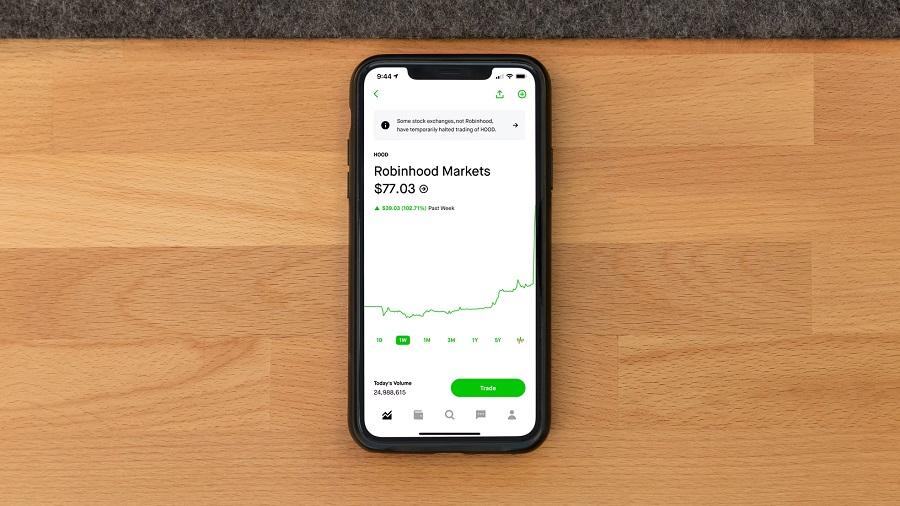
Robinhood confirmed earlier this week that it suffered a “data security incident” allowing hackers to obtain millions of email addresses and full names. It now appears that the hackers may have also gained access to an internal tool that they can use to change account settings remotely.
Screenshots proving that hackers got into a Robinhood internal tool that can tweak user accounts were obtained by Motherboard a few days after the company confirmed the data breach. The publication says the screenshots came from someone claiming to be a “proxy” for the hackers. One of the screenshots attached in the report, though most of its content was redacted for obvious reasons, shows a panel of “Login Controls” with options to use for altering account settings.
The tool shows the user’s preferred method of login authentication. Based on the obtained screenshot, anyone who has access to the Robinhood internal tool in question can use it to disable MFA or multi-factor authentication, add a trusted device, log out an account, or even “revoke” a password.
The page also contains detailed user activity with lists of the token hash, device ID, device type, location, and IP addresses used per session. The same screenshot shows that the tool could give remote access to other sensitive information, such as a Robinhood user’s buying power, balances, and tax info. The same page also contains an account holder’s username, email address, and phone number with indicators if they have been verified.
“Certain authorized Robinhood employees have the ability to update accounts as necessary to provide customer support or service accounts, as is standard at most financial institutions and platforms,” the company told Motherboard. Robinhood also said its investigation shows the hackers did not use the hacked tool to tweak any user account.
The release of the screenshots happened just a few days after Robinhood confirmed the hacking incident. The data breach occurred “late in the evening” on Wednesday, Nov. 3, by using a “socially engineered” customer support staff, which was then used to access the company’s customer support systems.
In an announcement on Monday, Robinhood said the hackers obtained five million email addresses and two million full names. “We also believe that for a more limited number of people—approximately 310 in total—additional personal information, including name, date of birth, and zip code, was exposed, with a subset of approximately 10 customers having more extensive account details revealed.”
Photo by Andrew Neel on Unsplash







