


 Japan Economy Poised for Q4 2025 Growth as Investment and Consumption Hold Firm
  Oil Prices Slip as U.S.-Iran Talks Ease Middle East Tensions
  Netanyahu to Meet Trump in Washington as Iran Nuclear Talks Intensify
  Antonio José Seguro Poised for Landslide Win in Portugal Presidential Runoff
  Bank of Japan Signals Readiness for Near-Term Rate Hike as Inflation Nears Target
  India–U.S. Interim Trade Pact Cuts Auto Tariffs but Leaves Tesla Out
  Israel Approves West Bank Measures Expanding Settler Land Access
  U.S.-India Trade Framework Signals Major Shift in Tariffs, Energy, and Supply Chains
  U.S. Stock Futures Slide as Tech Rout Deepens on Amazon Capex Shock
  Trump’s Inflation Claims Clash With Voters’ Cost-of-Living Reality
  Australian Household Spending Dips in December as RBA Tightens Policy
  Indian Refiners Scale Back Russian Oil Imports as U.S.-India Trade Deal Advances
  Gold and Silver Prices Slide as Dollar Strength and Easing Tensions Weigh on Metals
  Bangladesh Election 2026: A Turning Point After Years of Political Suppression
  China Warns US Arms Sales to Taiwan Could Disrupt Trump’s Planned Visit
  US Pushes Ukraine-Russia Peace Talks Before Summer Amid Escalating Attacks


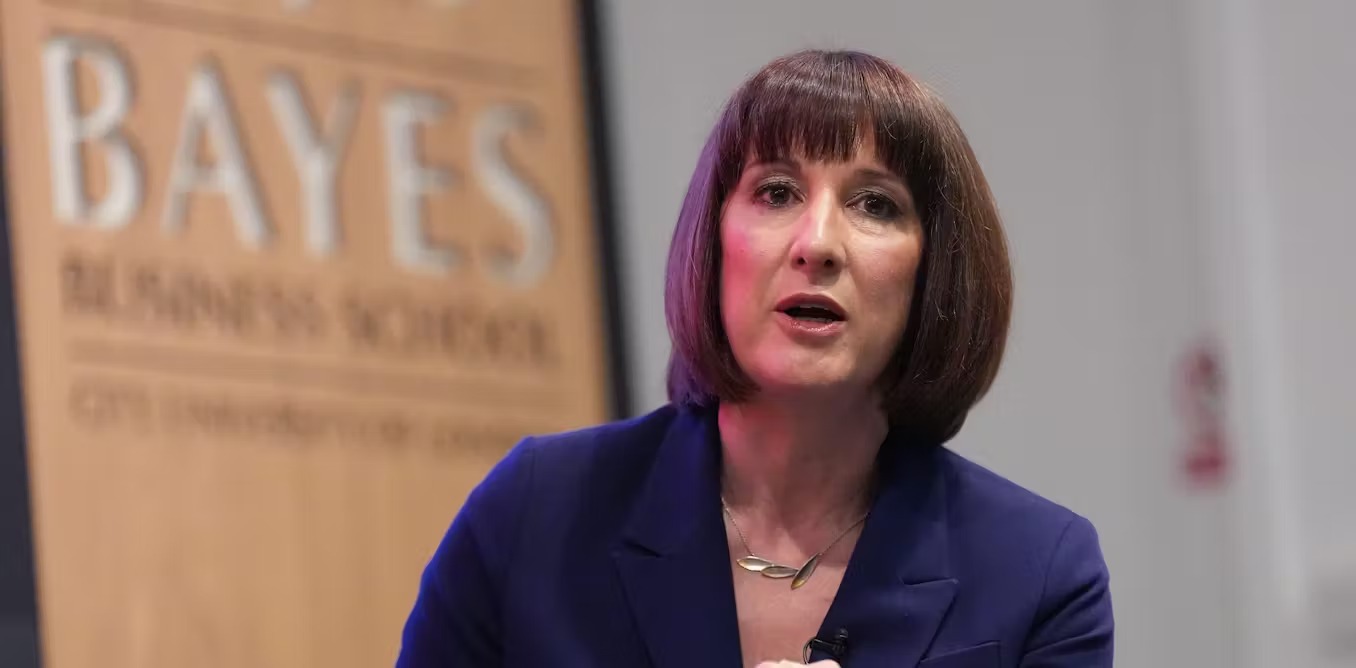
British Finance Minister Rachel Reeves has pushed back against accusations that she misled the public over key economic forecasts ahead of this month’s budget, insisting she was transparent about the need to strengthen the country’s fiscal position. The controversy stems from a November 4 speech in which Reeves warned of “weaker than previously thought” productivity, a message critics say appeared to prepare voters for the possibility of Labour breaking its pre-election pledge not to raise income tax.
The Office for Budget Responsibility (OBR), the UK’s independent fiscal watchdog, later clarified in a letter that the productivity downgrade Reeves referenced had been offset by higher real wages and inflation—factors she did not publicly highlight. According to the OBR, confidential forecasts shared with the Treasury before Reeves’ speech showed the government held a £4.2 billion margin under its fiscal rules, even before accounting for upcoming budget measures or earlier welfare cuts.
Reeves defended her approach during a Sky News interview on Sunday, explaining that the projected buffer was “not enough” by historical standards and that her priority was building a stronger cushion to support economic stability. She argued that a larger safety margin was vital to give the Bank of England confidence to continue cutting interest rates, reinforcing her commitment to responsible fiscal management.
When Reeves unveiled the budget on November 26, her fiscal headroom had more than doubled—reaching £21.7 billion, significantly higher than the £9.9 billion outlined in her previous plan. Despite this improvement, the opposition Conservative Party has called for her resignation, claiming she distorted the economic outlook to justify policy shifts.
The debate highlights the growing political tension surrounding the UK’s economic strategy as the government seeks to balance fiscal discipline, public expectations, and long-term growth.













