


 Iran-Israel Missile Strikes Continue Amid Mixed Signals on U.S.-Iran Diplomacy
  Trump Backs Down on Iran Strikes After Gulf Allies Sound the Alarm
  Trump's Overhaul of American History: Museums, Monuments, and Cultural Institutions
  Asian Stocks Gain Amid Iran Conflict Uncertainty
  Israel Eyes Litani River as New Border Amid Escalating Lebanon Offensive
  Japan's Private Sector Growth Slows in March Amid Rising Costs and Middle East Uncertainty
  Bachelet Pushes Forward With UN Secretary-General Bid Despite Chile's Withdrawal
  Asian Currencies Stay Muted as Dollar Holds Firm Amid Iran Uncertainty
  Middle East War Rattles Global Markets as Oil Tops $100 and Dollar Surges
  Gold Prices Climb as Middle East Ceasefire Talks Stir Market Optimism
  Trump to Visit China in May for High-Stakes Xi Summit Amid Iran War
  Oil Prices Rebound as Iran Denies U.S. Talks Amid Gulf War Supply Fears
  US-Iran Ceasefire Talks Underway: What You Need to Know
  U.S. Futures Slide as Iran Denies Nuclear Talks with Washington
  Trump Seeks Quick End to U.S.-Iran Conflict Amid Ongoing Middle East Tensions
  Pakistan's Diplomatic Rise: Mediating U.S.-Iran Peace Talks


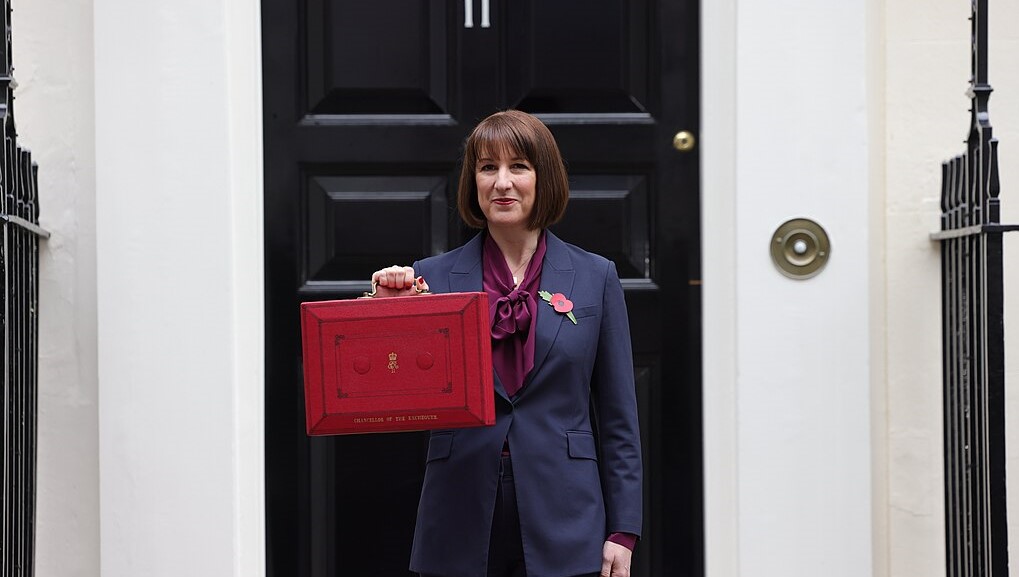
UK Chancellor Rachel Reeves has pushed back strongly against accusations that she misled the British public in the weeks leading up to the autumn statement, following scrutiny over a pre-budget speech she delivered on November 4. Her comments came during a weekend interview with Sky News, where she dismissed suggestions that her communication strategy was dishonest or intentionally vague.
Reeves’ November 4 speech drew attention not only because it came unusually early for a chancellor but also because she used it to rally public support for the government’s forthcoming budget plans. What has fueled questions since, however, is her choice not to restate Labour’s manifesto pledge ruling out broad-based tax increases. The omission has led to speculation that the government may be preparing the ground for more significant fiscal measures than previously signaled.
Critics argue that failing to reiterate that promise represents a shift in messaging and leaves room for policy adjustments that voters may not have anticipated. Some opposition figures and commentators suggested that this change in tone could indicate potential changes to tax policy, prompting accusations that Reeves was not being fully transparent.
Reeves forcefully rejected these claims, stating that she has been consistent and truthful in outlining the economic challenges facing the UK. She emphasized that the government’s priority remains economic stability and responsible fiscal management, especially at a time when the country continues to grapple with inflationary pressures and sluggish growth. According to Reeves, the purpose of her pre-budget speech was to prepare the public for realistic decision-making, not to signal hidden tax rises or contradict campaign commitments.
She added that the government remains committed to delivering a balanced approach that protects working families while supporting long-term economic recovery. Despite her reassurances, debates about the government’s fiscal intentions are expected to continue, as analysts and political observers closely watch the details of the upcoming autumn statement.













