


 Senate Sets December 8 Vote on Trump’s NASA Nominee Jared Isaacman
  Blue Origin’s New Glenn Achieves Breakthrough Success With First NASA Mission
  Blue Origin New Glenn Explosion Could Delay Launch Operations Until 2028
  Neuralink Expands Brain Implant Trials with 12 Global Patients
  Cogent Biosciences Soars 120% on Breakthrough Phase 3 Results for Bezuclastinib in GIST Treatment
  Is space worth the cost? Accounting experts say its value can’t be found in spreadsheets
  SpaceX Pivots Toward Moon City as Musk Reframes Long-Term Space Vision
  SpaceX’s Starship Completes 11th Test Flight, Paving Way for Moon and Mars Missions
  Eli Lilly’s Inluriyo Gains FDA Approval for Advanced Breast Cancer Treatment
  FDA Adds Fatal Risk Warning to J&J and Legend Biotech’s Carvykti Cancer Therapy
  Trump and Merck KGaA Partner to Slash IVF Drug Costs and Expand Fertility Coverage
  NASA Artemis II: First Crewed Moon Mission Since Apollo Takes Four Astronauts on 10-Day Lunar Journey
  Trump Administration to Launch Autism Initiatives Targeting Acetaminophen Use and New Treatment Options
  SpaceX Prioritizes Moon Mission Before Mars as Starship Development Accelerates


 Add as a preferred source on Google
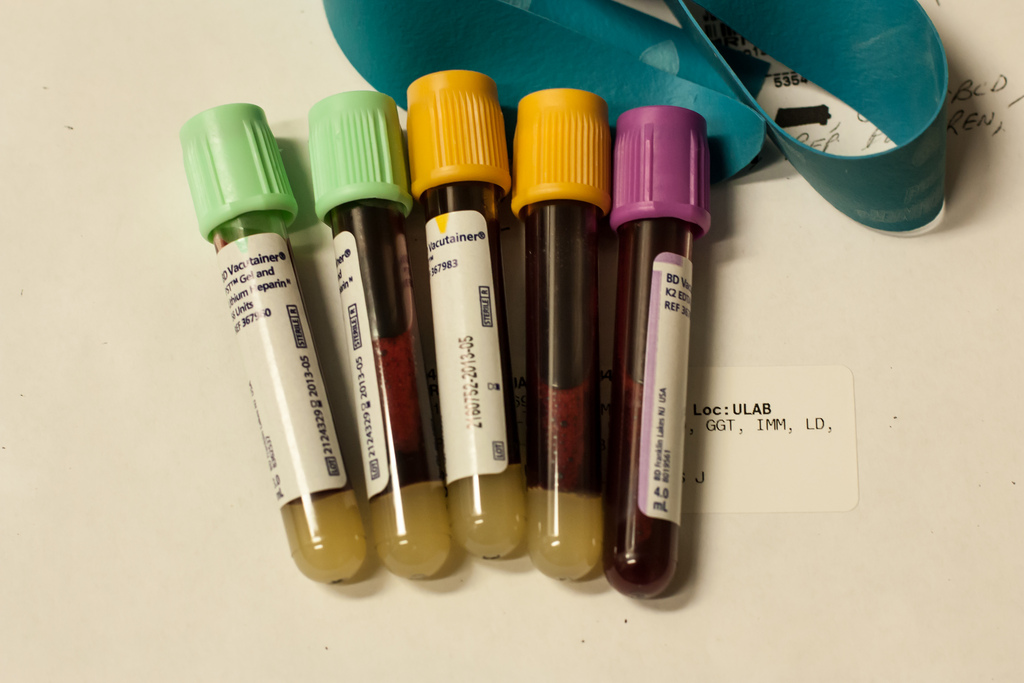
Autism remains one of the biggest mysteries in the medical industry right now, with the root cause still being unidentified. What’s worse is that early detection of the illness has been rather unreliable. This may soon change with two new tests developed by scientists, which make use of blood and urine to determine if a child has autism or not.
The study was done by researchers at the University of Warwick, who built on previous research that find a link between damaged protein found in blood plasma and the occurrence of autism. In the press release talking about the breakthrough, the researchers note how this could vastly improve detection of autism in children.
Leading the study is Dr. Naila Rabbani and according to her, the hope involving these new tests is being able to take the necessary steps for intervention early in the life of the patients with autism. They also hope to one discover the root cause of autism after building on these models.
"We hope the tests will also reveal new causative factors. With further testing, we may reveal specific plasma and urinary profiles or "fingerprints" of compounds with damaging modifications. This may help us improve the diagnosis of ASD and point the way to new causes of ASD," Dr. Rabbani said.
The tests themselves rely on differentiating chemical properties from the subjects using Artificial Intelligence, Futurism notes. The researchers basically took samples from two groups of children, one of which is healthy and the other being composed of patients suffering from autism.
For now, the only thing that current science is able to tell is that the samples are chemically different from each other. As a result, children tested to have the damaged protein are most likely to develop autism. By having subjects as young as toddlers who are two years of age tested, parents become better prepared to deal with the ensuing hardships to follow.







