


 Washington Post Publisher Will Lewis Steps Down After Layoffs
  OpenAI Expands Enterprise AI Strategy With Major Hiring Push Ahead of New Business Offering
  Federal Judge Restores Funding for Gateway Rail Tunnel Project
  Missouri Judge Dismisses Lawsuit Challenging Starbucks’ Diversity and Inclusion Policies
  SpaceX Pushes for Early Stock Index Inclusion Ahead of Potential Record-Breaking IPO
  South Korea Assures U.S. on Trade Deal Commitments Amid Tariff Concerns
  Nasdaq Proposes Fast-Track Rule to Accelerate Index Inclusion for Major New Listings
  India–U.S. Interim Trade Pact Cuts Auto Tariffs but Leaves Tesla Out
  Rio Tinto Shares Hit Record High After Ending Glencore Merger Talks
  U.S. to Begin Paying UN Dues as Financial Crisis Spurs Push for Reforms
  Trump Backs Nexstar–Tegna Merger Amid Shifting U.S. Media Landscape
  US Pushes Ukraine-Russia Peace Talks Before Summer Amid Escalating Attacks
  Trump’s Inflation Claims Clash With Voters’ Cost-of-Living Reality
  Trump Signs Executive Order Threatening 25% Tariffs on Countries Trading With Iran
  Trump Endorses Japan’s Sanae Takaichi Ahead of Crucial Election Amid Market and China Tensions
  Norway Opens Corruption Probe Into Former PM and Nobel Committee Chair Thorbjoern Jagland Over Epstein Links
  American Airlines CEO to Meet Pilots Union Amid Storm Response and Financial Concerns


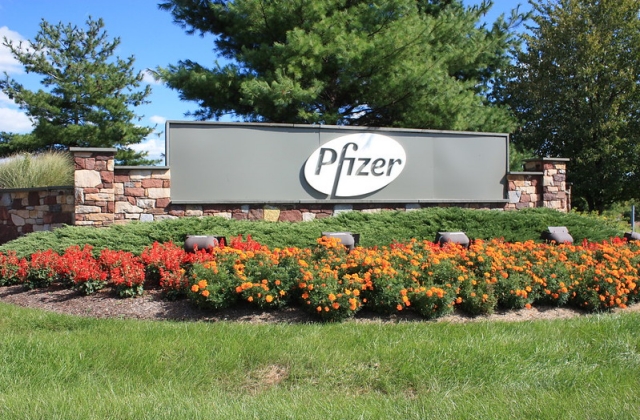
Pfizer and U.S. President Donald Trump announced a landmark agreement on Tuesday, under which the pharmaceutical giant will lower prescription drug prices in the Medicaid program to levels comparable to other developed nations. In exchange, Pfizer secured tariff relief on its products. The deal positions Pfizer as the first drugmaker to comply with Trump’s push to align U.S. drug prices with global standards.
Under the agreement, Pfizer committed to applying most-favored-nation pricing on all new drugs launched in the U.S. from 2026. Trump also introduced TrumpRx, a White House-backed direct-to-consumer drug platform set to launch the same year, allowing Americans to access discounted medications directly. This move follows Trump’s earlier threats to impose a 100% tariff on branded pharmaceutical imports unless manufacturers boosted U.S. production.
Pfizer will invest $70 billion in domestic research, development, and manufacturing, securing a three-year grace period from the planned tariffs. CEO Albert Bourla confirmed the company would relocate more production to the U.S., where it currently operates nine manufacturing facilities. The deal covers a range of therapies, including Xeljanz, Zavzpret, Eucrisa, and Duavee, with discounts averaging 50% and in some cases reaching up to 85%.
The announcement boosted investor confidence, sending Pfizer shares up more than 6% and lifting other drugmakers like Eli Lilly, Merck, and Amgen. Analysts noted that limiting concessions to Medicaid minimized the industry’s financial impact, since Medicaid drug spending—around $80 billion annually—is smaller than Medicare’s $216 billion.
Industry experts believe this agreement may pressure rivals such as AstraZeneca and Eli Lilly, who have already pledged U.S. manufacturing expansion, to follow suit. While patients in Medicaid stand to benefit, health economists stress that the broader impact would be far greater if similar price cuts extended to Medicare.
By securing tariff relief while offering targeted price cuts, Pfizer and Trump’s administration have crafted a deal that may reshape U.S. drug pricing strategies ahead of TrumpRx’s 2026 launch.













