


 U.S. Announces Additional $6 Million in Humanitarian Aid to Cuba Amid Oil Sanctions and Fuel Shortages
  Pentagon Ends Military Education Programs With Harvard University
  Japan Election 2026: Sanae Takaichi Poised for Landslide Win Despite Record Snowfall
  China Warns US Arms Sales to Taiwan Could Disrupt Trump’s Planned Visit
  Jack Lang Resigns as Head of Arab World Institute Amid Epstein Controversy
  Norway Opens Corruption Probe Into Former PM and Nobel Committee Chair Thorbjoern Jagland Over Epstein Links
  Ohio Man Indicted for Alleged Threat Against Vice President JD Vance, Faces Additional Federal Charges
  Trump Signs Executive Order Threatening 25% Tariffs on Countries Trading With Iran
  Iran–U.S. Nuclear Talks in Oman Face Major Hurdles Amid Rising Regional Tensions
  Trump Allows Commercial Fishing in Protected New England Waters
  Trump Allegedly Sought Airport, Penn Station Renaming in Exchange for Hudson River Tunnel Funding
  US Pushes Ukraine-Russia Peace Talks Before Summer Amid Escalating Attacks
  U.S.-India Trade Framework Signals Major Shift in Tariffs, Energy, and Supply Chains
  Netanyahu to Meet Trump in Washington as Iran Nuclear Talks Intensify
  TrumpRx.gov Highlights GLP-1 Drug Discounts but Offers Limited Savings for Most Americans
  India–U.S. Interim Trade Pact Cuts Auto Tariffs but Leaves Tesla Out
  Trump’s Inflation Claims Clash With Voters’ Cost-of-Living Reality


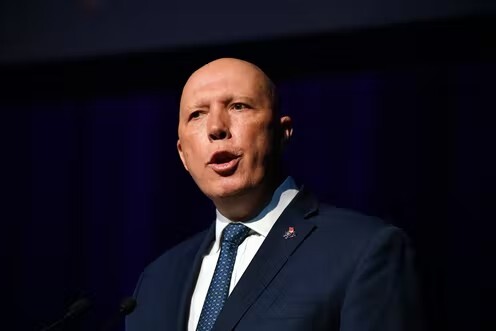
Australia’s opposition leader Peter Dutton has vowed to raise defence spending to 3% of GDP within a decade if elected, aiming to strengthen national security amid growing global tensions and pressure from the Trump administration for allies to spend more on defence.
Speaking in Western Australia, Dutton echoed former U.S. President Donald Trump’s stance, stating, “You don’t achieve peace through weakness.” He also pledged greater U.S. military access to northern Australia. The Liberal Party plans to invest A$21 billion ($13.41 billion) more than the ruling Labor government over five years, with defence spending hitting 2.5% of GDP initially, rising to 3% over ten years.
In contrast, Prime Minister Anthony Albanese’s Labor government has committed A$368 billion over 30 years through the AUKUS pact with the U.S. and U.K. to acquire nuclear-powered submarines, marking Australia’s largest-ever defence initiative. Labor also aims to increase defence spending by A$50 billion over a decade but announced no new allocations in this year’s federal budget. Forecasts show Labor’s defence spending reaching 2.33% of GDP by 2033–34.
Liberal defence spokesman Andrew Hastie criticized Labor’s handling of AUKUS, citing a recruitment crisis and urging investment in workforce training, particularly in Western Australia. He emphasized that Australia must prepare for self-reliance, especially with a potential second Trump presidency prioritizing “America First.”
Dutton argues the Liberals’ defence boost is financially viable, with their cost-of-living relief plans being temporary. Defence Minister Richard Marles responded that the government continues to assess the appropriate level of defence expenditure for Australia’s future.
As the May 3 election approaches, national security has become a key battleground, with both parties seeking to position themselves as best equipped to protect Australia’s strategic interests.













