


 Brown-Forman Rejects Sazerac’s $15 Billion Takeover Bid as Family Backs Independence
  Nvidia Eyes $250B Guarantee for OpenAI’s Massive Ohio AI Data Center Project
  Galp Shares Fall After Q2 EBITDA Miss Despite Profit Beat and Higher Dividend
  Standard Chartered Beats Profit Forecasts as First-Half Earnings Rise 9%
  AstraZeneca Q2 Earnings Beat Forecasts as Oncology Growth Supports 2026 Outlook
  Exosens H1 Profit Beats Forecasts as Defense Demand Drives Growth
  Zabka Shares Drop 10% as Seven & i Abandons Investment Plans
  Johnson & Johnson Proposes $5.5 Billion Talc Settlement to Resolve U.S. Ovarian Cancer Lawsuits
  Seagate Stock Jumps as AI-Fueled Earnings Beat and Strong FY2027 Outlook Impress Investors
  Rio Tinto Stock Jumps as Strong Earnings, Higher Dividend and AI Metal Demand Boost Outlook
  TSMC Gradually Restarts Japan Chip Plant After Kumamoto Earthquake
  Tech Stock Positioning Nears Neutral as Investor Rotation Enters Final Phase, Deutsche Bank Says
  Barclays Q2 Profit Beats Forecasts as Investment Banking Strength Offsets Higher Costs
  TeamViewer Shares Fall Despite Profit Growth as ARR and Customer Base Decline
  Philips Shares Slide 10% Despite Earnings Beat as Weak Orders Raise Growth Concerns
  Meta CEO Zuckerberg Opposes U.S. Ban on Chinese AI Models, Warns Against Overregulation
  CATL Shares Jump as $5.6 Billion Buyback Signals Confidence in Long-Term Growth


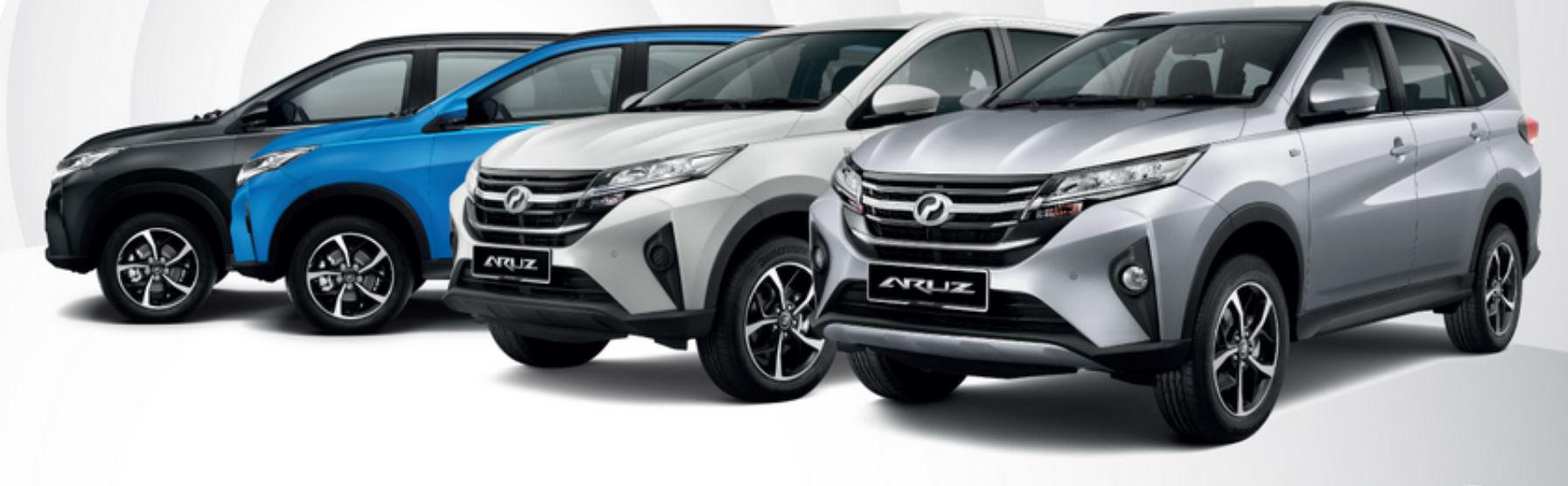
In a year that has been the worst for many automotive industries, to Perodua is a different story. Not only has Perodua made a new monthly sales record this month but it’s a continuation from the previous month. In September 2020, car sales new record hit 26,852 cars. This is after making its first triumph in October by delivering all-monthly sales record of 25,035 units. Adopting standard operating procedure and strictly observing laid rules is accredited for this.
By taking advantage of their auto economic system, Perodua managed to spur economies for their direct and indirect partners. Ultimately, the Perodua economy is now at another level. Suppliers, contractors, stockists and authorized dealers have benefitted immensely from Perodua actions.
In their 27-year history, Perodua models managed to make their entry into Malaysia’s top three best selling cars of 2020 in September. Fast delivery of customers’ orders and the commitment to promote the automotive ecosystem was largely the basis of these amazing results.
The aerodynamic and sleek exterior design, spacious interiors and engine performance are attributed to this growth.
Perodua Previous Monthly Sales and Year Predictions
Perodua monthly car sales have been consistently on the increase since. This trend can be traced back to 2019 after they closed a full-year sales record of 240,341 units, which was slightly above its self-set target of 231,000 units. As they celebrated that milestone, a new year record was on the set. The 2019 sales were more than the previous year by 5.8%. Again, its market share went up by 2% from 38% in 2018 to 40% in 2019.

Come 2020, Perodua is now on a higher status surpassing its main competitor the Proton. Being as optimistic as they are, their vision to clock a total industry volume of 610,000 units by 2020 is almost a dream come true. This will not come without a cost.
In their plans to improve manufacturing lines and manufacturing plants, Perodua is will spend RM1.08 billion in 2020 way far above from 2019 which saw them spent RM569.2 million.
By purchasing auto parts from local suppliers worth RM600 million in 2020 and producing 26,362 vehicles in October 2020, Perodua is proving to be in line with their vision.
Evidently, almost every Perodua model is taking the lead in its segment. Myvi, Alza, Bezza, Aruz, Axia where the hottest models in 2019 with each making significant sales. Just a year since the launch of Aruz, it’s now Malaysia’s best-selling SUV. 30,115 units have been moved so far.

In October this year, Perodua sold 6,895 Bezzas, 3,193 Aruz, 8,052 Myvis, 1,974 Alzas and 6,738 Axias.
The Automotive Ecosystem
Firstly, Perodua relies mostly on Daihatsu for its designs. Again, most of its vehicle parts are sourced from suppliers and contracts. Technology and data exchange in the auto industry is fast growing and corporation amongst the participants is at the highest point. The challenges to solve in this sector have multiplied and thus calling for more emphasis on the automotive ecosystem
Every auto company is fighting to have its cars emerge the winner in their segment. Unfortunately, third-party technocrats develop most of the technologies needed to place these cars on the top seats. Importing new technologies from Autotech developers, contracting auto parts manufactures and writing agreements with dealers is the new norm.
The automotive ecosystem is highly appreciated by those who need it most- auto part manufactures, dealers and manufactures. They all have a share in the ecosystem.
Perodua is a great beneficiary of these partnerships. From design to Malaysian auto dealers, Perodua has to source them. Majority of the fastest-growing automotive companies like Toyota, Honda and Mazda have thrived in growing automotive ecosystems.
To delivering orders fast, companies have resulted in contracting more dealers. And to meet the growing demand for cars, most vehicle manufactures have to source for vehicle parts.
In-vehicle connectivity and proper utilization of big-data are now referred to as the number one driving force behind the automotive ecosystem. New automotive startups like Intvo, V2X Network, ChargeX, RevitsOne and Launch Mobility cannot be forgotten these ecosystems are mentioned.
How the Local Automotive Ecosystem Influenced Perodua Sales
For Perodua to have their car models sell faster, they deployed a robust standard operating procedure. From their staff to the authorized dealers, everybody became an integral part of their company.
It takes time and research for automobile manufactures to launch a new design. To avoid this Perodua borrows most of its designs from Daihatsu. According to Wikipedia, Perodua neither engineers its car components nor designs. Instead, Daihatsu has a 20% stake in exchange for its designs.
By localizing its parts purchases and development of local human resources, Perodua has managed to increase the car production rate. Due to increased sales, they are expecting to purchase a part from local suppliers worth RM6 billion. For this reason, Malaysians have reciprocated by more of the Perodua cars and thus increasing sales.
In a surprising move by Perodua, the local content in their cars stands at 86%. But for the Myvi third generation, then new Bezza and Aruz, the local content is unbelievably 96%.

Some of their car prices are said to be below their average competitors. Being part of Toyota, the automotive ecosystem has played to their advantage. Any cheap part compatible with car models is sourced from them.
By Perodua investing a lot in the local automotive ecosystem, they have benefitted the most. Cheap local labour and parts have led to the production of affordable cars with a better test to the local consumers. The sense of ownership is also a key factor in the Peroduas’ increased sales.
Conclusion
Leave the hybrid sedans from Bentley and the superfast sporty cars by Ferrari to sing to their own tunes. Compact cars with a touch from the locals have their brand names now on the tower. Localization of the automotive system has laid the groundwork for this marketing strategy. The love for such cars is endless and Perodua has taken the full advantage of it.
This article does not necessarily reflect the opinions of the editors or management of EconoTimes







