


 Costco Revenue Beats Estimates as Inflation Drives Bulk Shopping
  How ongoing deforestation is rooted in colonialism and its management practices
  Wall Street Ends Flat as Oil, Treasury Yields and Fed Jitters Rattle Markets
  We combed through old botanical surveys to track how plants on Australia’s islands are changing
  U.S. 10-Year Treasury Yield Hits 2007 High as Fed Rate Hike Bets Rise
  RBI Uses $10 Billion Currency Swaps to Drain Excess Rupee Liquidity
  China Vanke Shares Jump as Beijing Moves to Ease Debt Pressure
  Burkina Faso and Mali’s fabulous flora: new plant life record released
  BMW 2028 Margin Target Could Fall Below Consensus, UBS Says
  Swimming in the sweet spot: how marine animals save energy on long journeys
  How America courted increasingly destructive wildfires − and what that means for protecting homes today
  Paramount-Warner Bros $110 Billion Deal Draws Antitrust Backlash
  Japan Private-Sector Growth Slows as Domestic Demand Weakens
  Goldman Sachs Names Simon Lyons UK Investment Banking Co-Head
  How is Antarctica melting, exactly? Crucial details are beginning to come into focus
  Drug pollution in water is making salmon take more risks – new research


 Add as a preferred source on Google
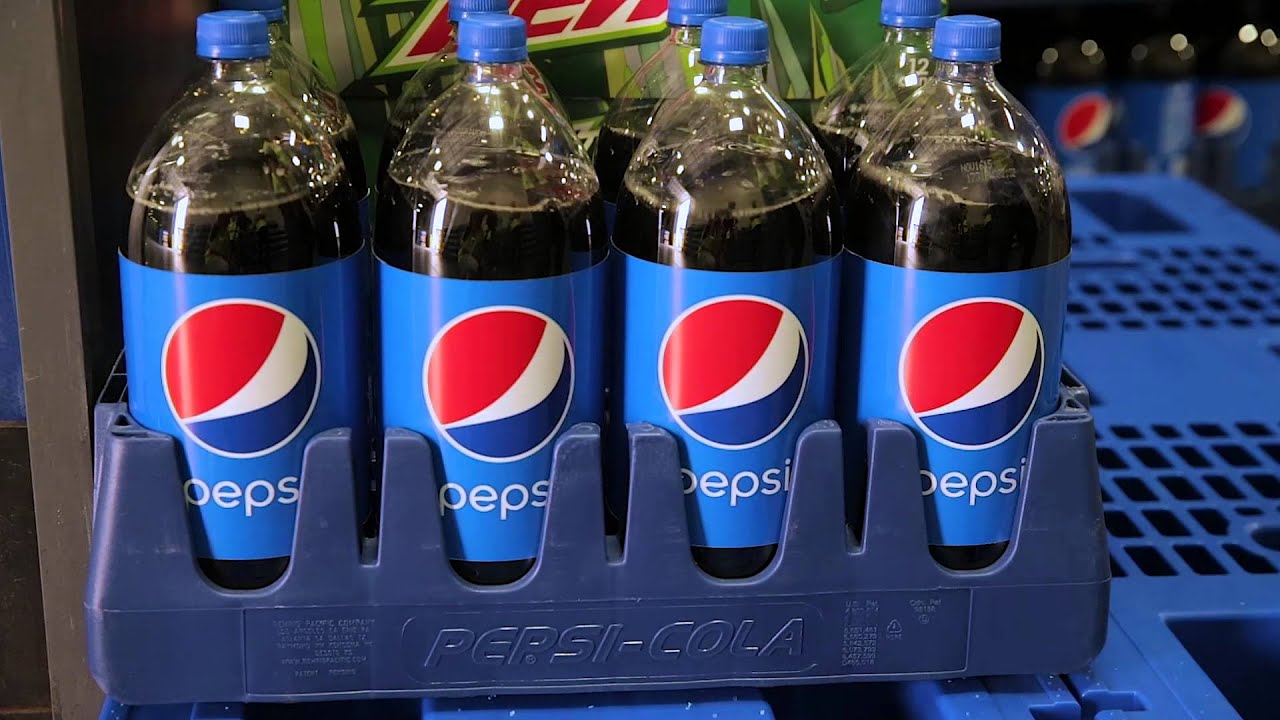
PepsiCo Inc.'s Latin America operation is exploring using UBQ, a material made from unsorted household waste for making pallets and soon replacing the conventional ones currently in use.
Developed by Israeli startup UBQ, the material is a thermoplastic converted from 100 percent unsorted municipal solid waste, including mixed plastics, paper, cardboard, and organics.
It is suitable to replace conventional polymers in various durable applications.
PepsiCo is now exploring the use of this material in Brazil in the production of "eco-pallets" with its partner Ecoboxes Embalagens Plásticas, a company specializing in solutions focused on sustainability and circular economy.
The use of UBQ material in this initial project is calculated to save the equivalent of more than 6,500 kilograms of greenhouse gas emissions, which is the equivalent of the annual carbon sequestration of 534 trees.
Over 739 kg of mixed waste will be redirected from landfills, to be reprocessed into new material
In the first phase of the project, Pepsi will manufacture 830 sustainable pallets for use in two of the company's logistics centers.
Other than UBQ, the pallets will also incorporate other recycled materials, such as recycled PP resin and recycled biaxially oriented PP, a plastic film used in the company's snack packing.
PepsiCo is also studying implementing UBQ as a raw material for other applications across the supply chain.
The company's other targets include reducing virgin plastic by 50 percent, using 50 percent recycled content in its plastic packaging by 2030; making all of its packagings to be recyclable, compostable, or biodegradable; and investing to boost recycling rates in key markets by 2025.
Among PepsiCo's robust environmental goals are reducing GHG emissions by 40 percent in less than a decade and becoming Net-Zero by 2040.







