


 Johns Hopkins University Lays Off 110 Employees as Federal Research Funding Declines
  US, Iran Agree to Halt Attacks Ahead of Doha Talks on Strait of Hormuz
  Trump Announces September Overhaul of Washington’s East Potomac Golf Links
  Apple Supplier Stocks Slide as Samsung, SK Hynix Lead Selloff After Apple Price Hikes
  Ukraine Strikes Russian Titan-Barrikady Plant With Long-Range FP-5 Flamingo Missile
  Apple Challenges India Antitrust Probe, Says CCI Copied Rivals’ Claims in App Store Case
  US Waives Iran Sanctions for 60 Days as Peace Talks Advance and Lebanon Sees Calm
  Andy Burnham Sets Out Vision to Decentralize Britain as Labour Leadership Race Begins
  Nomura Stock Upgraded to Buy by BofA as Stronger ROE and Earnings Growth Boost Outlook
  US Supreme Court Strikes Down Hawaii Gun Carry Law on Private Property
  China Adds MP Materials, USA Rare Earth to Export Control List Amid Escalating U.S.-China Trade Tensions
  Despite its best efforts, Iran won’t be able to toll the Strait of Hormuz. Here’s why
  Australia Plans Higher Fines for Social Media Firms Failing to Block Underage Users
  Israeli Airstrike Kills Three in Central Gaza Despite Ceasefire
  U.S. Eases Iran Team Travel Restrictions Ahead of Seattle World Cup Match


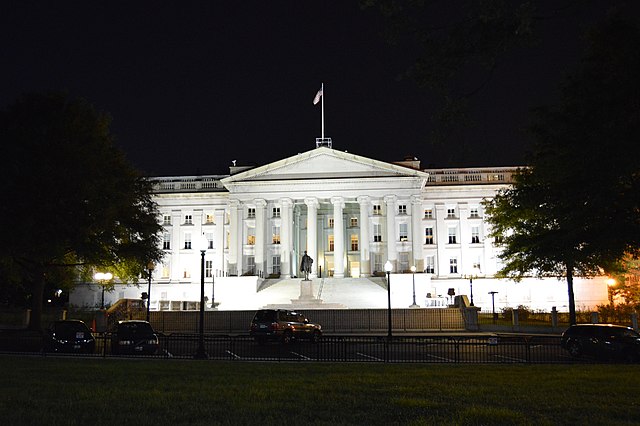
The United States has imposed a new round of Iran-related sanctions, targeting several Iranian individuals and cryptocurrency exchanges as part of its ongoing efforts to increase economic pressure on Tehran.
According to a notice published by the U.S. Department of the Treasury on Tuesday, four Iranian nationals and four Iran-based digital asset trading platforms have been added to the sanctions list. The targeted cryptocurrency exchanges include Nobitex, Bitpin, Ramzinex, and Wallex, all of which are significant players in Iran’s digital asset ecosystem.
The latest sanctions are part of Washington’s broader strategy to disrupt financial networks that may be used to circumvent existing restrictions. By targeting crypto exchanges, U.S. authorities aim to limit Iran’s access to international financial systems and reduce the use of digital assets for transactions that could evade sanctions.
The Treasury Department also warned that foreign financial institutions, businesses, and individuals could face secondary sanctions if they knowingly engage in certain transactions involving the sanctioned exchanges. This measure increases compliance risks for global entities that maintain business relationships with the listed firms.
The action highlights the growing focus of regulators on the cryptocurrency sector and its potential role in facilitating cross-border financial activity. As digital assets become more widely adopted, governments worldwide are increasing oversight of crypto exchanges and related services to ensure compliance with international regulations.
The sanctions are expected to have a significant impact on the affected platforms, potentially restricting their ability to interact with global markets and financial service providers. Industry observers note that the move underscores the United States’ continued commitment to enforcing sanctions through both traditional financial channels and emerging digital asset networks.
With the addition of Nobitex, Bitpin, Ramzinex, and Wallex to the sanctions list, international companies operating in the cryptocurrency space may need to review their compliance procedures to avoid potential exposure to U.S. enforcement actions. The development further demonstrates the increasing intersection between geopolitical policy, financial regulation, and the global cryptocurrency industry.







