


 RBA Says ASX Still Falls Short on Governance and Risk Controls
  Gold Drops Over 1% as Dollar, Treasury Yields Surge on Fed Rate Hike Bets
  Gold Prices Rise as Oil Slide Eases Fed Rate Hike Fears
  What’s so special about Ukraine’s minerals? A geologist explains
  Oil Prices Rise as U.S.-Iran Talks Fuel Diplomacy Hopes
  China Reviews Broadcom Switch Use in State Data Centres
  South Korea, US Discuss Warship Building Cooperation
  Asian Stocks Fall as Bond Yields Surge Ahead of Trump-Xi Summit
  Apple Extends Qualcomm Patent Licensing Deal
  US Dollar Hits Two-Month High as Fed Rate Hike Bets Rise
  US Northeast Airports Resume Operations After Telecom Outage Disrupts Thousands of Flights
  Meta Connect Spotlights Camera-Free Smart Glasses Amid Privacy Concerns
  Meta Unveils Muse Charm AI Device, Expands Smart Glasses Lineup
  US, China Extend Trade Truce to Jan. 10 Ahead of Trump-Xi Summit
  Unsustainable – or manageable? We don’t yet know how data centres will impact Australia’s environment
  Oil Prices Surge as U.S.-Iran Diplomacy Hopes Fade
  Oil Prices Extend Losses as U.S.-Iran Talks Ease Supply Fears


 Add as a preferred source on Google
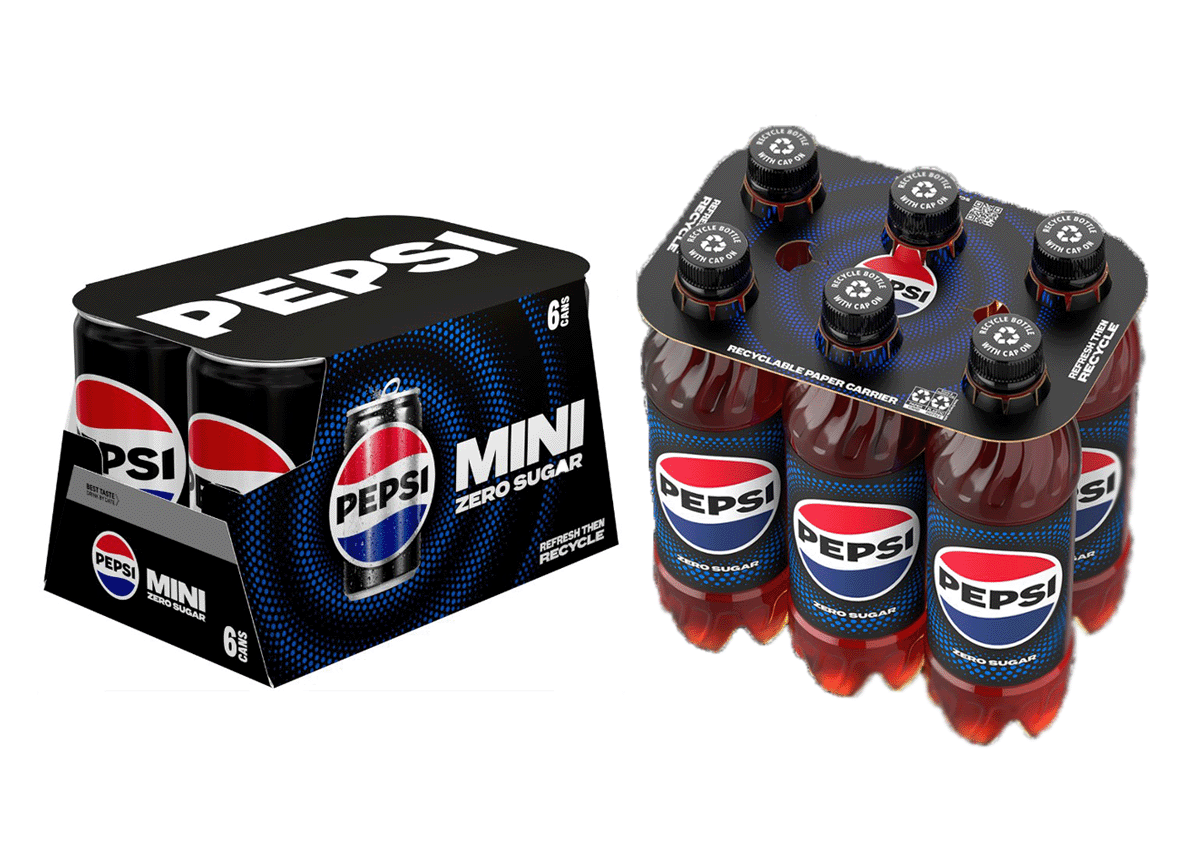
PepsiCo unveils a revolutionary paper-based solution for beverage multipacks, marking its departure from traditional plastic rings across the U.S. and Canada. This pioneering step fortifies the company's robust sustainability commitments.
Later this year, PepsiCo Beverages North America will roll out the new paperboard designs across the United States in a phased and regional manner.
The transition to recyclable paper packaging is already taking place for various PepsiCo brands, including popular names such as Pepsi, Pepsi Zero, Starry, MTN DEW, and Gatorade. In Canada, the 7Up product from PepsiCo will also embrace this change.
The new paperboard packs boast a consumer-friendly branded design and are perfect for marketplace shelves. The company's focus on sustainability is rooted in its pep+ initiative. Through pep+, PepsiCo aims to ensure that their packaging never becomes waste and actively contributes to a circular economy system. The company has committed to reducing virgin plastic from non-renewable sources by 50% per serving across its global beverage and convenience foods portfolio by 2030.
PepsiCo's goal with this latest multipack effort is to remove millions of pounds of plastics from their North American packaging over the next few years while further strengthening their packaging circularity efforts. This is a significant step toward achieving their overall sustainability objectives.
In a related development, PepsiCo India recently disclosed plans to introduce 100% recycled polyethylene terephthalate-made bottles for their carbonated beverage category as part of the pep+ initiative. This move reinforces PepsiCo's dedication to sustainable practices across the globe.
PepsiCo's switch from plastic rings to paper-based solutions is a commendable and inspiring leap toward a more environmentally friendly future. This innovative approach demonstrates the company's commitment to making substantial changes that will positively impact the planet.
With their unwavering pursuit of sustainability, PepsiCo is a leading example for other beverage companies to follow, further propelling the shift towards more eco-conscious practices.
Photo: PepsiCo Newsroom







