


 Locked up then locked out: how NZ’s bank rules make life for ex-prisoners even harder
  Columbia Student Mahmoud Khalil Fights Arrest as Deportation Case Moves to New Jersey
  How to support someone who is grieving: five research-backed strategies
  Every generation thinks they had it the toughest, but for Gen Z, they’re probably right
  The ghost of Robodebt – Federal Court rules billions of dollars in welfare debts must be recalculated
  Why financial hardship is more likely if you’re disabled or sick
  Debate over H-1B visas shines spotlight on US tech worker shortages
  The Beauty Beneath the Expressway: A Journey from Self to Service
  Booked to travel through the Middle East? Here’s why you shouldn’t cancel your flight
  What’s the difference between baking powder and baking soda? It’s subtle, but significant
  Disaster or digital spectacle? The dangers of using floods to create social media content
  The American mass exodus to Canada amid Trump 2.0 has yet to materialize
  Google promotes ‘teacher approved’ apps for kids. Here’s what parents should know
  Yes, government influences wages – but not just in the way you might think
  6 simple questions to tell if a ‘finfluencer’ is more flash than cash


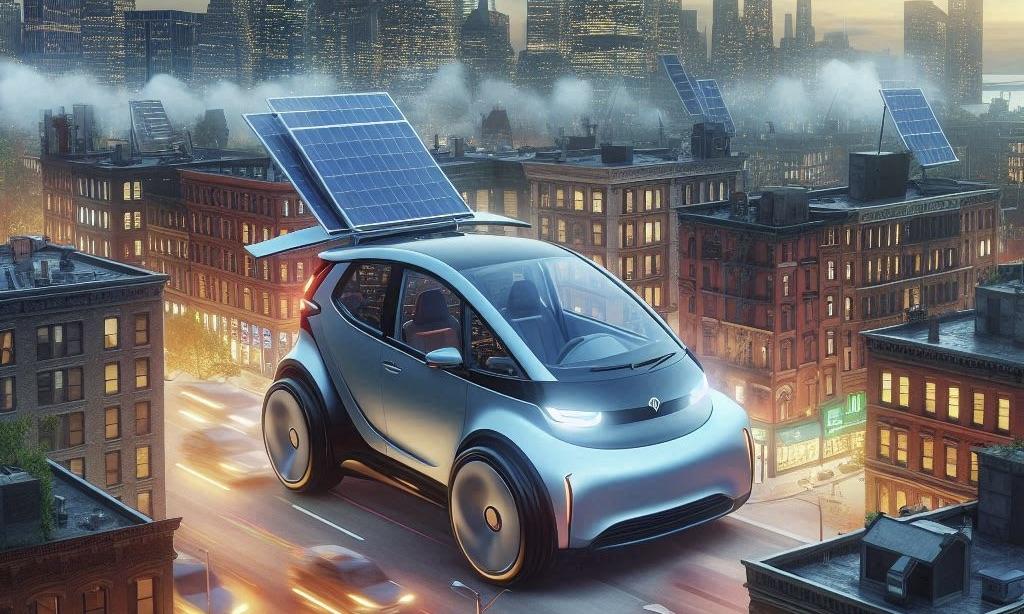
Since January 2024, electric vehicle purchasers have saved over $2 billion through point-of-sale tax credits, according to the U.S. Treasury and IRS. The new program has benefited more than 300,000 buyers, expedited tax credit access, and reduced upfront costs for clean vehicles.
New EV Tax Credit Program Saves Over $2 Billion for 300,000 Buyers Since January 2024
Since the new program was initiated at the beginning of the year, the savings that over 300,000 EV purchasers have received from electric vehicle point-of-sale tax credits have exceeded $2 billion, per Teslarati.
According to the Department of the Treasury and the Internal Revenue Service (IRS) this week, the new program, designed to provide car purchasers with their tax credits upfront, has already resulted in substantial savings across hundreds of thousands of new vehicle transactions.
On October 2, the two agencies issued a press release detailing the sum already saved by car purchasers, who are no longer required to redeem their tax credit the following year.
“…the U.S. Department of the Treasury and IRS announced consumers have saved more than $2 billion in upfront costs on their purchase of more than 300,000 clean vehicles since January 1, 2024, marking a major milestone in the Biden-Harris Administration’s work to lower transportation costs for Americans.”
In October of last year, the Treasury and IRS announced that new guidance would be available to reduce the cost of sustainable powertrain adoption for consumers.
Tax credits would no longer be required to be filed during tax season and could be granted promptly upon purchasing the vehicle.
It has already demonstrated an extraordinary level of interest:
“Since this mechanism went into effect on January 1, 2024, more than $2 billion in financial benefits to consumers at the point-of-sale have been realized through the clean vehicle advance payment program for both new clean vehicles and used clean vehicles. Of the more than 300,000 advance payments that have been issued, more than 250,000 are for tax credits related to new clean vehicles.”
New EV Tax Credit Program Provides Up to $7,500 Off at the Point of Sale
According to the press release, a credit transfer to the dealer is involved in 93% of new vehicle transactions and 85% of used clean vehicle transactions. This means that the credit amount promptly reduces the price of the car.
They may also receive cash as part of this program, which entitles them to a check for up to $7,500 for a new electric vehicle or $4,000 for a used EV.
The program was a significant advance from the previous version, as it expedited the process for buyers and simplified the process of obtaining the tax credit.
No one desires to wait for it, and it is advantageous for all parties involved if individuals are eligible for the entire amount and receive a $7,500 discount on their car's sticker price.







