


 Oil Prices Surge Toward $100/Barrel After Tanker Attacks in Iraqi Waters
  Asia FX Steady as Iran War Signals and U.S. Inflation Data Weigh on Sentiment
  Gold Prices Slip as U.S.-Israel-Iran War Fuels Dollar and Oil Demand
  Venezuela Names Paula Henao as New Oil Minister Amid U.S.-Led Industry Overhaul
  Asian Markets Retreat as Oil Prices Surge Toward $100 Amid Middle East Tensions
  Asian Currencies Face Pressure as U.S.-Iran Conflict Weighs on Markets
  Diesel Price Surge Threatens Global Economy Amid Middle East Conflict
  U.S. Futures Slide as Oil Prices Surge on Middle East Shipping Attacks
  RBA Rate Decision: Deputy Governor Signals Genuine Debate Ahead of March Meeting
  IEA Releases Record 400 Million Barrels of Oil Amid U.S.-Iran War
  Dollar Steadies as Traders Await Clarity on U.S.-Israel-Iran War
  Dollar Stabilizes Amid Iran War Uncertainty as Oil Prices Remain Elevated
  U.S.-Israel War on Iran Sends Crude Oil Prices Surging Amid Strait of Hormuz Tensions
  Gold Prices Climb Above $5,200 as Iran War Uncertainty and Inflation Data Loom
  Iran-Israel War Sparks Global Oil Crisis as Tankers Burn in Gulf Waters
  Dollar Strengthens Amid Oil Price Surge and Inflation Fears
  Bank of Japan Expected to Hold Rates at 0.75% Before June Hike Amid Middle East War Uncertainty


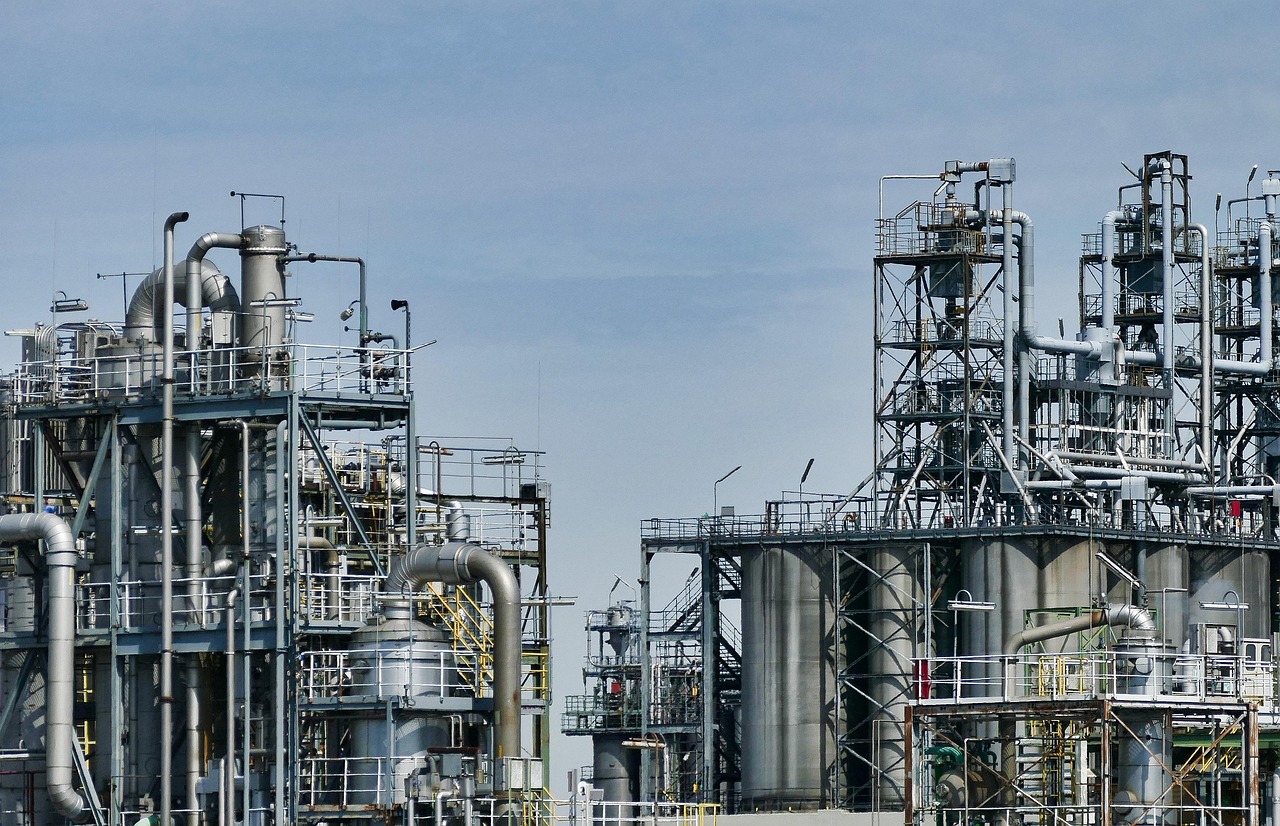
Oil prices climbed sharply during Asian trading on Thursday as escalating tensions in the Middle East fueled concerns about potential disruptions to global crude oil supply. The conflict has now entered its sixth day with no clear signs of de-escalation, increasing uncertainty in energy markets and pushing crude futures higher.
As of 01:01 ET (06:01 GMT), Brent crude oil futures for May delivery rose 4% to $84.64 per barrel. Meanwhile, West Texas Intermediate (WTI) crude futures gained 4.2%, reaching $77.75 per barrel. Brent crude is now trading just below its highest level since July 2024. Both benchmark contracts had ended Wednesday’s trading session mostly flat following a volatile day in the market.
Investor attention remains focused on the intensifying geopolitical situation in the Middle East. The conflict began last Friday after coordinated military strikes by the United States and Israel targeted Iran. The operation triggered retaliatory missile and drone attacks across the region, raising concerns over the safety of vital oil infrastructure and shipping routes.
Tensions increased further this week after reports that U.S. forces sank an Iranian warship near Sri Lanka in international waters, signaling that the conflict may be expanding beyond the Persian Gulf region. Diplomatic developments also drew attention after media reports claimed that Iran’s Ministry of Intelligence had contacted Washington to discuss potential negotiations to end the hostilities. However, Tehran dismissed the reports as false and accused Western media outlets of spreading misinformation, reducing hopes for a quick diplomatic resolution.
One of the biggest concerns for energy markets is Iran’s effective closure of the Strait of Hormuz, a critical global oil transit route through which roughly 20% of the world’s crude shipments pass. Any disruption in this chokepoint can significantly impact global oil supply. The situation has already affected regional exporters, with Iraq reportedly declaring force majeure on certain crude shipments due to severe disruptions in transport through the strait.
Despite the bullish geopolitical outlook for oil prices, U.S. inventory data presented a more bearish signal. According to weekly data from the American Petroleum Institute (API), U.S. crude oil stockpiles increased by approximately 5.6 million barrels in the week ending February 28. This rise was much larger than analysts’ expectations of a 2.2 million-barrel increase, although it was lower than the previous week’s 11.4 million-barrel build.
Market participants are now awaiting the official U.S. crude inventory report from the Energy Information Administration (EIA), scheduled for release later Thursday, which could further influence oil price movements and broader energy market sentiment.













