


 Asian Stocks Gain Amid Iran Conflict Uncertainty
  Australia's Inflation Eases in February but Core Pressures Persist
  Iran-Israel Missile Strikes Continue Amid Mixed Signals on U.S.-Iran Diplomacy
  U.S. Oil Prices Slide as Middle East Ceasefire Talks Spark Market Optimism
  U.S. Stock Futures Steady as Iran Reviews U.S. Ceasefire Proposal
  Currency Markets Show Caution Amid U.S.-Iran Negotiations
  Asian Currencies Stay Muted as Dollar Holds Firm Amid Iran Uncertainty
  Oil Prices Climb as Iran Reviews U.S. Peace Proposal Amid Middle East Tensions
  Wall Street Slides as Iran War Uncertainty, Oil Surge, and AI Fears Rattle Markets
  U.S. Futures Slide as Iran Denies Nuclear Talks with Washington
  Gold Prices Surge on U.S.-Iran Ceasefire Reports
  Middle East War Rattles Global Markets as Oil Tops $100 and Dollar Surges
  Japan Eyes Oil Futures Intervention to Stabilize Yen Amid Middle East Crisis
  Bank of Japan Unveils New Inflation Gauge to Support Case for Future Rate Hikes
  Japan's Private Sector Growth Slows in March Amid Rising Costs and Middle East Uncertainty
  Gold Prices Climb as Middle East Ceasefire Talks Stir Market Optimism
  Australia-EU Free Trade Deal Signed After Years of Negotiations


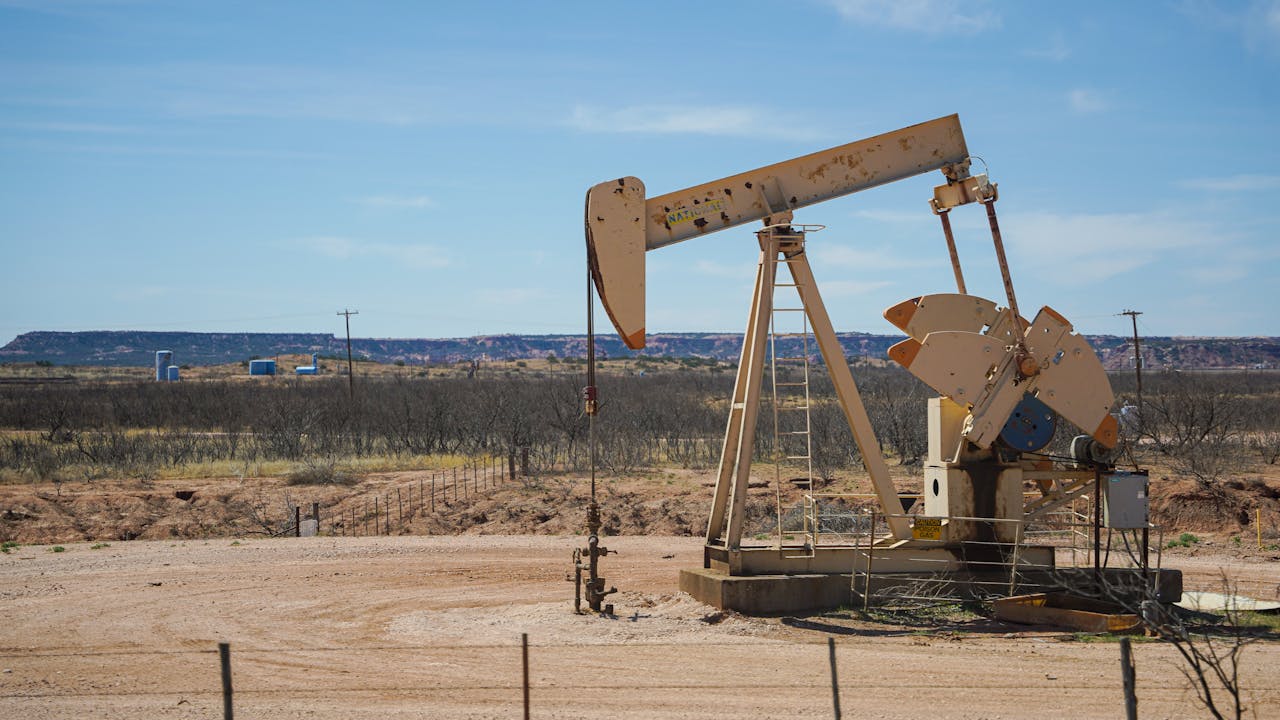
Oil prices held largely steady on Monday as investors weighed the impact of Ukrainian drone attacks on Russian energy infrastructure and monitored U.S. fuel demand trends.
Brent crude futures inched up 3 cents to $67.02 a barrel, while U.S. West Texas Intermediate (WTI) rose 8 cents to $62.77. Both benchmarks gained over 1% last week as Ukraine intensified strikes on Russian oil facilities, including the Primorsk export terminal and the Kirishinefteorgsintez refinery.
Primorsk, the largest oil port in western Russia, can load about 1 million barrels per day, making it a critical export hub. The Kirishi refinery, operated by Surgutneftegaz, processes 355,000 barrels per day—roughly 6.4% of Russia’s total refining capacity. Despite disruptions, Bashkortostan regional authorities confirmed production would continue following another drone strike.
JPMorgan analysts, led by Natasha Kaneva, noted that such attacks highlight a growing risk of deliberate disruptions to global oil markets, potentially driving prices higher.
Meanwhile, geopolitical tensions are escalating. U.S. President Donald Trump reiterated his willingness to impose tougher sanctions on Russia, urging Europe to match Washington’s actions. “Europe is buying oil from Russia. I don’t want them to buy oil,” Trump said, pressing for stricter penalties.
At the same time, trade talks between the U.S. and China resumed in Madrid, with Washington pressing allies to impose tariffs on Chinese imports tied to Russian oil purchases.
Macroeconomic signals are also influencing sentiment. Softer U.S. job data and rising inflation have fueled concerns over slowing growth in the world’s largest oil consumer. Investors now expect the Federal Reserve to cut interest rates during its September 16-17 meeting, which could support energy demand.
Overall, oil markets remain sensitive to geopolitical risks, trade negotiations, and economic indicators, keeping prices in focus for global investors.













