


 Asian Stocks Rise as AI Optimism Returns, Australia Hits Record High Ahead of RBI Decision
  RBI Holds Repo Rate at 5.25% as Inflation Risks and Global Uncertainty Persist
  Asian Currencies Mixed as Yen Retreats, Traders Eye U.S.-Iran Talks and Fed Data
  Australia Trade Surplus Returns in June as Iron Ore, Coal and LNG Exports Surge
  US Stock Futures Edge Higher as Tech Rally Continues Despite SpaceX and AMD Earnings Pressure
  European Natural Gas Prices Hold Near Three-Week Lows Amid Middle East Talks and Supply Concerns
  German Bund Yields Hit Three-Week Low as Energy Prices Ease and ECB Outlook Softens
  Indonesia Q2 2026 GDP Growth Beats Forecast Despite Market Concerns
  Singapore Says One-Third of U.S. Exports Hit by New 12.5% Tariff
  Asian Stocks Slip as AI Rally Fades, Oil Holds Steady on Iran Peace Deal Hopes
  Brazil Cuts Selic Rate to 14% as Inflation Eases but Risks Persist
  Trump Says U.S.-Iran Talks Progressing as Hopes Rise for Strait of Hormuz Reopening
  India Plans Tax Reforms to Boost Foreign Investment and Manufacturing
  25 Democratic-Led States Sue Trump Administration Over New Global Tariffs
  Gulf Shipping Traffic Steady as U.S.-Iran Talks Remain Uncertain


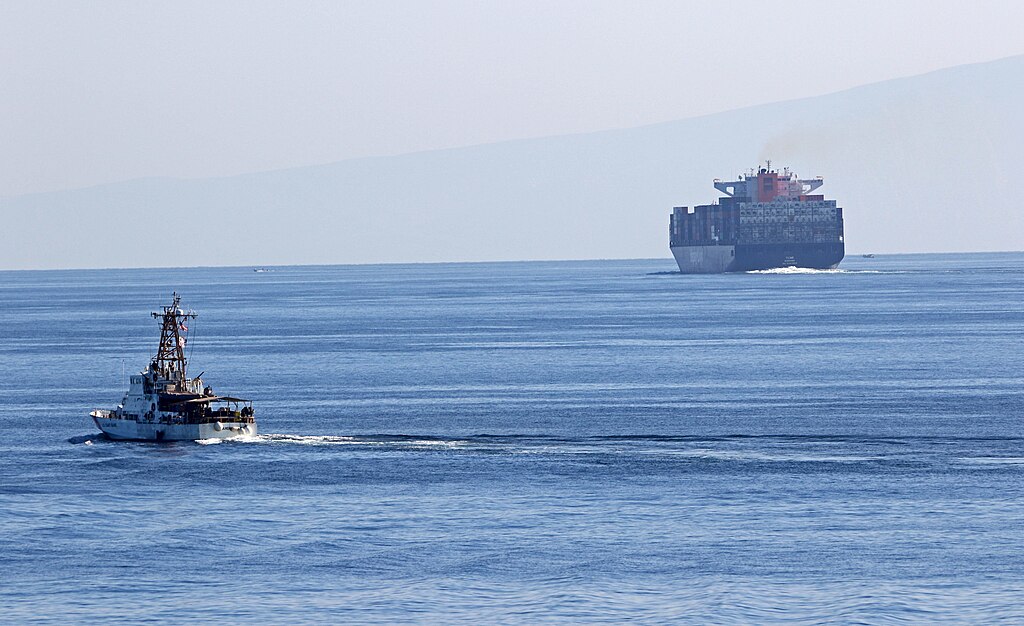
Oil prices eased on Thursday, extending the sharp declines recorded earlier this week as investors balanced hopes for improved shipping access through the Strait of Hormuz with ongoing geopolitical tensions and an unexpected increase in U.S. crude oil inventories.
Brent crude futures for October delivery slipped 0.2% to $79.28 per barrel, while West Texas Intermediate (WTI) crude fell 0.4% to $74.90 per barrel. Although both benchmarks finished nearly unchanged on Wednesday, they remain on course for weekly losses exceeding 10%.
Market sentiment improved after Iran announced it had reached an agreement with Oman regarding the coordinates of a proposed shipping route through the Strait of Hormuz, a critical energy corridor that carries nearly 20% of the world's oil and liquefied natural gas exports. However, the agreement does not fully reopen the waterway, as negotiations over cargo fees, inspections, and security measures are still ongoing.
Adding to cautious optimism, U.S. President Donald Trump said his administration was engaged in discussions with Tehran, though Iranian officials denied that formal peace talks were taking place. Despite the conflicting statements, expectations of increased tanker traffic through the strait helped reduce concerns about prolonged supply disruptions that had recently pushed oil prices higher.
Analysts warned that geopolitical risks remain elevated, noting that previous negotiations have repeatedly stalled and that any future agreement could face implementation challenges. Continued instability in the Middle East, including Houthi attacks on commercial vessels in the Red Sea, alongside disruptions linked to the Russia-Ukraine conflict and Kazakhstan's key export route, continues to pose risks to global energy supplies.
Oil prices also came under pressure after U.S. government data revealed crude inventories unexpectedly increased by approximately 2.5 million barrels last week, contrary to forecasts for a 1.5 million-barrel decline. Stockpiles at the Cushing, Oklahoma delivery hub also rose, reinforcing concerns over weaker short-term fuel demand and adding further downward pressure on the crude oil market.







