


 Mexico Pushes for US Trade Deal Before Midterms
  Gold Prices Hold Steady Ahead of Trump-Xi Summit, Middle East Risks
  Europe Jet Fuel Deficit Drives South Korean Imports to Four-Year High
  Wall Street Surges as Meta Leads AI Rally, Oil Prices Fall
  Fed Rate Hike Threatens Housing as U.S. Growth Leans on AI, Citi Says
  Oil Prices Rise as U.S.-Iran Talks Fuel Diplomacy Hopes
  Gold Prices Slip as Strong Dollar and Hawkish Fed Pressure Bullion
  Wall Street Mixed as Treasury Yields Rise After Fed Hike
  Vietnam Stocks Join FTSE Emerging Market Indexes, Unlocking Billions in Foreign Investment
  Yen Weakens as Dollar Gains on Widening US-Japan Rate Gap
  UK Home Asking Prices Rise for First Time Since May
  Vietnam, US Trade Deal Could Be Signed Soon, To Lam Says
  Bessent, He Lifeng to Discuss AI Security and Trade in New York
  U.S. Dollar Hits Eight-Week High After Fed Rate Hike
  Canada Unveils Bill to Fast-Track Major Resource Projects
  Canada Eyes India Trade Deal by Year-End


 Add as a preferred source on Google
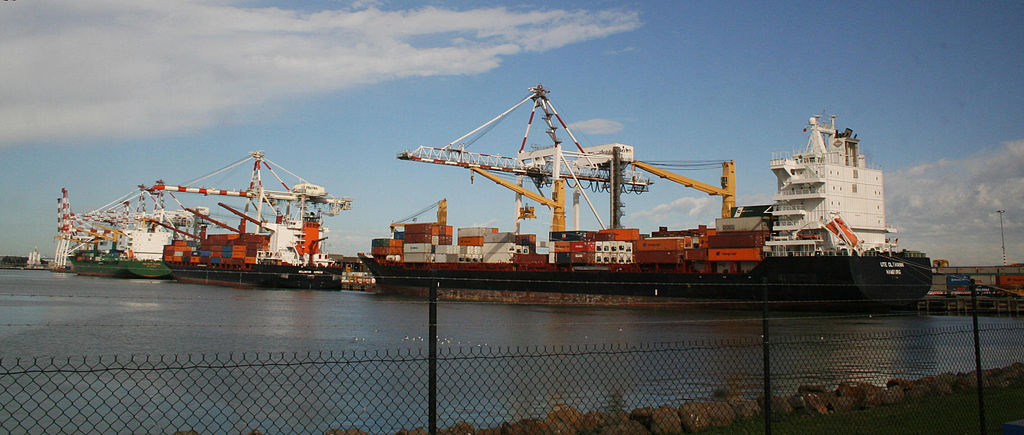
Australia's trade balance returned to a larger-than-expected surplus in June, driven by strong exports of iron ore, coal, liquefied natural gas (LNG), and non-monetary gold, according to data released Thursday by the Australian Bureau of Statistics.
The country recorded a trade surplus of A$1.93 billion in June, reversing May's revised A$2.37 billion deficit and outperforming market expectations for a A$1.06 billion shortfall. Total exports rose 9.6% from the previous month, while imports edged down 0.2%, reflecting resilient demand for Australia's key commodities.
A major contributor to the rebound was a 60.2% jump in non-monetary gold exports. Shipments of metal ores and minerals increased 6.2%, coal exports climbed 4.6%, and other mineral fuels, including LNG, gained 4%. Higher exports to China, Japan, South Korea, and India supported the overall increase, with iron ore and coal remaining Australia's leading export products. Rural exports, however, fell 1.9% due to weaker meat and cereal shipments.
On the import side, purchases of fuel and lubricants dropped 11.9%, helping reduce overall import spending. Imports of capital goods also declined 4.5%, mainly because of lower demand for computers and other information technology equipment.
The stronger trade figures come as the Australian government prepares to discuss newly announced U.S. tariffs with President Donald Trump. Prime Minister Anthony Albanese said Canberra will continue advocating against trade measures that could negatively affect economic ties between the two countries.
Despite the upbeat trade data, the Australian dollar showed little reaction, with investors focusing on next week's Reserve Bank of Australia (RBA) policy meeting. The central bank kept its cash rate unchanged at 4.35% in June following three consecutive rate hikes and has reiterated that future policy decisions will remain dependent on inflation and labor market data.
The June trade surplus highlights the continued importance of Australia's mining and energy exports, reinforcing the country's position as a leading global supplier of iron ore, coal, and LNG while providing a positive signal for the broader Australian economy.







