


 Japan Economy Poised for Q4 2025 Growth as Investment and Consumption Hold Firm
  India–U.S. Interim Trade Pact Cuts Auto Tariffs but Leaves Tesla Out
  Singapore Budget 2026 Set for Fiscal Prudence as Growth Remains Resilient
  Asian Stocks Slip as Tech Rout Deepens, Japan Steadies Ahead of Election
  RBI Holds Repo Rate at 5.25% as India’s Growth Outlook Strengthens After U.S. Trade Deal
  Dow Hits 50,000 as U.S. Stocks Stage Strong Rebound Amid AI Volatility
  Global Markets Slide as AI, Crypto, and Precious Metals Face Heightened Volatility
  Gold Prices Slide Below $5,000 as Strong Dollar and Central Bank Outlook Weigh on Metals
  Japanese Pharmaceutical Stocks Slide as TrumpRx.gov Launch Sparks Market Concerns
  South Korea Assures U.S. on Trade Deal Commitments Amid Tariff Concerns
  Bank of Japan Signals Readiness for Near-Term Rate Hike as Inflation Nears Target
  Trump Lifts 25% Tariff on Indian Goods in Strategic U.S.–India Trade and Energy Deal
  U.S.-India Trade Framework Signals Major Shift in Tariffs, Energy, and Supply Chains
  Gold and Silver Prices Rebound After Volatile Week Triggered by Fed Nomination
  Vietnam’s Trade Surplus With US Jumps as Exports Surge and China Imports Hit Record
  Thailand Inflation Remains Negative for 10th Straight Month in January
  U.S. Stock Futures Slide as Tech Rout Deepens on Amazon Capex Shock


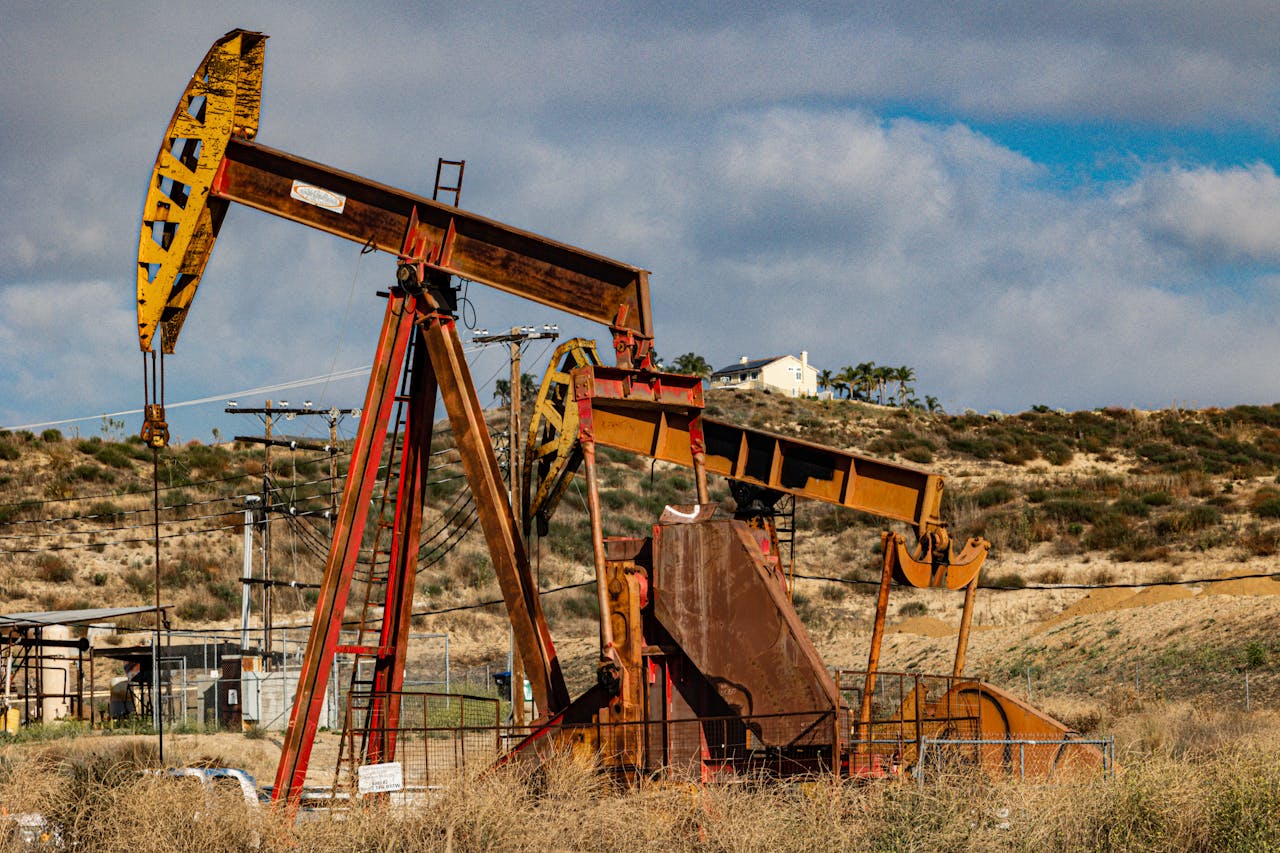
Global oil prices edged lower on Tuesday even as a massive winter storm disrupted crude oil production and refinery operations across the United States, highlighting the market’s focus on broader demand concerns and supply expectations. Brent crude futures fell by 28 cents, or 0.4%, to $65.31 per barrel in early Asian trading, while U.S. West Texas Intermediate (WTI) crude declined 24 cents, or 0.4%, to $60.39 per barrel.
Severe winter weather sweeping across the United States over the weekend significantly strained energy infrastructure, forcing oil producers to shut in as much as 2 million barrels per day, or roughly 15% of total U.S. oil output, according to analysts and traders. In addition to upstream disruptions, several refineries along the U.S. Gulf Coast reported operational issues linked to freezing temperatures, raising concerns about short-term fuel supply disruptions. Analysts noted that refinery outages can sometimes offset the bullish impact of reduced crude production by lowering near-term crude demand.
Despite these supply-side challenges, oil prices remained under pressure, suggesting that traders are weighing broader macroeconomic factors and future supply expectations more heavily. Daniel Hynes, an analyst at ANZ, said that while supply risks remain, they have not fully translated into sustained price gains.
Geopolitical tensions also remained in focus after a U.S. aircraft carrier and supporting warships arrived in the Middle East, according to U.S. officials. The deployment expands President Donald Trump’s ability to defend U.S. forces in the region and potentially respond to escalating tensions with Iran. Persistent Middle East tensions continue to represent a key upside risk for global oil markets.
Meanwhile, the Organization of the Petroleum Exporting Countries and its allies, known collectively as OPEC+, are expected to maintain their pause on oil output increases for March. Eight OPEC+ members, including Saudi Arabia, Russia, the United Arab Emirates, Kazakhstan, Kuwait, Iraq, Algeria, and Oman, are set to meet on February 1. Sources indicated that recent price support has been aided by a drop in Kazakhstan’s oil production, reinforcing expectations that OPEC+ will prioritize market stability in the near term.













