


 Dollar Stabilizes Amid Iran War Uncertainty as Oil Prices Remain Elevated
  Iran-U.S. Oil Tensions Escalate as Revolutionary Guards Threaten Strait of Hormuz Blockade
  U.S.-Israel War on Iran Sends Crude Oil Prices Surging Amid Strait of Hormuz Tensions
  U.S. Futures Slide as Oil Prices Surge on Middle East Shipping Attacks
  Asian Currencies Face Pressure as U.S.-Iran Conflict Weighs on Markets
  Asian Markets Retreat as Oil Prices Surge Toward $100 Amid Middle East Tensions
  Nations will release an extra 400 million barrels of oil to the market. All we need to do now is not panic at the pump
  Iran-Israel War Sparks Global Oil Crisis as Tankers Burn in Gulf Waters
  China's Trade Surplus Surges Past Forecasts in Early 2026
  Gold Prices Slip as U.S.-Israel-Iran War Fuels Dollar and Oil Demand
  IEA Plans Record Emergency Oil Release Amid Iran Strait of Hormuz Crisis
  Bank of Japan Expected to Hold Rates at 0.75% Before June Hike Amid Middle East War Uncertainty
  Diesel Price Surge Threatens Global Economy Amid Middle East Conflict
  RBA Rate Decision: Deputy Governor Signals Genuine Debate Ahead of March Meeting
  Trump Administration Launches Trade Investigations Against 16 Countries Over Industrial Overcapacity
  Asian Stock Markets Rise as Oil Prices Pull Back; U.S. CPI in Focus
  German Exports Drop 2.3% in January, Exceeding Forecast Decline


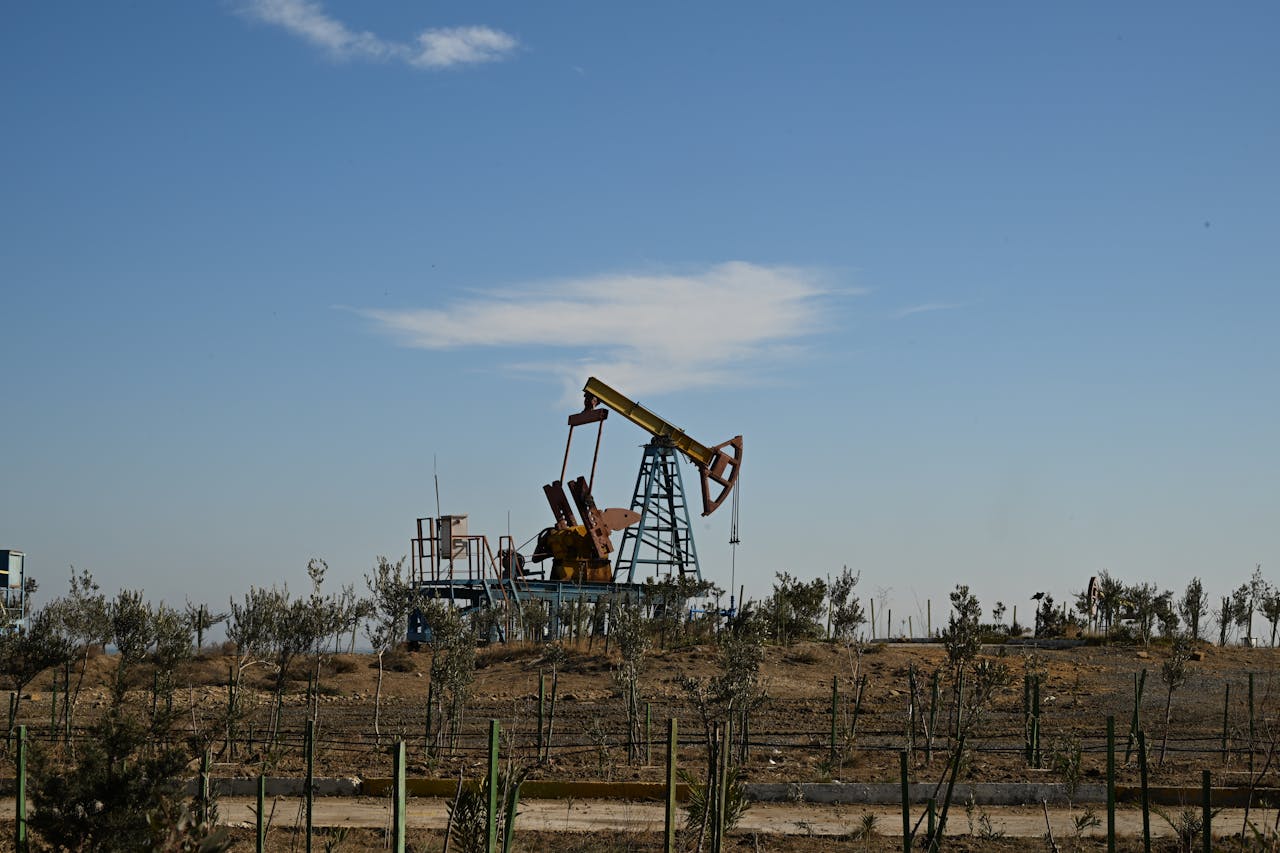
Oil prices edged lower in Asian trading on Wednesday after climbing to multi-week highs in the previous session, as investors balanced geopolitical supply concerns against fresh data showing a sharp increase in U.S. crude inventories. The pullback came after a strong rally driven by fears that unrest in Iran could disrupt global oil supplies.
Brent crude futures for March delivery slipped about 0.4% to trade near $65.19 per barrel, while U.S. West Texas Intermediate crude fell roughly 0.5% to around $60.87 per barrel. Despite the modest decline, both benchmarks remained close to their recent peaks, after surging more than 2.5% on Tuesday. The gains pushed Brent to an 11-week high and WTI to a 10-week high, marking the fourth consecutive session of advances fueled by geopolitical tensions.
The rally was largely underpinned by escalating anti-government protests in Iran, one of the largest oil producers within OPEC. Market participants have increasingly priced in a geopolitical risk premium amid concerns that prolonged unrest could threaten Iranian crude exports and tighten global supply. Adding to market anxiety, U.S. President Donald Trump issued strong warnings to Iranian authorities, including the possibility of military action if crackdowns on protesters continue. He also reiterated threats of imposing tariffs on countries trading with Iran, further raising uncertainty around future supply flows.
However, gains in oil prices were capped by bearish inventory data from the American Petroleum Institute. According to the API, U.S. crude oil stockpiles rose by approximately 5.3 million barrels last week, significantly exceeding market expectations of a 2 million-barrel increase. Gasoline inventories jumped by about 8.2 million barrels, while distillate stocks climbed roughly 4.3 million barrels, highlighting ample supplies across refined products.
Investors are now awaiting official inventory figures from the U.S. Energy Information Administration later on Wednesday, which could confirm trends in crude oil, gasoline, and distillate stocks. The data will be closely watched for further clues on near-term oil price direction, as markets continue to navigate the push and pull between geopolitical risk and supply-demand fundamentals.













