


 U.S.-India Trade Framework Signals Major Shift in Tariffs, Energy, and Supply Chains
  RBI Holds Repo Rate at 5.25% as India’s Growth Outlook Strengthens After U.S. Trade Deal
  South Korea Assures U.S. on Trade Deal Commitments Amid Tariff Concerns
  Dow Hits 50,000 as U.S. Stocks Stage Strong Rebound Amid AI Volatility
  Trump Endorses Japan’s Sanae Takaichi Ahead of Crucial Election Amid Market and China Tensions
  South Korea’s Weak Won Struggles as Retail Investors Pour Money Into U.S. Stocks
  Russian Stocks End Mixed as MOEX Index Closes Flat Amid Commodity Strength
  Fed Governor Lisa Cook Warns Inflation Risks Remain as Rates Stay Steady
  Gold and Silver Prices Slide as Dollar Strength and Easing Tensions Weigh on Metals
  Global Markets Slide as AI, Crypto, and Precious Metals Face Heightened Volatility
  Dollar Steadies Ahead of ECB and BoE Decisions as Markets Turn Risk-Off
  Dollar Near Two-Week High as Stock Rout, AI Concerns and Global Events Drive Market Volatility
  Asian Stocks Slip as Tech Rout Deepens, Japan Steadies Ahead of Election
  China Extends Gold Buying Streak as Reserves Surge Despite Volatile Prices
  Oil Prices Slide on US-Iran Talks, Dollar Strength and Profit-Taking Pressure
  Vietnam’s Trade Surplus With US Jumps as Exports Surge and China Imports Hit Record
  India–U.S. Interim Trade Pact Cuts Auto Tariffs but Leaves Tesla Out


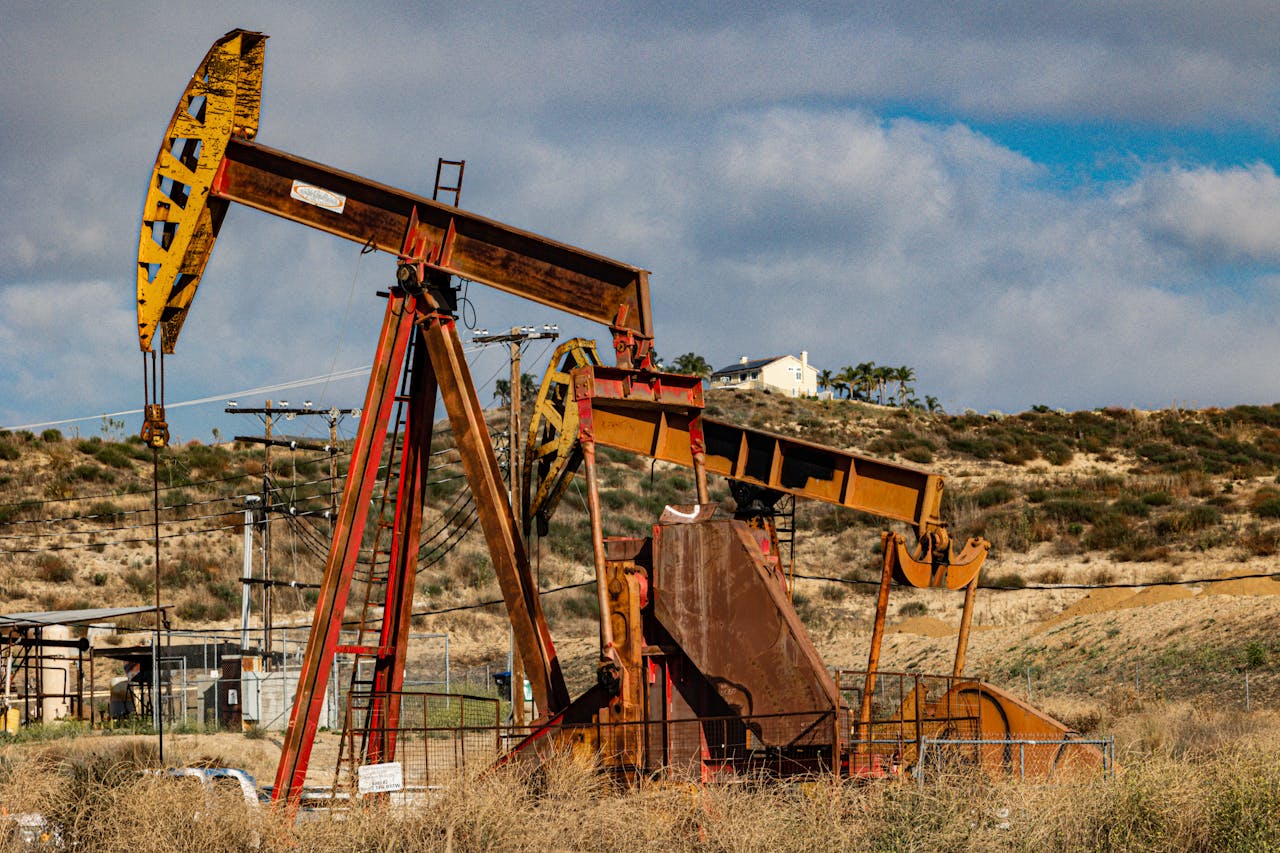
Oil prices continued to decline in Asian trading on Friday, hitting their lowest levels in five months as global markets reacted to geopolitical developments and growing concerns about oversupply. Brent crude futures slipped 0.2% to $60.95 per barrel, while West Texas Intermediate (WTI) fell 0.2% to $57.36 per barrel by 21:14 ET (01:14 GMT). Both benchmarks were poised for a third consecutive weekly loss, falling between 2.5% and 2.9%.
The downturn came after U.S. President Donald Trump and Russian President Vladimir Putin agreed to meet in Budapest to discuss ending the war in Ukraine. The announcement followed reports that Trump would also speak with Ukrainian President Volodymyr Zelensky. While no date was set, the meeting marks the leaders’ second encounter since their August summit in Alaska. Analysts said progress toward a Russia-Ukraine ceasefire could pressure oil prices further, as it might lead to easing U.S. sanctions on Moscow and allow Russian oil exports to increase.
Adding to the bearish sentiment, U.S. data showed crude inventories rising by 3.5 million barrels last week, exceeding expectations and signaling weaker demand ahead of the winter season. Although gasoline and distillate stockpiles declined, the overall inventory build sparked concerns about slowing consumption.
Global demand worries were amplified by weak economic data from China and renewed trade tensions with the United States. The International Energy Agency (IEA) further dampened sentiment, forecasting a larger-than-expected supply surplus in 2026 and warning of deteriorating oil demand.
Oil prices briefly found support after Trump suggested India might halt Russian oil imports, but Indian officials offered little clarity. With geopolitical uncertainty, oversupply risks, and weakening demand, crude markets remain under pressure, suggesting further downside potential in the near term.













