


 Nvidia China Chip Sales Report Sends Chinese Semiconductor Stocks Lower
  Japan Factory Output Unexpectedly Falls 1.7% in August
  Oil Prices Slide as Middle East Flows Recover
  Gold Plunges 4% as Treasury Yields Surge and Fed Rate Hike Bets Rise
  Asian Stocks Fall as Oil Surge, Bond Yields and AI Concerns Hit Markets
  BlackRock’s Rick Rieder Favors Bonds Over Stocks as Treasury Yields Surge
  Gold Holds Near Seven-Week Low as Fed Rate Hike Bets Rise
  U.S. Stock Futures Fall as Iran, Oil and AI Risks Rattle Markets
  BOJ Signals Faster Rate Hikes as Inflation Risks Grow
  XRP Price Targets $1.70 as Bullish Momentum Builds
  Asian Currencies Mixed as Yen Weakens, RBA Hike Looms
  Dollar Eases Near Two-Month High as Yen Rebounds
  Japan Warns Markets Over Yen Weakness
  China Cuts Tariffs on U.S. Farm Goods but Excludes Soybeans
  South Korea Exports Set for 16th Monthly Gain on AI Chip Demand
  US Dollar Hits Two-Month High as Aussie, Pound Slide
  Asian Currencies Weaken as Dollar, Oil Prices Rise


 Add as a preferred source on Google
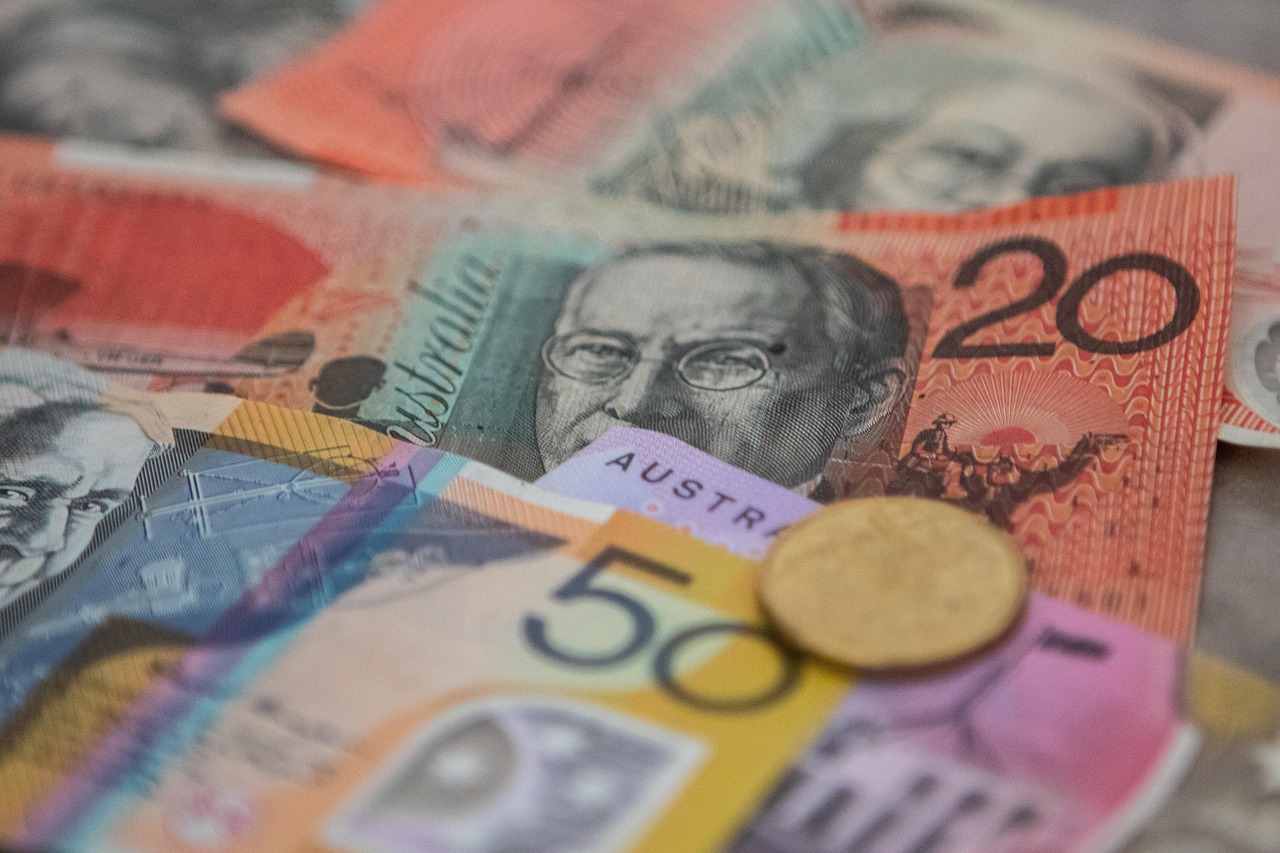
Asian currencies and the U.S. dollar traded in narrow ranges on Tuesday as investors stayed cautious ahead of key U.S. inflation data that could influence expectations for the Federal Reserve’s interest-rate outlook. The Australian dollar remained relatively firm after the Reserve Bank of Australia (RBA) kept borrowing costs unchanged.
The U.S. Dollar Index was little changed at 99.81 after gaining around 0.3% in the previous session. Currency markets are now focused on upcoming U.S. consumer price index (CPI) figures for clearer signals on inflation and future Fed policy.
The RBA maintained its cash rate at 4.35%, as widely anticipated, extending its policy pause while assessing persistent price pressures and softer economic conditions. Australian inflation eased to 3.8% in June but remained above the central bank’s 2%-3% target range.
Recent underlying inflation figures came in below expectations, easing pressure on policymakers to raise rates immediately. However, the RBA indicated that additional tightening remains possible if inflation risks intensify. Following the decision, the AUD/USD pair was broadly unchanged.
The Japanese yen also stabilized, with USD/JPY trading around 159.23 after the yen strengthened sharply in the previous session. The currency has already surrendered a significant portion of gains generated by joint U.S.-Japan intervention after it previously weakened to a 40-year low of 163.99 per dollar. Investors remain alert to the possibility of further intervention.
Elsewhere in Asian forex markets, USD/KRW slipped about 0.2%, while the Singapore dollar was largely flat. China’s onshore and offshore yuan showed limited movement, while USD/INR edged approximately 0.1% higher.
Attention is now shifting toward Wednesday’s U.S. CPI report, followed by producer price and retail sales data. Weak July U.S. payroll figures have already pressured the dollar and encouraged traders to reduce some bullish positions.
Meanwhile, rising oil prices could create additional challenges for Asian currencies, particularly in energy-importing economies. Fading expectations for a U.S.-Iran agreement have supported crude prices, potentially adding to inflation concerns and complicating the outlook for global interest rates and currency markets.







