


 Gold and Silver Prices Slide as Dollar Strength and Easing Tensions Weigh on Metals
  Gold Prices Slide Below $5,000 as Strong Dollar and Central Bank Outlook Weigh on Metals
  Global Markets Slide as AI, Crypto, and Precious Metals Face Heightened Volatility
  U.S.-India Trade Framework Signals Major Shift in Tariffs, Energy, and Supply Chains
  Bank of Japan Signals Readiness for Near-Term Rate Hike as Inflation Nears Target
  India–U.S. Interim Trade Pact Cuts Auto Tariffs but Leaves Tesla Out
  Japanese Pharmaceutical Stocks Slide as TrumpRx.gov Launch Sparks Market Concerns
  Oil Prices Slide on US-Iran Talks, Dollar Strength and Profit-Taking Pressure
  Dollar Steadies Ahead of ECB and BoE Decisions as Markets Turn Risk-Off
  Trump Lifts 25% Tariff on Indian Goods in Strategic U.S.–India Trade and Energy Deal
  Dollar Near Two-Week High as Stock Rout, AI Concerns and Global Events Drive Market Volatility
  Vietnam’s Trade Surplus With US Jumps as Exports Surge and China Imports Hit Record
  Silver Prices Plunge in Asian Trade as Dollar Strength Triggers Fresh Precious Metals Sell-Off
  Thailand Inflation Remains Negative for 10th Straight Month in January
  Asian Stocks Slip as Tech Rout Deepens, Japan Steadies Ahead of Election
  U.S. Stock Futures Slide as Tech Rout Deepens on Amazon Capex Shock


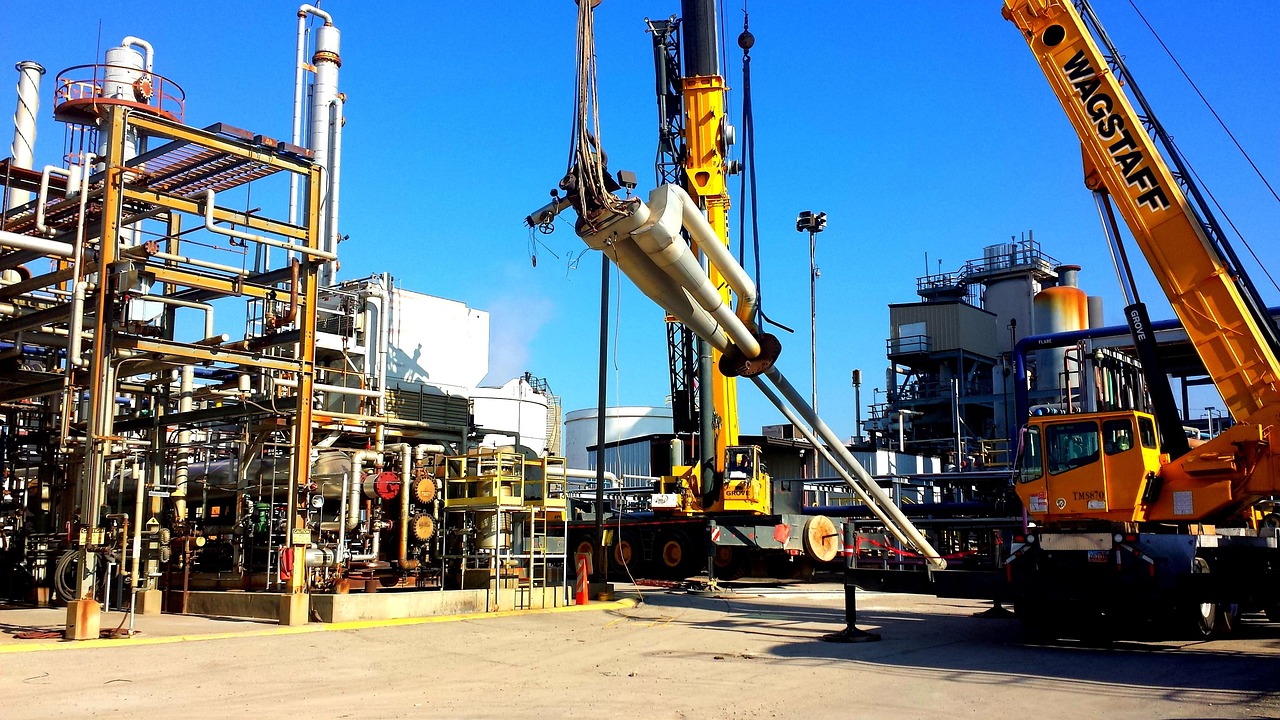
Oil prices climbed on Monday as global markets reacted to renewed geopolitical developments, including discussions between the United States and Ukraine on a possible end to the war, alongside persistent tensions in the Middle East that could threaten energy supplies. Investors balanced optimism around diplomacy with concerns that unresolved conflicts may continue to disrupt oil markets.
Brent crude futures increased by 67 cents, or 1.1%, reaching $61.31 per barrel in early trading, while U.S. West Texas Intermediate (WTI) crude gained 65 cents, or 1.15%, to trade at $57.39. The rebound followed a sharp decline on Friday, when both benchmarks fell more than 2% amid fears of a global oil supply glut and expectations that progress toward peace in Ukraine could ease supply risks.
Market attention remained focused on comments from U.S. President Donald Trump, who said over the weekend that negotiations with Ukrainian President Volodymyr Zelenskiy were moving closer to an agreement to end the conflict. Speaking after a meeting at Trump’s Mar-a-Lago resort in Florida, Trump noted that while discussions were advancing, the disputed Donbas region remained a major obstacle, and it could take several weeks to determine whether talks would succeed.
Analysts cautioned that a swift breakthrough remains unlikely. According to energy researchers, the lack of agreement on territorial issues suggests the Russia–Ukraine peace process may stay deadlocked, limiting any immediate impact on global oil supply. Meanwhile, ongoing attacks on energy infrastructure by both Russia and Ukraine over the weekend reinforced concerns about continued disruptions.
Beyond Eastern Europe, heightened instability in the Middle East also supported oil prices. Recent Saudi air strikes in Yemen and statements from Iran describing a “full-scale war” with the U.S., Europe, and Israel have raised fears of broader regional conflict and potential supply interruptions. Additional factors influencing prices include U.S. enforcement actions against Venezuelan oil shipments and the fallout from U.S. military strikes targeting ISIS in Nigeria, a key oil-producing nation.
Looking ahead, analysts expect WTI crude to trade within a $55 to $60 range, as traders closely monitor geopolitical risks, enforcement actions, and global supply-demand dynamics that continue to shape the energy market.













