


 Oil Prices Rebound as Iran Denies U.S. Talks Amid Gulf War Supply Fears
  U.S. Oil Prices Slide as Middle East Ceasefire Talks Spark Market Optimism
  Oil Prices Climb as Iran Reviews U.S. Peace Proposal Amid Middle East Tensions
  Australia's Inflation Eases in February but Core Pressures Persist
  WTO Reform Talks Begin in Cameroon Amid Global Trade Tensions
  Suspicious Oil Market Trades Precede Trump's Iran Peace Post by 15 Minutes
  Asian Currencies Stay Muted as Dollar Holds Firm Amid Iran Uncertainty
  Middle East War Rattles Global Markets as Oil Tops $100 and Dollar Surges
  Asian Stocks Gain Amid Iran Conflict Uncertainty
  Bank of Japan Officials Signal Continued Interest Rate Hikes Amid Inflation Concerns
  U.S. Stock Futures Steady as Iran Reviews U.S. Ceasefire Proposal
  Wall Street Slides as Iran War Uncertainty, Oil Surge, and AI Fears Rattle Markets
  Bank of Japan Eyes April Rate Hike Despite Inflation Dip, ING Says
  Gold Prices Climb as Middle East Ceasefire Talks Stir Market Optimism
  Asian Currencies Weaken as Dollar Rebounds Amid Middle East Uncertainty and Japan Inflation Data
  U.S. Futures Slide as Iran Denies Nuclear Talks with Washington


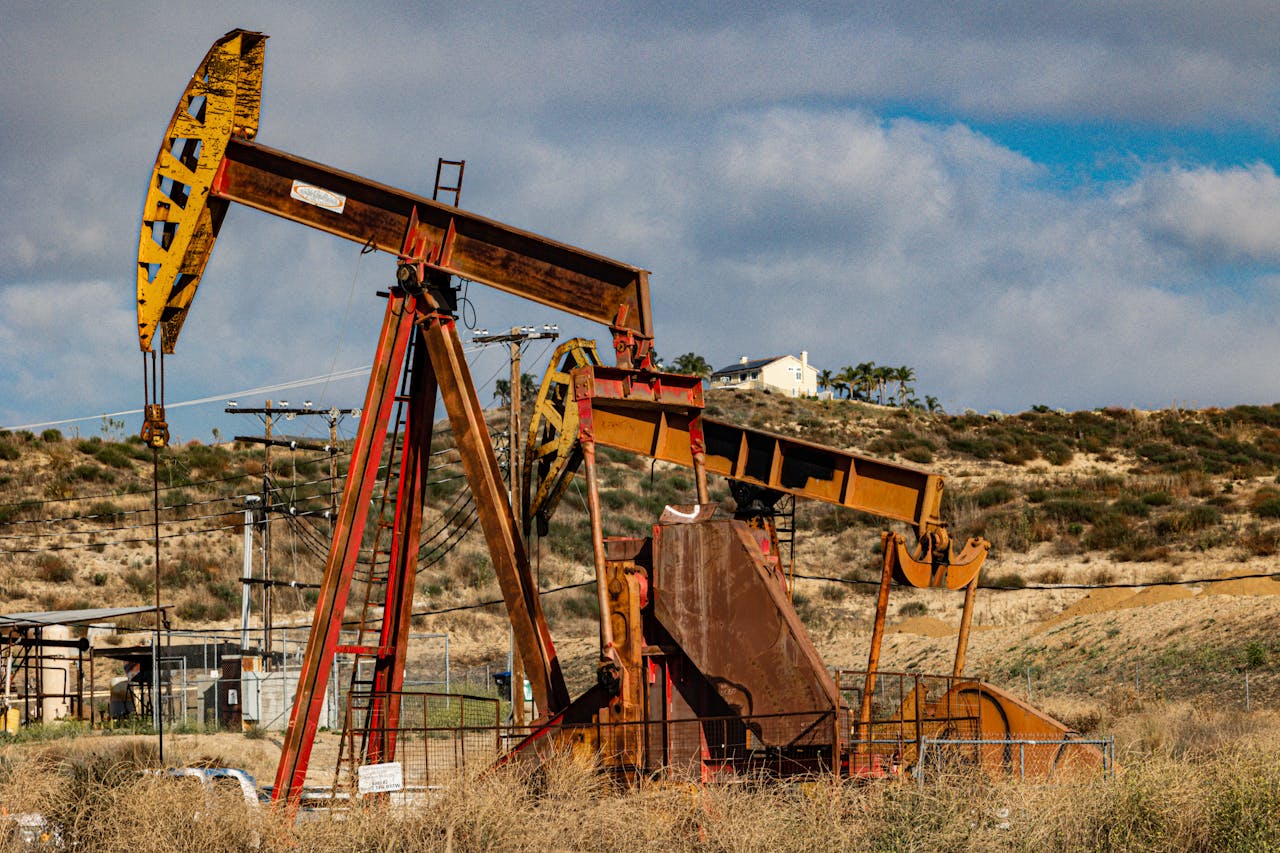
Oil prices dropped to their lowest levels in over four years on Wednesday, driven by mounting concerns over global demand due to a deepening U.S.-China trade war and increasing crude supply. Brent crude futures fell $2.13, or 3.39%, to $60.69 a barrel, while U.S. West Texas Intermediate (WTI) slid $2.36, or 3.96%, to $57.22. Brent hit its lowest since March 2021 and WTI since February 2021.
The sharp decline follows five consecutive sessions of losses after U.S. President Donald Trump imposed sweeping tariffs on Chinese imports. The U.S. will now enforce a 104% tariff on Chinese goods starting Wednesday, adding 50% after Beijing failed to remove its 34% retaliatory tariffs. In response, China condemned the move as "blackmail," further straining hopes for a trade resolution.
Experts warn that the intensifying trade conflict between the world’s two largest economies could trigger a global economic slowdown and weaken fuel demand. Ye Lin, VP of oil markets at Rystad Energy, noted that China’s oil demand growth, estimated between 50,000 and 100,000 barrels per day, is now under threat. However, potential domestic stimulus measures could cushion the impact.
Adding to the bearish outlook, OPEC+ announced a production increase of 411,000 barrels per day starting in May, which analysts believe could tip the oil market into surplus. As a result, Goldman Sachs revised its oil price forecast, predicting Brent at $62 and WTI at $58 by the end of 2025, and further declines to $55 and $51 by 2026.
Meanwhile, API data showed a surprise 1.1 million-barrel drop in U.S. crude inventories, offering a glimmer of hope for demand. Official EIA data is expected later Wednesday.













