


 Asian Markets Retreat as Oil Prices Surge Toward $100 Amid Middle East Tensions
  Asian Stock Markets Rise as Oil Prices Pull Back; U.S. CPI in Focus
  U.S. Markets Slip Amid Iran Conflict Uncertainty as Oil Prices Retreat
  Dollar Steadies as Traders Await Clarity on U.S.-Israel-Iran War
  Asian Currencies Face Pressure as U.S.-Iran Conflict Weighs on Markets
  Gold Prices Climb Above $5,200 as Iran War Uncertainty and Inflation Data Loom
  U.S.-Israel War on Iran Sends Crude Oil Prices Surging Amid Strait of Hormuz Tensions
  UK Housing Market Slows Amid Geopolitical Tensions and Mortgage Rate Fears
  Gold Prices Slip as U.S.-Israel-Iran War Fuels Dollar and Oil Demand
  Iran-Israel War Sparks Global Oil Crisis as Tankers Burn in Gulf Waters
  IEA Releases Record 400 Million Barrels of Oil Amid U.S.-Iran War
  Dollar Strengthens Amid Oil Price Surge and Inflation Fears
  Chinese AI Stocks Surge as Tencent, MiniMax, and Zhipu Launch Agentic AI Programs
  Dollar Stabilizes Amid Iran War Uncertainty as Oil Prices Remain Elevated
  Diesel Price Surge Threatens Global Economy Amid Middle East Conflict
  Venezuela Names Paula Henao as New Oil Minister Amid U.S.-Led Industry Overhaul
  Bank of Japan Expected to Hold Rates at 0.75% Before June Hike Amid Middle East War Uncertainty


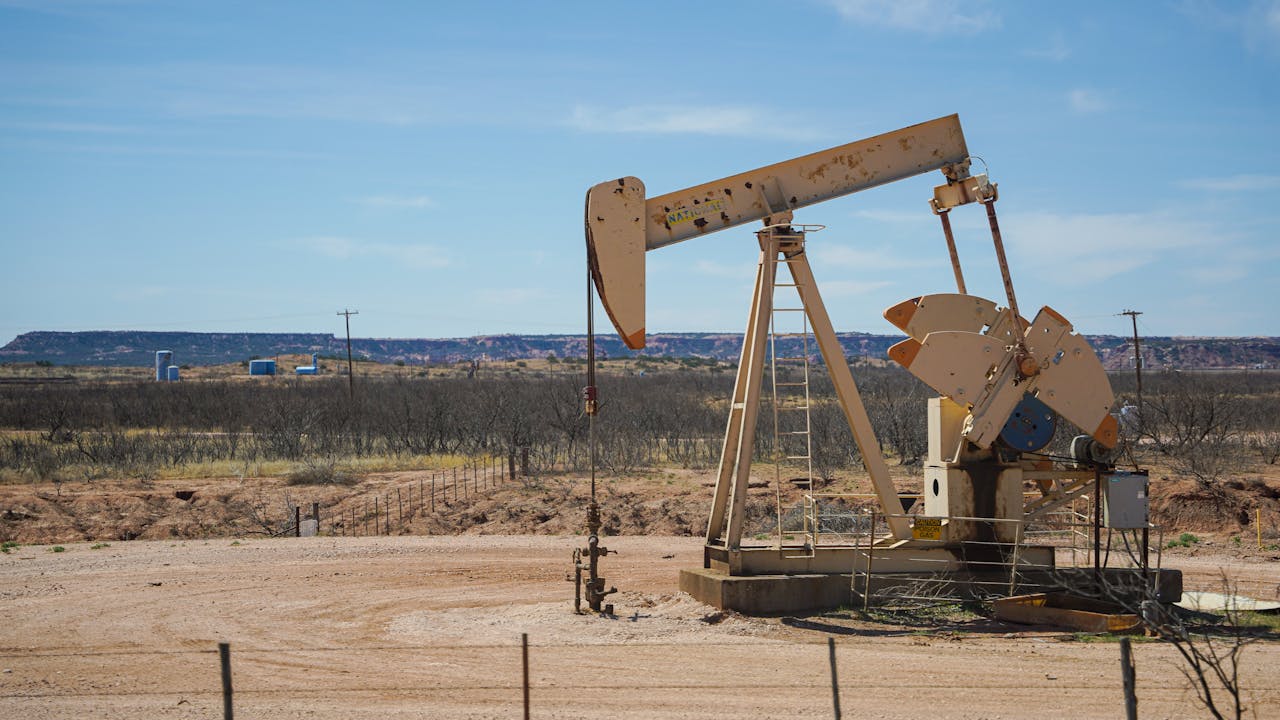
Oil prices climbed close to seven-month highs on Wednesday as escalating U.S.-Iran tensions heightened fears of potential supply disruptions in the Middle East. Despite renewed diplomatic talks scheduled for Thursday in Geneva, investors remain cautious, driving volatility in global crude markets.
Brent crude futures rose 45 cents, or 0.64%, to $71.22 per barrel, while U.S. West Texas Intermediate (WTI) crude gained 42 cents, or 0.64%, to $66.05. Brent recently touched its highest level since late July, and WTI reached its strongest point since early August. Prices have held firm as the United States strengthens its military presence in the Middle East, pressuring Iran to negotiate limits on its nuclear and ballistic missile programs.
Market participants are closely watching the geopolitical risk premium built into oil prices. Iran, the third-largest producer in the Organization of the Petroleum Exporting Countries (OPEC), plays a critical role in global crude supply. Any prolonged military conflict could disrupt oil exports not only from Iran but across the broader Middle East, a region vital to global energy markets.
U.S. envoys Steve Witkoff and Jared Kushner are expected to meet Iranian officials for a third round of negotiations. Iran’s Foreign Minister Abbas Araqchi signaled that a deal is “within reach” if diplomacy prevails. However, uncertainty remains over whether Tehran will meet Washington’s “zero enrichment” demand, as President Donald Trump has warned of severe consequences if talks fail.
Adding to tensions, reports indicate Iran and China are accelerating discussions over anti-ship cruise missile purchases, potentially increasing risks to U.S. naval forces stationed near Iranian waters.
Beyond geopolitical concerns, oil markets are also reacting to supply data. The American Petroleum Institute reported a sharp 11.43 million-barrel rise in U.S. crude inventories for the week ending February 20, signaling potential oversupply. However, gasoline and distillate stocks declined. Investors now await official data from the U.S. Energy Information Administration for further direction in the global oil market.













